Plan the delivery around your receiving system
Receiving bulk tapioca pellets goes more smoothly when the order description matches what your site can actually unload and store. Before arranging a shipment, define the quantity and unit, delivery destination, and the timing your facility can accommodate. Then describe how the product must arrive: specify the packaging or unloading method your site can receive rather than assuming a particular format is available.
These details connect the product offer to the receiving job. Your destination and timing shape the delivery plan, while the quantity and unit make the requested volume clear. Exact packaging and handling arrangements depend on the lot and supplier offer, so include those requirements when requesting a quote for [Tapioca Pellets].
Match packaging and unloading to site equipment
Describe the complete path from delivery to storage: where the vehicle or packaged product is received, how the pellets are unloaded, and which conveying equipment moves them onward. Identify relevant site constraints, such as equipment compatibility, access, and any limits on the receiving area. A packaging format that cannot be handled by your facility can delay unloading even when the ingredient itself meets the purchase requirement.
Do not treat “bulk” as a complete delivery specification. State whether your operation needs a particular packaging or unloading arrangement, and ask which arrangement is offered for the lot. Share any requirements for connections, transfer points, or receiving procedures that could affect compatibility. Confirm the actual packaging and handling details before finalizing the shipment plan.
Pellet dimensions, fines, and hardness affect handling
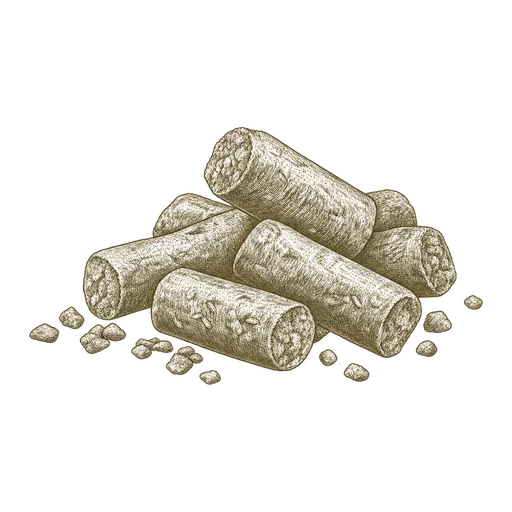
Pellet dimensions matter because they determine whether the product is compatible with your conveying and processing equipment. If your system is designed around particular pellet dimensions, state the required or acceptable dimensions and request the lot’s applicable specification. Do not assume that pellets described by the same ingredient name will necessarily match your preferred dimensions.
Fines are smaller particles produced or present alongside intact pellets. Their proportion can affect how the material behaves during transfer and how closely the received product matches a process designed for intact pellets. Hardness relates to how well pellets retain their form during handling; greater breakdown can contribute to more fines. If either characteristic matters to your receiving or use process, identify it as a quality requirement and request the offered lot information rather than relying on a general product description.
Keep dried cassava pellets dry and protected
Tapioca pellets are made from cassava, and dried pellets should be kept dry during receiving and storage. Prevent exposure to moisture, and protect the product from contamination in storage and during transfers. Keep the receiving and storage areas clean, and consider where the product will move after unloading so it is not exposed unnecessarily while waiting for its next handling step.
Plan storage around the space and equipment available at your site, and follow the handling directions supplied for the particular lot. Do not assume a shelf life or a specific allowable storage condition from the ingredient name alone; those details require lot-specific guidance. If your facility has established requirements for storing feed ingredients, state them when discussing packaging and delivery so the receiving plan accounts for them.
A practical checklist before shipment
A useful shipment request brings the product and receiving details together. Provide the quantity and unit, destination, preferred timing, required packaging or unloading method, and the equipment that will receive and convey the pellets. Add any applicable site constraints, plus the pellet dimensions, fines, and hardness requirements that matter to your operation.
Before the order is finalized, compare the lot’s available information with your stated requirements and confirm the offered packaging and handling details. This helps identify mismatches before delivery rather than at the receiving point. For product options and a shipment requirement, start with the Tapioca Pellets page and include your site’s receiving details in the request.
Common questions.
What details should I provide for a bulk tapioca pellet shipment?+
Provide the quantity and unit, destination, preferred timing, packaging or unloading method, and the receiving and conveying equipment at your site. Include any relevant site constraints and requirements for pellet dimensions, fines, or hardness.
Why do pellet dimensions, fines, and hardness matter for receiving?+
Dimensions affect compatibility with conveying and processing equipment. Fines describe smaller particles alongside intact pellets, while hardness relates to how well pellets retain their form during handling; both can matter when your process expects a particular pellet condition. Request the relevant lot information if these characteristics affect your operation.
How should dried tapioca pellets be stored after delivery?+
Keep dried cassava pellets dry and protect them from contamination during storage and handling. Follow the lot-specific handling directions; do not infer shelf life or storage limits from the ingredient name alone.