Independent sourcing. Better connections.Commercial buyers · Bulk ingredients
tag

Energy ingredients

This Energy ingredients collection currently includes Tapioca Pellets. In feed use, cassava-root pellets can contribute carbohydrate energy, but the collection label does not establish a specific product composition or make pellets interchangeable with starch, peel meal or other cassava products. Buyers should confirm what the offered pellets contain and compare lot analysis against the needs of the intended ration.

1 ingredients3 published Insights
EXPLORE THE COLLECTION

Energy ingredients ingredients

Starches/Fibers/Proteins

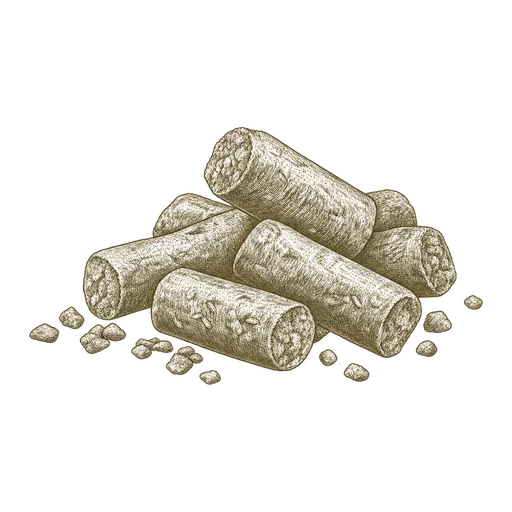
Tapioca Pellets

Tapioca pellets are a dried cassava-root feed ingredient used primarily as a carbohydrate and energy source in livestock rations. Their low protein content, variable composition and pellet-handling characteristics make ingredient identity, lot analysis and receiving equipment important parts of a bulk purchase.

Explore ingredient

What this collection covers

Energy ingredients are used primarily to supply dietary energy, but the category does not imply that products are nutritionally interchangeable or suitable for every feed. The supplied member is Tapioca Pellets. In feed use, cassava-root products contribute carbohydrate energy; they are not a complete ration or a substitute for protein ingredients.

The name alone does not confirm whether a particular pellet is made from whole cassava roots, a processing by-product or a formulation with other ingredients. Distinguish cassava-root pellets from tapioca starch, peel meal and starch-extraction pulp: their composition and uses differ.

Compare the product to its intended ration

Cassava-root products are starch-rich and generally low in protein, but composition varies with the roots and processing. Published descriptions of cassava roots are not guaranteed specifications for a commercial pellet lot. Compare offers using analysis with moisture, starch, crude protein, fibre and ash identified on an as-fed or dry-matter basis. Ask how the stated energy value was determined and whether it applies to the intended animal species.

Ration context matters. Low protein means other ingredients must supply the required protein and nutrients; in ruminant diets, rapid rumen breakdown of cassava starch also makes the balance with available nitrogen relevant. Do not assume a universal inclusion rate or use value from another cassava product as a substitute for formulation advice.

Check quality and delivery form

For a specific lot, verify ingredients, residual cyanide or HCN result and test basis, pellet condition, fines and foreign material. Confirm handling guidance and protect dried pellets from moisture and contamination. These checks help buyers compare like with like without treating the collection label as a product specification.

Common questions.

Are tapioca pellets the same as tapioca starch?+

No. Tapioca pellets for feed may be made from dried cassava roots, while tapioca starch is a distinct processed product. Confirm the offered pellet’s raw material and ingredients.

Do tapioca pellets provide protein as well as energy?+

Cassava-root feed products are used chiefly as energy sources and are generally low in protein. Check the lot analysis and account for protein and other nutrients in the overall ration.

What analysis should I request for tapioca pellets?+

Ask for moisture, starch, crude protein, fibre and ash, with each value identified as-fed or dry-matter basis. Also request the energy value’s basis and a lot-specific residual cyanide or HCN result.

Can one inclusion rate be used for every animal feed?+

No. Suitability and inclusion depend on species, the pellet’s composition and the rest of the ration. Use species-appropriate feed formulation rather than assuming a universal rate.

Energy ingredients · BUYER INSIGHTS

Go deeper before you source.

Focused guides to the specification, application, and delivery questions behind this ingredient.