Treat tapioca pellets as an energy ingredient, not a complete feed
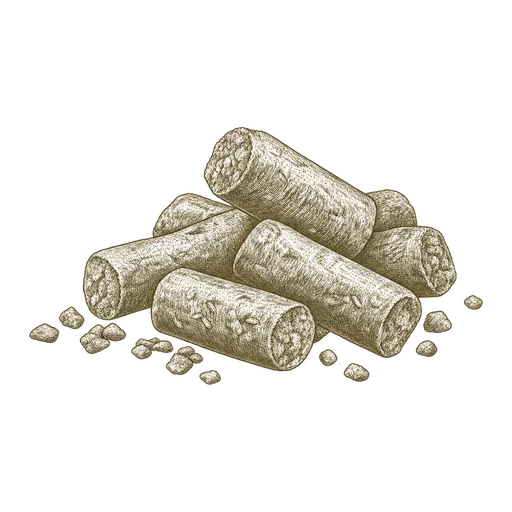
Tapioca pellets are made from cassava roots and are used in feed formulations chiefly as a carbohydrate and energy ingredient. Their starch-rich character can make them relevant when a formulator is evaluating energy sources, but the pellets are low in protein. They therefore do not replace the protein contribution of a protein meal or other ration components.
The practical question is not simply whether tapioca pellets contain energy. It is how their analyzed contribution fits the target diet for the intended species and production stage. A change in carbohydrate ingredients can alter the energy and nutrient balance of the whole ration, so the ingredient should be evaluated as one part of a complete formulation.
Balance energy against protein and the rest of the ration
Because tapioca pellets contribute little protein, adding them without adjusting other ingredients can reduce the proportion of protein in the finished mix. A formulator needs to account for the ration’s protein supply and, where relevant to the species and diet, its amino acid balance. The response is not automatically to add a fixed amount of protein meal: that decision depends on the rest of the formula and the nutritional target.
Energy, protein, fiber, fat, minerals and other nutrients interact in the finished ration. The relevant comparison is between complete formulations, not a standalone energy value detached from ingredient analysis. A nutritionist can determine whether tapioca pellets fit while maintaining the intended nutrient balance and ingredient roles.
Use species-specific formulation, not a blanket inclusion rule
Feed requirements differ by species, life stage and production purpose. A formulation approach suitable for one livestock category should not be assumed to transfer to another. The ingredient’s contribution must be assessed in the energy system and nutrient framework used for the animals receiving the feed.
For the same reason, there is no universal inclusion rate to apply across livestock diets. A qualified animal nutritionist should evaluate the proposed amount in the context of the complete formula, the intended species and the lot’s analysis. That review is especially important when the ingredient is being substituted for another energy source, since ingredients can differ in nutrient composition and how their contribution is represented in a formulation.
Let lot analysis inform the formulation
A feed formula is only as useful as the ingredient values entered into it. For tapioca pellets, lot-specific analysis gives the formulator a basis for estimating the ingredient’s contribution rather than relying on a generic assumption. The analysis should be reviewed in the context of the formulation system and the values needed for that species and feed.
Compare the reported results with the specifications used to formulate and receive the ingredient. The key is not to seek a single number in isolation: ask what each reported measure represents, whether it is reported on the same basis as the formulation inputs, and whether it is relevant to the intended feed. If the analysis does not provide the information needed for a sound calculation, the formula should not treat the missing value as known.
Formulate first, then source the right pellet offer
Before requesting a bulk quote, establish the role tapioca pellets will play in the feed, the species and diet involved, and the quality information the nutritionist needs. This makes it easier to compare an offer against the formulation rather than choosing on ingredient name alone. Pellet form is also a practical consideration for the mill’s receiving, storage and feed-manufacturing process.
Once the formulation requirements are clear, use the [Tapioca Pellets page](/ingredients/tapioca-pellets) as the sourcing route. For a useful inquiry, specify the required product form, quantity and unit, delivery destination, receiving method, timing needs and relevant analysis or quality requirements. Availability, packaging and commercial terms depend on the particular offer.
Common questions.
Are tapioca pellets a protein ingredient for livestock feed?+
No. Tapioca pellets are used chiefly as a carbohydrate and energy ingredient and are low in protein. A complete ration needs other ingredients to supply the protein and other nutrients required for the intended species.
Can one inclusion rate for tapioca pellets be used across livestock species?+
No single rate should be assumed to fit every species or diet. The appropriate amount depends on species, production stage, the rest of the formula and the analyzed lot; a qualified nutritionist should evaluate the complete ration.
What information helps a formulator evaluate tapioca pellets?+
Lot analysis relevant to the feed formulation, reported on a basis that can be compared with the formula’s ingredient inputs, is central. The formulator also needs the intended species and diet context to judge the ingredient’s contribution to the complete ration.