Independent sourcing. Better connections.Commercial buyers · Bulk ingredients
topic

Livestock nutrition

Livestock nutrition covers ingredients with distinct nutrient profiles, processing needs and product identities. This collection includes cassava-root tapioca pellets, wheat midds, white milo, thistle seed and yeast. They are not interchangeable feed classes: compare verified product details and lot analysis against the animal class, ration purpose and handling setup.

5 ingredients6 published Insights
EXPLORE THE COLLECTION

Livestock nutrition ingredients

Starches/Fibers/Proteins

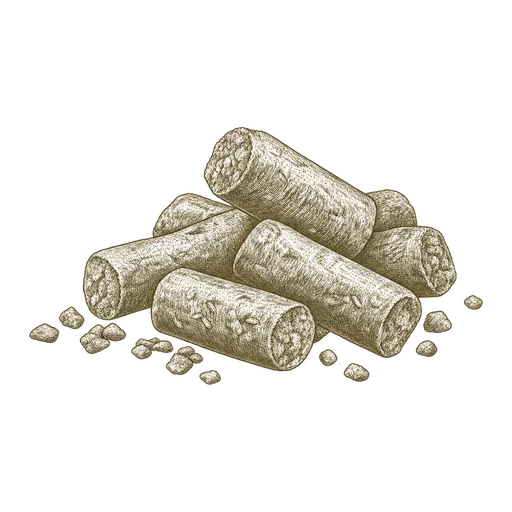
Tapioca Pellets

Tapioca pellets are a dried cassava-root feed ingredient used primarily as a carbohydrate and energy source in livestock rations. Their low protein content, variable composition and pellet-handling characteristics make ingredient identity, lot analysis and receiving equipment important parts of a bulk purchase.

Explore ingredient

Seeds, Grains & Specialty

Thistle Seed

Milk thistle (Silybum marianum) is sourced as whole or ground seed and as processed products such as press cake and meal. Identify the botanical species and form first, then compare lot analysis and receiving needs for the intended feed application.

Explore ingredient
Feed Ingredients

Wheat Midds

Wheat middlings are a variable wheat-milling co-product used in animal feed as meal or pellets. Compare the offered form and lot analysis with the target species’ ration and the facility’s storage and handling capacity.

Explore ingredient
Milo (Sorghum)

White Milo

White milo is white-class grain sorghum sold for feed and, when the lot meets end-user requirements, food processing. Compare whole and processed forms, grain condition, and the analysis and handling details your use requires.

Explore ingredient
Starches/Fibers/Proteins

Yeast

Feed yeast covers distinct whole-cell, live, culture, extract, and cell-wall products. Compare source, processing, viability, and nutrient analysis to choose the form that fits an animal-feed formulation and bulk receiving plan.

Explore ingredient

Different ingredients, different ration roles

The ingredients in this collection are not interchangeable. Tapioca pellets and white milo are starch-rich energy ingredients, but their source and processing differ: tapioca is made from cassava root, while white milo is grain sorghum with a hard endosperm that may need processing to suit the ration.

Wheat midds combine milling fractions such as bran, shorts, germ and flour. They contribute energy, protein and fiber, but their fine particles do not replace the physical fiber supplied by forage. Their composition varies with the milling stream.

Confirm product identity before comparing

“Thistle seed” does not establish botanical species or processing form. Whole seed, meal and other processed forms should not be treated as equivalent; confirm exactly what the product is before using feed-value information for a particular form.

Yeast is a broad product family that includes live yeast, cultures, spent yeast, dried yeast and separated fractions. Their composition and intended role differ, so identify the specific product rather than comparing on the name alone.

Match analysis and handling to the purchase

Compare a current lot analysis on a consistent basis, such as as-fed or dry matter, and focus on the measures relevant to the ingredient and animal class. For white milo, color alone does not establish nutrient profile or tannin level. For wheat midds, review composition and physical form; for yeast, confirm the product type and relevant measured characteristics.

Consider how the ingredient will be processed, stored and incorporated into the complete ration. Tapioca and sorghum add starch, so ration design and adaptation matter. Obtain lot-specific terms and handling details for the intended delivery and storage setup.

Common questions.

Can these five ingredients substitute directly for one another?+

No. They differ in nutrient contribution, physical form and processing. Compare them within the complete ration and for the relevant animal class.

Does white milo color confirm its feed value?+

No. Color is not a complete feed specification. Use a lot analysis and consider processing and species-specific ration needs.

Does thistle seed mean milk-thistle meal?+

Not necessarily. Confirm the botanical identity and whether the product is whole seed, meal or another processed form.

Are all yeast feed products equivalent?+

No. Live yeast, culture, spent yeast, dried yeast and yeast fractions differ in composition and intended role.

Livestock nutrition · BUYER INSIGHTS

Go deeper before you source.

Focused guides to the specification, application, and delivery questions behind this ingredient.

FIELD GUIDE01Livestock nutrition
Buyer’s guide

Planning bulk yeast feed storage and receiving

Bulk feed yeast receiving depends on the offered form. Dry inactive yeast, live dry products, liquids and extracts require product-specific packaging, unloading and storage planning—especially when a live product carries a viability guarantee.

Read this Insight
FIELD GUIDE02Livestock nutrition
Buyer’s guide

Live yeast or inactive yeast: feed formulation questions

Live and inactive yeast answer different feed-formulation needs. Compare viability for products intended to supply live cells, and product identity and nutrient composition for inactive yeast ingredients.

Read this Insight
FIELD GUIDE03Livestock nutrition
Buyer’s guide

How to compare feed yeast specifications and product identity

Feed yeast specifications are meaningful only when product identity is clear. Compare source, organism, processing, activity status, and analytical basis before using protein, viable-cell, or functional-component measures to evaluate bulk offers.

Read this Insight
FIELD GUIDE04Livestock nutrition
Buyer’s guide

White Milo Storage and Receiving: Moisture, Aeration, and Delivery Planning

Plan bulk white milo receiving around lot moisture, unloading capacity and sorghum’s higher resistance to airflow than corn. Match storage and aeration decisions to the grain’s condition and your facility.

Read this Insight
FIELD GUIDE05Livestock nutrition
Buyer’s guide

Processing White Milo for Cattle: Whole, Rolled, or Ground?

Whole, rolled, cracked and ground white milo differ in how much of the kernel is exposed and how readily cattle can access its starch. Compare forms in the context of the complete ration and feeding program.

Read this Insight
FIELD GUIDE06Livestock nutrition
Buyer's guide

White Milo Grade and Analysis: Which Measures Should Buyers Compare?

A buyer’s guide to distinguishing white milo class from grade and lot analysis, and comparing quality measures against a defined end use.

Read this Insight