Grains
Alfalfa
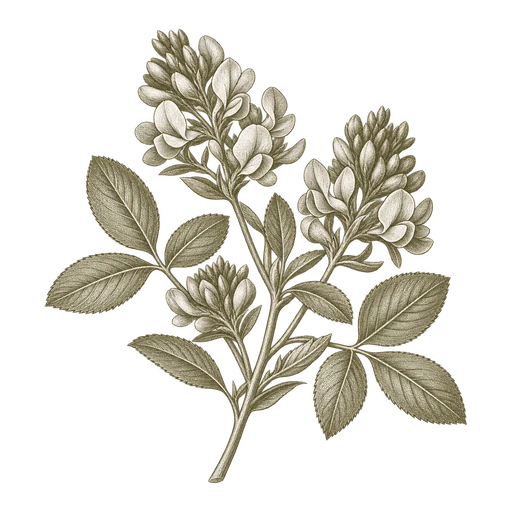
Alfalfa is a forage legume sourced as hay, silage, meal or pellets for livestock feed. Match the form to receiving and ration needs, then compare a lot-specific analysis on a consistent basis.
Explore ingredientPlan bulk sorghum (milo) receiving around the grain’s measured moisture, temperature, storage duration, condition, available capacity and the facility’s unloading setup.
Bulk sorghum (milo) receiving starts with the storage plan, not the truck arrival. Before setting a delivery window, estimate how much grain the facility can safely receive and hold, how quickly it will be used, and what the unloading system can handle. These details determine whether a proposed quantity and delivery schedule fit the operation.
Storage duration matters because grain condition changes over time. A lot intended for prompt use presents a different storage-management question from grain that will remain in a bin for an extended period. Leave room to inspect the grain, manage temperature and moisture, and keep the receiving area clear enough to unload without disrupting other operations.
There is no single moisture cutoff that answers every storage question. The moisture level appropriate for sorghum storage depends on factors including grain temperature and how long the grain will be held. Warmer grain and longer storage can raise the need for closer management, so a figure detached from those conditions can be misleading.
For planning, identify the intended storage duration and the temperature conditions expected in the bin, then compare the lot’s measured moisture with current guidance that applies to those circumstances. Ask how and when moisture was measured, and whether the result represents the lot being offered. Avoid treating a general rule of thumb as a guarantee of safe storage under different conditions.
Moisture is only one part of storage readiness. Grain condition—including cleanliness and the presence of damaged or foreign material—can affect handling and the attention a lot needs in storage. A clean, sound lot is easier to manage than one with condition concerns, but the receiving team still needs to assess the actual grain and its storage environment.
Plan capacity using usable space rather than a bin’s nameplate volume alone. Account for existing grain, the expected delivery quantity, access for inspection and the way the facility fills and empties. Once received, monitor stored grain for changes in temperature or condition; localized warming or moisture issues can require investigation before they become a larger storage problem.
Tell the supplier or broker where the sorghum is going, when the facility can receive it, and how the site unloads grain. A receiving point set up for a particular trailer or discharge arrangement may not be able to accept another without extra handling. Confirm access, unloading connections or equipment, operating hours, and any scheduling limits before a delivery is arranged.
Packaging is another part of the fit. Specify whether the facility is prepared for bulk delivery or needs a packaged format, and explain how material moves from receiving into storage. Quantity and unit matter too: they help determine whether the facility has sufficient available capacity and whether the delivery can be accepted as planned. Commercial terms and available delivery arrangements depend on the specific offer.
A useful request includes the sorghum form, total quantity and unit, destination, preferred timing, packaging or unloading method, and the storage period you expect. Include any relevant quality requirements, such as the moisture measurement or grain-condition details needed for your facility’s storage plan. These particulars help align the proposed lot and delivery with the site’s actual constraints.
Before committing, compare the offered lot’s condition and moisture information with your intended storage duration and operating conditions. Confirm that the receiving team can inspect and unload it as planned, and that storage capacity will be available when it arrives. For bulk sorghum or milo sourcing, visit the [Sorghum/Milo ingredient page](/ingredients/sorghum-milo) to explore the product and start a sourcing inquiry.
No. Storage moisture guidance depends on grain temperature and intended storage duration. Use current guidance that matches those conditions rather than applying one universal cutoff.
Provide the destination, quantity and unit, delivery timing, packaging preference, and the facility’s unloading method and constraints. These details help determine whether the proposed delivery can be received as planned.
Track grain condition and temperature in storage, and investigate changes such as localized warming or moisture concerns. The storage plan should reflect the lot’s measured moisture, expected holding time and facility conditions.
Focused guides to the specification, application, and delivery questions behind this ingredient.
Whole, rolled and ground sorghum differ in how much the kernel is disrupted and how grain moves through a cattle-feeding operation. Compare the form with the ration, processing equipment and handling needs rather than assuming one option fits every diet.
Read this InsightSorghum grade describes physical lot characteristics under a grading system; feed analysis, tannin results and mycotoxin tests answer separate questions. Compare each against the requirements of the intended purchase.
Read this InsightAlfalfa is a forage legume sourced as hay, silage, meal or pellets for livestock feed. Match the form to receiving and ration needs, then compare a lot-specific analysis on a consistent basis.
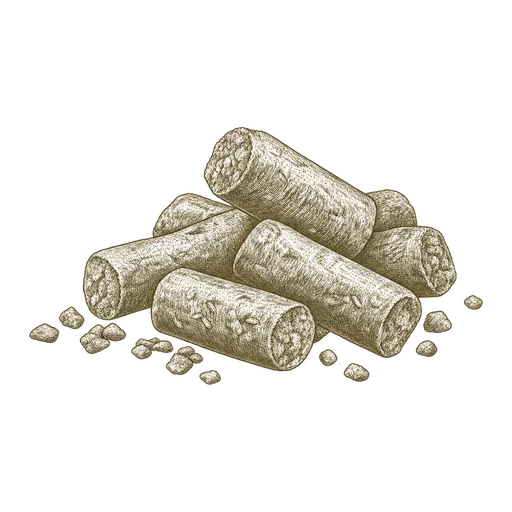
Explore ingredientAlfalfa meal is ground forage used in animal feed, with sun-cured and dehydrated processing routes and meal or pellet forms. Compare the offered process, physical form and analysis against the needs of the species and feed formulation.
Explore ingredientAlfalfa pellets are ground, compressed forage used in livestock feeding and compound feeds. Compare the drying process, alfalfa material, forage analysis and pellet characteristics to choose a form that fits your ration and receiving setup.
Explore ingredientAlmond hulls are the dried outer layer of the almond fruit, sourced for ruminant feed as hull-only material or as a hull-and-shell mixture. Compare the lot’s composition, physical form, and handling needs before arranging a bulk shipment.
Explore ingredient