Grains
Alfalfa
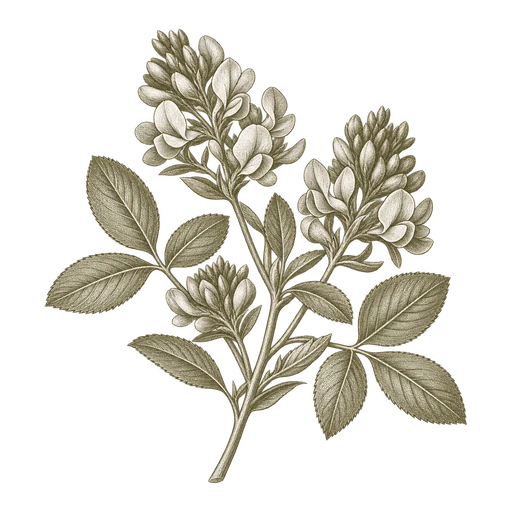
Alfalfa is a forage legume sourced as hay, silage, meal or pellets for livestock feed. Match the form to receiving and ration needs, then compare a lot-specific analysis on a consistent basis.
Explore ingredientWhole, rolled and ground sorghum differ in how much the kernel is disrupted and how grain moves through a cattle-feeding operation. Compare the form with the ration, processing equipment and handling needs rather than assuming one option fits every diet.
Whole, rolled and ground sorghum are the same grain presented in different physical forms. Processing changes how much the kernel is disrupted, the particle size entering the ration and how the grain moves through storage, conveying and mixing equipment. Those differences can affect feeding value, but the result depends on the cattle, the full diet and the processing method—not simply on choosing the finest grind.
Sorghum kernels have an outer covering and a compact internal structure that can limit access to the grain’s starch. Rolling or grinding breaks that structure to varying degrees. More disruption can make grain components more accessible, while also changing how the material handles and mixes. The useful question for a cattle buyer is therefore not just whether grain is processed, but whether its form suits the ration and the operation.
Whole sorghum retains the kernel’s original structure and has no added processing step between grain delivery and feeding. It avoids the need for on-site rolling or grinding and is generally easier to distinguish and handle as intact grain than as fine particles. The tradeoff is that the kernel remains less disrupted, so cattle must break it down through chewing and digestion.
How well that works depends on the animals and the rest of the ration. Whole grain should not be assumed to deliver the same feeding value as processed sorghum in every cattle program. Buyers comparing whole grain with processed options should have their nutritionist assess the proposed form in the context of the complete diet and feeding system.
Rolling compresses and cracks kernels, disrupting their structure without reducing them to a uniformly fine meal. Rolled sorghum can be a middle ground for operations that want grain opened up but prefer a coarser material than ground sorghum. Its appearance and particle distribution depend on the roller setup and how the grain is processed.
For ration handling, the key consideration is consistency: a lot with a mix of intact kernels, large pieces and fines may behave differently from a more uniform roll in blending and delivery to animals. Specify what form the feeding equipment can handle and what degree of kernel breakage the ration plan calls for. Avoid treating “rolled” as a precise particle-size guarantee unless the supplier’s specification defines it.
Grinding reduces sorghum to smaller particles, increasing the exposed surface and disrupting more of the kernel than whole grain does. That may help make grain components more accessible, but a finer form also behaves differently during conveying and mixing. Particle size affects how the material flows, how it combines with other ration ingredients and whether it suits the equipment used at the feed site.
“Ground” alone does not describe a single uniform product. The resulting particle size depends on the mill and its settings, so buyers should not assume that ground sorghum from different sources will handle or perform identically. If a ration depends on a particular grind, request a clear description or specification for that characteristic and have the nutritionist assess whether it matches the formulation.
Compare forms against three practical questions: how much kernel disruption the ration requires, what particle form the mixing and feeding equipment can manage, and what processing the operation can perform after receiving grain. Whole sorghum minimizes processing before delivery; rolled grain arrives cracked; ground grain arrives at a smaller particle size. Each choice shifts where processing happens and how the grain enters the feed workflow.
Do not rely on a universal inclusion rate or a numerical feeding comparison to settle the choice. Any such comparison needs to match the sorghum form, processing conditions, cattle and ration being considered. Have a qualified nutritionist review the full diet before changing grain form or adjusting the ration. When ready to compare bulk forms, visit the Sorghum/Milo page and specify whether the request is for whole, rolled or ground grain.
Not automatically. The forms differ in kernel disruption and particle size, which can affect feeding value and ration handling. Have a nutritionist evaluate the grain form within the complete diet before substituting one for another.
No single result applies to every ration or cattle program. Grinding disrupts the kernel and can affect access to grain components, but the outcome depends on processing and feeding conditions. Numerical comparisons should be verified for the specific situation.
Name the form and, when it matters to your process, describe the desired particle characteristics. Also provide the quantity and unit, destination, timing and receiving method so the request reflects how your operation will handle the grain.
Focused guides to the specification, application, and delivery questions behind this ingredient.
Plan bulk sorghum (milo) receiving around the grain’s measured moisture, temperature, storage duration, condition, available capacity and the facility’s unloading setup.
Read this InsightSorghum grade describes physical lot characteristics under a grading system; feed analysis, tannin results and mycotoxin tests answer separate questions. Compare each against the requirements of the intended purchase.
Read this InsightAlfalfa is a forage legume sourced as hay, silage, meal or pellets for livestock feed. Match the form to receiving and ration needs, then compare a lot-specific analysis on a consistent basis.
Explore ingredientAlfalfa meal is ground forage used in animal feed, with sun-cured and dehydrated processing routes and meal or pellet forms. Compare the offered process, physical form and analysis against the needs of the species and feed formulation.
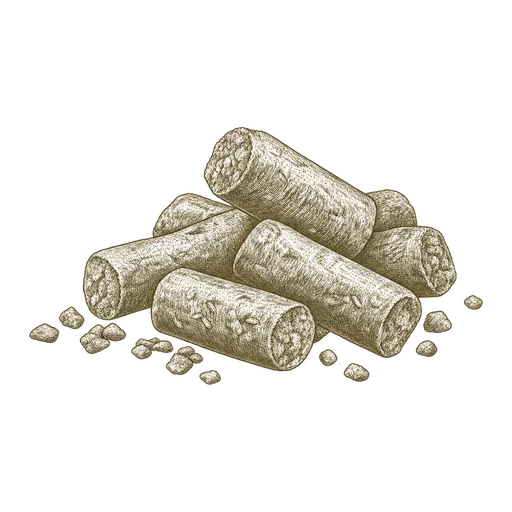
Explore ingredientAlfalfa pellets are ground, compressed forage used in livestock feeding and compound feeds. Compare the drying process, alfalfa material, forage analysis and pellet characteristics to choose a form that fits your ration and receiving setup.
Explore ingredientAlmond hulls are the dried outer layer of the almond fruit, sourced for ruminant feed as hull-only material or as a hull-and-shell mixture. Compare the lot’s composition, physical form, and handling needs before arranging a bulk shipment.
Explore ingredient