Grains
Alfalfa
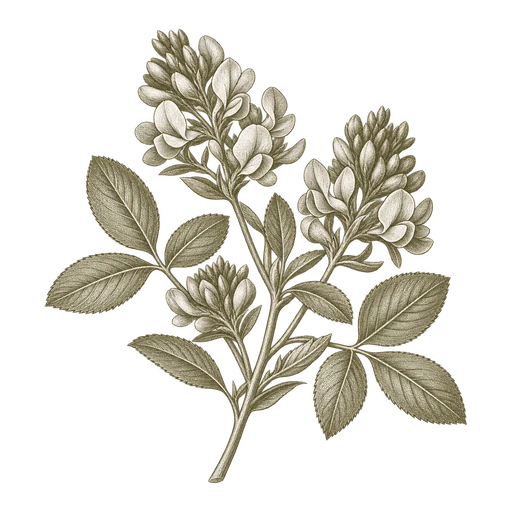
Alfalfa is a forage legume sourced as hay, silage, meal or pellets for livestock feed. Match the form to receiving and ration needs, then compare a lot-specific analysis on a consistent basis.
Explore ingredientSorghum grade describes physical lot characteristics under a grading system; feed analysis, tannin results and mycotoxin tests answer separate questions. Compare each against the requirements of the intended purchase.
When comparing sorghum (milo) offers, separate three questions: what kind of grain is it, what condition is the lot in, and what does its analysis indicate about its use in a ration? Grain class identifies a recognized type or market category. Grade summarizes physical quality under a particular grading system. Feed analysis measures composition or specific constituents relevant to formulation.
These descriptions are related, but none substitutes for the others. A class or grade can help identify and compare grain lots, but it does not provide a complete nutrient profile, establish tannin content, or show whether a lot has been tested for mycotoxins. For a purchase tied to a particular feed program, request the measures that address each question.
Test weight is a measure of grain bulk density: the weight occupying a defined volume. It helps describe the physical lot and may be part of grading, but it is not a direct measurement of energy, protein, or feeding value. Two lots with similar test weight can still differ in nutrient composition or other quality attributes.
Moisture matters because it affects storage and handling decisions. Grain received or stored with more moisture can require closer attention to conditions that promote deterioration. Moisture is not a nutrient measure, and a grade result should not be treated as a storage plan.
Damaged kernels, broken kernels and foreign material describe different physical conditions. Damage can indicate kernels affected by factors such as heat, weather or other deterioration; broken kernels are fractured grain; foreign material is material other than sound sorghum kernels. Their presence can affect cleanliness, handling, storage and the amount of usable grain in a lot. The definitions and treatment of these factors depend on the applicable grading rules.
Feed-quality analysis addresses composition. Depending on the intended comparison, a buyer or nutritionist may need measures such as moisture, crude protein, fiber, fat, ash and calculated energy values. Compare results on the same basis—such as as-fed or dry matter—because moisture changes the apparent concentration of nutrients. Also check which analytical methods or calculations are used when comparing results from different reports.
Tannin results are a separate consideration. Sorghum varieties can differ in tannin characteristics, so a grain class or physical grade alone should not be read as a tannin result. If tannin content matters to the intended formulation, request a specific result and clarify how it was measured.
Mycotoxin testing is separate again. A conventional grade or nutrient panel does not establish whether a lot was tested for a particular mycotoxin or what the result was. Specify which analytes are relevant to the purchase and review the lot-specific results; a general statement that grain was analyzed is not a substitute for the test details.
Grade names, factor definitions and acceptance thresholds depend on the grading system and the transaction. Verify any threshold against the current standard that applies to the shipment and make sure the contract or specification identifies that standard. Do not rely on a remembered limit or assume that a grade label has identical meaning in every market.
Even when a lot meets a grade, the grade is not a complete feed specification. It does not, by itself, establish the nutrient values, tannin result, mycotoxin status or suitability for a particular ration. Conversely, a feed analysis may describe composition without replacing the physical condition and identity information provided by grading.
For a useful comparison, align the grain identity and grading basis first, then review physical factors such as test weight, moisture, damaged kernels, broken kernels and foreign material. Add the nutrient measures needed for formulation, with the reporting basis stated, and request separate tannin or mycotoxin results where those are relevant. This makes it easier to distinguish a lot that is physically acceptable from one that also meets a specific feed-program requirement.
For bulk sorghum/milo sourcing, state the required class or grade system and the analyses that matter rather than relying on a general label such as feed grade. Review the sorghum/milo ingredient page to connect those quality questions with the grain forms and sourcing details relevant to your purchase.
No. Grade describes physical quality under an applicable grading system; it does not provide a complete nutrient profile. Use feed analysis for composition and compare results on the same reporting basis.
Do not assume so. Tannin results and mycotoxin tests are separate from grade factors unless they are explicitly included in the documents for the lot. Identify the specific result or analyte required.
Compare the same measures, analytical or grading basis, and reporting units. Check whether nutrient values are reported as-fed or on a dry-matter basis, and verify grade definitions and thresholds against the standard applicable to the transaction.
Focused guides to the specification, application, and delivery questions behind this ingredient.
Plan bulk sorghum (milo) receiving around the grain’s measured moisture, temperature, storage duration, condition, available capacity and the facility’s unloading setup.
Read this InsightWhole, rolled and ground sorghum differ in how much the kernel is disrupted and how grain moves through a cattle-feeding operation. Compare the form with the ration, processing equipment and handling needs rather than assuming one option fits every diet.
Read this InsightAlfalfa is a forage legume sourced as hay, silage, meal or pellets for livestock feed. Match the form to receiving and ration needs, then compare a lot-specific analysis on a consistent basis.
Explore ingredientAlfalfa meal is ground forage used in animal feed, with sun-cured and dehydrated processing routes and meal or pellet forms. Compare the offered process, physical form and analysis against the needs of the species and feed formulation.
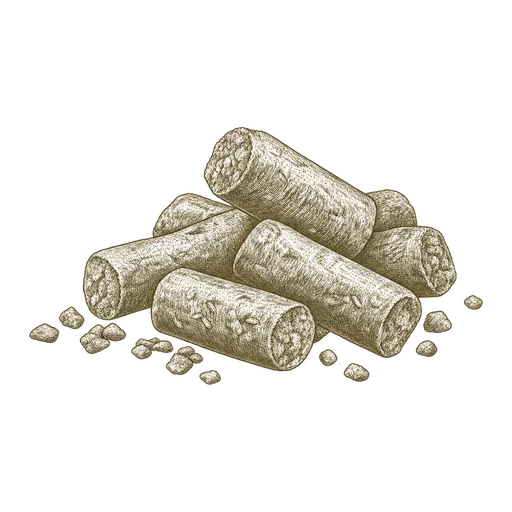
Explore ingredientAlfalfa pellets are ground, compressed forage used in livestock feeding and compound feeds. Compare the drying process, alfalfa material, forage analysis and pellet characteristics to choose a form that fits your ration and receiving setup.
Explore ingredientAlmond hulls are the dried outer layer of the almond fruit, sourced for ruminant feed as hull-only material or as a hull-and-shell mixture. Compare the lot’s composition, physical form, and handling needs before arranging a bulk shipment.
Explore ingredient