Cracked Corn
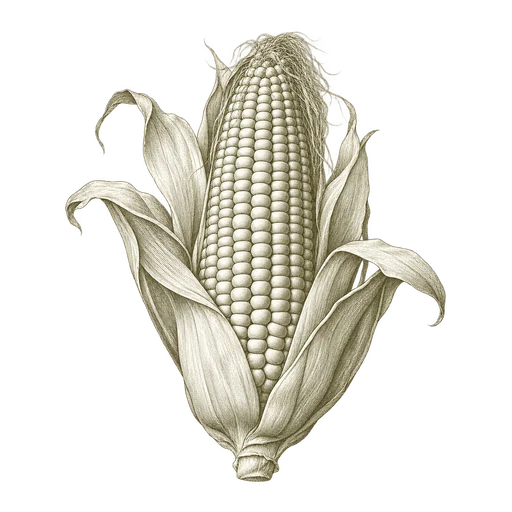
Cracked corn is mechanically broken corn grain used as an energy ingredient in livestock feed. Compare particle size, fines and lot analysis with the ration and receiving system before arranging a bulk order.
Explore ingredientBulk feed handling depends on what the ingredient is and how it is processed. This collection includes grains, oilseed meals, peanut hulls and pellets, and pears. Compare each lot’s form and analysis with the ration and receiving equipment; ingredient names alone do not establish composition, flow or intended use.
Cracked corn is mechanically broken corn grain used as an energy ingredient in livestock feed. Compare particle size, fines and lot analysis with the ration and receiving system before arranging a bulk order.
Explore ingredientPeanut hull pellets are a processed peanut-shell by-product used as high-fiber roughage in beef cattle rations. Compare lot analysis and pellet characteristics, since processing changes effective fiber and the right role depends on the complete ration.
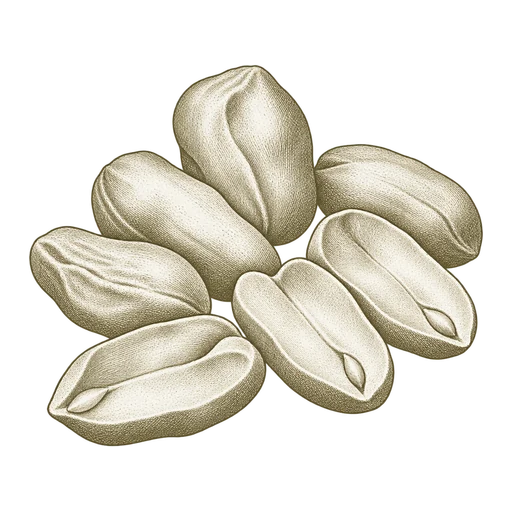
Explore ingredientPeanut hulls are bulky, fiber-rich peanut shells used in some cattle roughage and concentrate formulations. Compare whole versus processed form and review the offered lot’s analysis, intended use and receiving requirements before arranging a bulk order.
Explore ingredientPeanut meal is a ground, oil-removed peanut ingredient used as a protein source in livestock feed. Extraction method and hull content affect its analysis, so compare lot-specific composition and aflatoxin information before matching a bulk offer to a feed formulation.
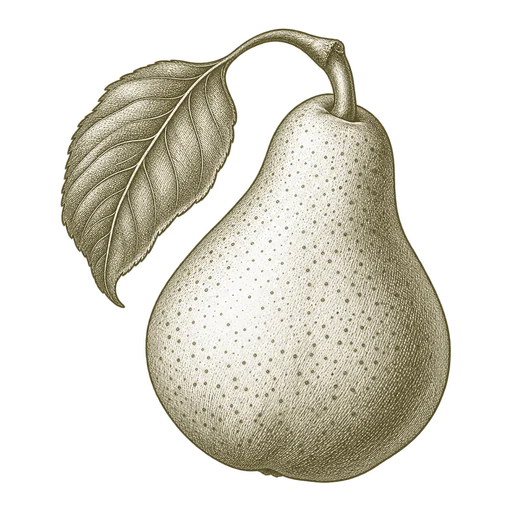
Explore ingredientPears are sourced as whole fresh fruit and as distinct processing products such as pulp, pomace and silage. Identify the form and intended use first: fresh-fruit maturity and handling requirements differ from feed-by-product analysis, receiving and storage needs.
Explore ingredientSorghum, also called milo, is a cereal grain used in livestock diets and some human foods. Compare whole, rolled or ground forms, physical grade measures and use-specific analysis to match the grain to your receiving system and formulation.
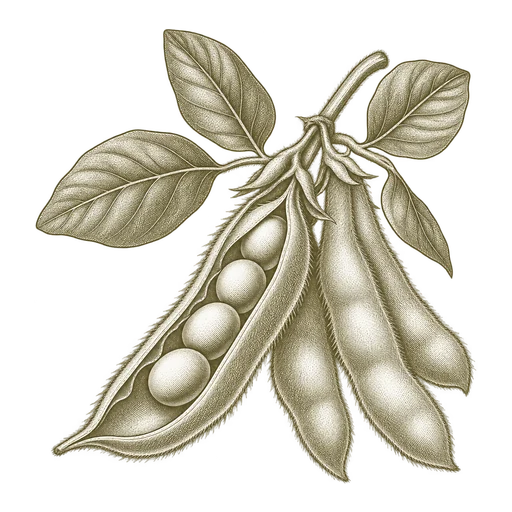
Explore ingredientA plant protein ingredient for commercial feed programs.
Explore ingredientSunflower meal is a sunflower-seed oil-extraction residue used as a protein ingredient in animal feed. Compare dehulling, extraction method, physical form and lot analysis to determine how a bulk offer fits your feed formulation and receiving setup.
Explore ingredientThis collection spans grain, oilseed meals, peanut-processing by-products and pears. Cracked corn and sorghum/milo are grain ingredients, while soybean, peanut and sunflower meals are oil-extraction products. Peanut hulls and peanut hull pellets are fibrous by-products; pellets can be easier to transport and handle, but pellet form alone does not establish feeding value. Pears need a clearly defined form and intended use before buyers can evaluate them.
These products are not interchangeable. Select by the role in the ration, species and life stage, then check that the product form suits both the formulation and the receiving system.
Particle size and processing matter for grains: cracked corn is not fully described by its name, and sorghum’s variety and processing form can affect how it is used. Peanut hulls can be bulky and flow poorly; pelleting changes handling characteristics, but does not guarantee compatibility with a particular auger, bin or conveyor. Confirm form, flowability and receiving requirements before arranging bulk delivery.
For grains and meals, review a current lot analysis and compare moisture, protein, fiber, residual oil or particle size where relevant. Check whether values are reported as-fed or on a dry-matter basis. Meal composition varies with extraction and dehulling, so confirm those details rather than treating soybean, peanut and sunflower meals as equivalent. For peanut meal, include a lot-specific aflatoxin question. Storage plans should also reflect the material’s moisture and form.
Not automatically. Grain, meals and peanut hulls differ in particle form and flow; confirm receiving-system compatibility for the specific product.
Compare lot analyses on the same basis, including relevant protein, fiber, moisture and residual oil values. Also confirm extraction and dehulling details.
No. Pelleting changes physical form and can ease transport, but does not establish nutrient content or suitability for a ration.
Specify the product form and intended feed use. The name alone does not identify whether the material is whole, processed or a by-product.
Focused guides to the specification, application, and delivery questions behind this ingredient.
Plan bulk cracked corn receiving around the particle profile your equipment can handle, then protect the ingredient with clean, dry, pest-conscious storage.
Read this InsightPlan bulk sunflower meal receipt around the offered form, the facility’s unloading and conveying equipment, and a clean, dry storage destination. Include the delivery location and receiving constraints in your sourcing request.
Read this InsightA practical guide to evaluating sunflower meal for poultry and swine formulations, with attention to fiber, lysine, processing and lot-specific analysis.
Read this InsightCompare sunflower meal lots by reading protein, fiber, residual oil and moisture together. Hull content and as-fed versus dry-matter reporting can change how those results should be interpreted.
Read this InsightA practical pre-shipment guide to coordinating bulk soybean meal delivery, receiving equipment, lot paperwork, sampling and dry, clean storage.
Read this InsightA dairy ration decision starts with the complete diet: forage, animal group, other protein sources, and the nutritionist’s nutrient and amino-acid targets. This checklist explains how to evaluate soybean meal’s role and what offer details to discuss before sourcing.
Read this Insight