Grains
Alfalfa
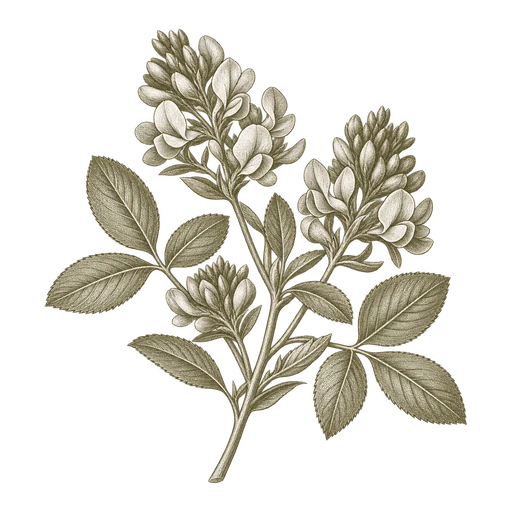
Alfalfa is a forage legume sourced as hay, silage, meal or pellets for livestock feed. Match the form to receiving and ration needs, then compare a lot-specific analysis on a consistent basis.
Explore ingredientCompare quinoa offers by first matching the product form, then evaluating moisture, particle size, foreign material, protein reporting basis and any relevant saponin-processing or test information.
Before comparing analysis sheets, make sure the offers describe the same quinoa product. Whole grain is intact seed; broken grain consists of seed fragments. Flour is milled to a smaller particle size, while bran is a distinct milling fraction rather than another name for flour or broken grain. These forms differ in appearance, particle size and how they can be incorporated into a process.
The distinctions matter because a measurement useful for whole grain may not describe flour consistently. For example, a screen-size description of intact or broken grain is not interchangeable with a flour particle-size specification. Ask what the size measure represents and how it is determined. If a specification uses a named sieve or particle-size method, compare offers only when the method and reporting basis align.
State the intended form precisely in the request for a quote. A product described simply as quinoa could mean a form that does not suit the receiving, milling or formulation process.
Moisture describes the water present in the product. It is a distinct quality and handling measure, not a substitute for a broader description of cleanliness or composition. For dry whole grain, it can inform comparisons of lots and storage planning; for flour, the same measure still describes moisture but does not tell you whether the powder has the particle size your process requires.
Foreign material concerns material other than the quinoa product being sold, such as unwanted field or processing material. The specification should make clear what counts as foreign material and how the result is expressed. A low moisture result does not establish that a lot is free of foreign material, and a cleanliness measure does not describe moisture.
Protein is a composition measure, and its reporting basis affects comparisons. A value reported as received includes the sample’s moisture in the overall weight; a dry-matter value expresses protein relative to the material after accounting for moisture. These figures cannot be compared directly without the basis. Check that the method and basis are stated, especially when comparing offers with different moisture results.
Quinoa seeds have a saponin-containing outer coating. Washing and mechanical abrasion are processing approaches used to remove or reduce that coating. The processing description helps explain how a product was treated, but it does not by itself state how much saponin remains in a particular lot.
If residual saponin matters to your product or process, distinguish the claim about processing from a measured result. A buyer may need to know whether an offer is described as washed, abraded or otherwise processed, and whether a test result is available for the offered lot. Any stated threshold should be tied to a defined method and agreed product requirement; there is no single value that can be assumed to suit every use.
Do not infer that whole grain, flour, bran and broken grain share the same saponin result simply because they come from quinoa. Product form and processing description identify different attributes, so the specification needs to say what product was tested.
A useful comparison records product form, moisture, particle size where relevant, foreign-material definition and result, and protein with its reporting basis. Add the saponin processing description or measured result when it matters to the application. Keep the test method, units and sample or lot reference with each reported value so that differences in reporting are not mistaken for differences in product.
For flour, define the particle-size requirement in terms your process can use; for whole or broken grain, identify the grading or screening measure that matters. For every form, separate compositional results from physical attributes and processing claims. If a document does not state the basis or method, that is a gap to resolve before treating the figure as comparable—not a reason to assume the same convention as another offer.
Once the form and required measures are clear, use the quinoa ingredient page to explore sourcing. For a quote, provide the intended form, quantity and unit, delivery destination, receiving arrangement, and the quality measures that are essential to your use. Exact lot values, methods and commercial terms depend on the offer.
Only when the reporting basis, units and analytical method are comparable. A value reported as received includes the product’s moisture in the weight basis, while a dry-matter value accounts for moisture. Check the stated basis before deciding that one lot has more protein.
No. Washing describes a processing approach, not a measured result for a specific lot. If residual saponin matters to your use, request the relevant lot result and its test method, and compare it with a requirement defined for your application.
Particle size is often central because it describes the flour’s fineness, but it does not replace moisture, foreign-material or composition measures. State the particle-size method or other process-relevant requirement clearly, then compare results reported on a consistent basis.
Focused guides to the specification, application, and delivery questions behind this ingredient.
Plan bulk quinoa receiving by matching the product form and offered packaging to your facility’s unloading equipment, storage capacity and dry, pest-protected storage conditions.
Read this InsightQuinoa flour and whole quinoa play different roles in bakery recipes. Understand how milling, particle size, processing status and gluten structure shape the formulation questions to resolve before sourcing in bulk.
Read this InsightAlfalfa is a forage legume sourced as hay, silage, meal or pellets for livestock feed. Match the form to receiving and ration needs, then compare a lot-specific analysis on a consistent basis.
Explore ingredientAmaranth can be sourced as grain, leaf meal or whole-plant forage, and those forms are not interchangeable in feed formulation. Specify the plant material, species and processing method, then compare lot analysis suited to the intended animal and use.
Explore ingredientBarley is a cereal grain used in cattle feed, malting, food and industrial processing. Whole and processed forms serve different needs; identify the intended use, processing state and receiving requirements when sourcing a bulk order.
Explore ingredientBrewers rice is a broken-rice milling fraction used in brewing, fermented products and animal feed. Compare broken, granulated or ground forms and review lot-specific physical and analytical details before sourcing in bulk.
Explore ingredient