Dried Fruits
Plums
Plums are sourced fresh or as dried whole fruit, pieces and puree for food uses. Choose the form around the recipe and production process, then compare the quality measures that apply to that specific product.
Explore ingredientA practical overview of bulk food procurement for plums and quinoa, emphasizing product form, fit-for-purpose specifications and comparable offer details.
Plums are sourced fresh or as dried whole fruit, pieces and puree for food uses. Choose the form around the recipe and production process, then compare the quality measures that apply to that specific product.
Explore ingredientQuinoa is a grain-like pseudocereal seed sold in distinct forms such as whole grain and flour. Compare form, processing and relevant quality measures to match the product to a food or feed application and plan receiving and storage.
Explore ingredientBulk food procurement starts with a clear definition of the ingredient being purchased. This collection brings together plums and quinoa, two foods whose names alone do not fully specify their commercial form. Plums may be fresh, dried whole, or processed; quinoa may be whole seed, washed or pearled seed, or flour. Those differences affect which quality criteria, handling details and documentation matter.
Use the ingredient cards to explore each member, then define the form and intended food application before comparing offers. Collection membership identifies related ingredients, not current availability or a guarantee of supply.
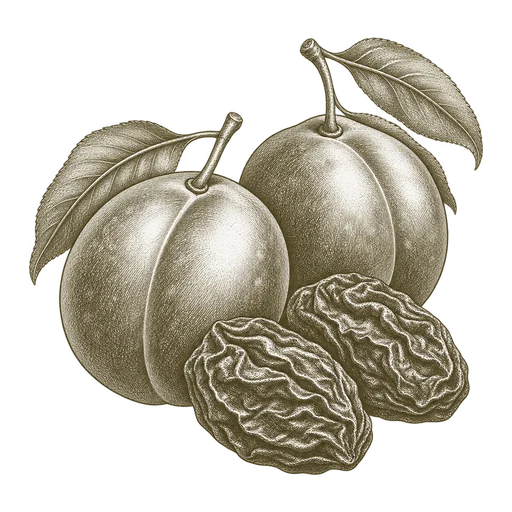
For plums, distinguish fresh fruit from dried plums, often called prunes, and state whether a processed form is acceptable. Fresh-fruit requirements can focus on maturity, condition and defects; dried-fruit requirements may address size, moisture and defects. A grade or product name is not a complete specification, so identify the acceptance criteria that matter to your use.
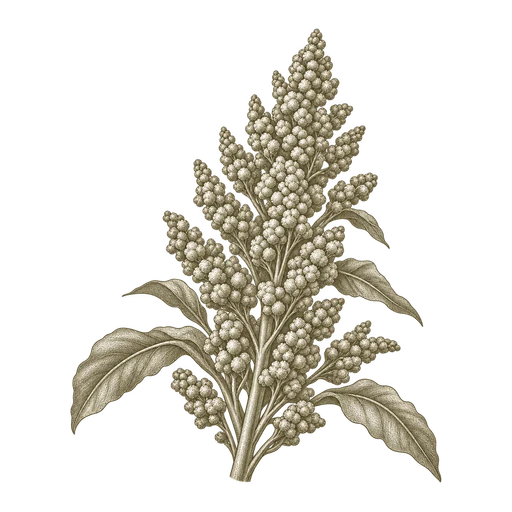
Quinoa is an edible seed used as a grain-like food ingredient. Washing or pearling can reduce saponins associated with bitterness, while milling produces a different ingredient form. If taste, processing performance or a particular form matters, define it explicitly rather than treating “quinoa” or “washed” as a complete quality description.
Compare offers only after the product forms and acceptance criteria align. Confirm packaging format and net weight, lot identification, storage conditions, shelf-life basis and available product documentation. For quinoa, ask how washing or pearling is defined and what supporting quality information is available. For plums, clarify fresh versus dried, whole versus processed, and any relevant moisture or defect requirements. These checks make differences between offers easier to interpret without treating unlike products as equivalent.
Not without clarification. Specify fresh plums or dried plums (prunes), and identify any further processing or form requirements.
No. Washing is used to reduce saponins associated with bitterness, but the term alone does not define a specific outcome. Ask how the product is processed and what quality criteria apply.
First match the product form—fresh, dried or processed—then compare the applicable size, moisture, defect and packaging requirements.
Specify whether you need whole seed, washed or pearled seed, flour, or another processed form. Their descriptions and intended uses are not interchangeable.
Focused guides to the specification, application, and delivery questions behind this ingredient.
Plan bulk quinoa receiving by matching the product form and offered packaging to your facility’s unloading equipment, storage capacity and dry, pest-protected storage conditions.
Read this InsightQuinoa flour and whole quinoa play different roles in bakery recipes. Understand how milling, particle size, processing status and gluten structure shape the formulation questions to resolve before sourcing in bulk.
Read this InsightCompare quinoa offers by first matching the product form, then evaluating moisture, particle size, foreign material, protein reporting basis and any relevant saponin-processing or test information.
Read this InsightPlan bulk plum receiving around the exact product form, quantity, packaging, unloading method and destination. Storage instructions should match the plums’ moisture, packaging and preservation treatment.
Read this InsightCompare plum puree and pieces by their role in a recipe, the preparation and process each requires, and the specifications food manufacturers should define before sourcing.
Read this InsightA practical guide to comparing bulk dried plum specifications by form, grade, size, moisture basis, defects, pit fragments and treatment.
Read this Insight