Grains
Alfalfa
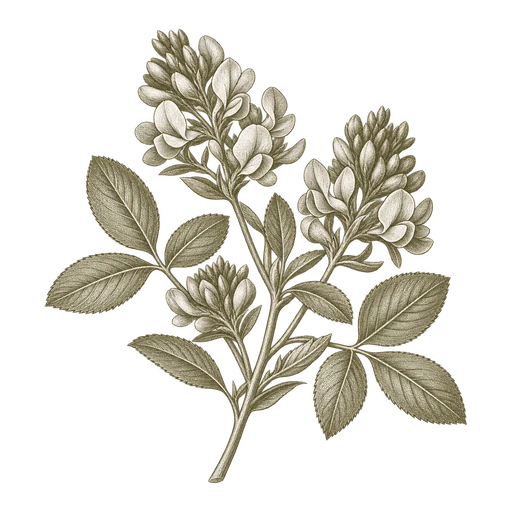
Alfalfa is a forage legume sourced as hay, silage, meal or pellets for livestock feed. Match the form to receiving and ration needs, then compare a lot-specific analysis on a consistent basis.
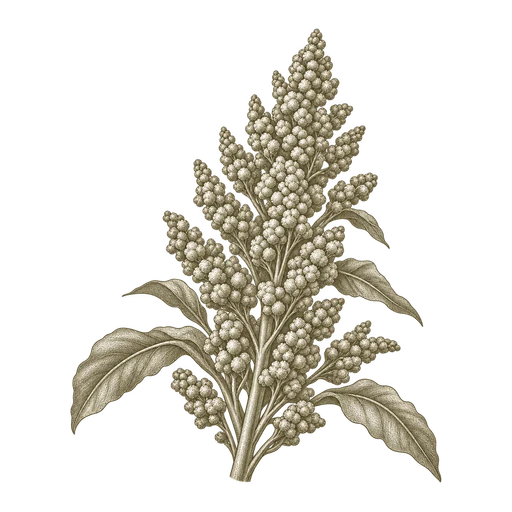
Explore ingredientPlan bulk quinoa receiving by matching the product form and offered packaging to your facility’s unloading equipment, storage capacity and dry, pest-protected storage conditions.
Bulk quinoa receiving starts with identifying the form on the order. Whole quinoa seed and quinoa flour behave differently in a facility: seed is handled as a granular ingredient, while flour is a finer powder that typically calls for more attention to contained transfer and dust. The form affects how material moves from the delivery point to storage and then into production.
Do not plan equipment or labor around the word “quinoa” alone. Match the quoted description to the ingredient your process can use, and distinguish whole seed from flour or any other offered form. If the order will be divided among storage locations, make sure the receiving team knows which material goes to each destination.
Packaging determines how quinoa can be moved off the delivery vehicle and into the facility. Bags require a receiving plan for handling individual units and transferring product into its next storage or production stage. A silo or other bulk receiving setup requires a compatible discharge arrangement and available capacity. These options are not interchangeable simply because they contain the same ingredient.
Before scheduling receipt, compare the offered packaging and discharge method with the equipment at the delivery site. Confirm whether the facility can unload the specific format, where the product will be staged, and whether storage is ready to receive the full quantity. Also account for access, staffing and any site rules that affect how a delivery can be handled. The packaging and handling details for a particular order need to be confirmed with the broker.
For ambient storage, plan to keep quinoa in bags or silos under dry, pest-protected conditions. A dry storage area helps prevent exposure to moisture, while pest protection reduces the chance of infestation during storage. Keep the receiving and storage areas clean, and avoid placing product where it can be exposed to water or pests.
This general storage guidance does not establish a quinoa-specific moisture target or a shelf life. Do not use it as a substitute for a product specification or a time limit. If your facility needs a particular moisture requirement or a defined storage period for inventory planning, obtain that information for the product being offered and align it with your own quality and stock-rotation procedures.
A workable receiving plan connects the purchase order to the physical route through the facility: delivery point, unloading equipment, staging area and final storage location. Check that the form and packaging in the order match the plan, and that the destination has room for the expected quantity. If different teams handle purchasing, receiving and quality, give each the same product description and packaging details.
Timing matters because a shipment arriving before unloading staff, equipment or storage capacity is available can create avoidable delays and handling pressure. When arranging the order, provide the destination and the receiving windows your site can accommodate. Any delivery timing, shipment method and commercial terms depend on the particular offer; they should be established when the order is arranged rather than assumed.
Before committing to a bulk quinoa order, align five details: the product form, the quantity and unit, the packaging, the destination’s unloading method, and the storage location. Add any quality requirements your process depends on, including a requested moisture specification if applicable. This gives the purchasing team a clearer basis for comparing offers and gives operations the information needed to prepare the site.
Once an offer is under consideration, check that the actual packaging and handling arrangement suit your receiving equipment and storage capacity. Do not assume a bag, silo or other format is available until it is specified for that offer. To source the form that fits your facility, visit the [Quinoa ingredient page](/ingredients/quinoa) and include your receiving requirements when requesting an introduction.
Plan ambient storage in bags or silos under dry, pest-protected conditions. This general guidance does not set a quinoa-specific moisture target or shelf life, so obtain those details if your operation requires them.
Match the product form and offered packaging to your unloading equipment, staffing and available storage. Confirm the delivery destination and timing as part of arranging the order.
That depends on the packaging offered and the equipment available at your site. Bags and silo delivery require different receiving arrangements, so confirm the actual format and unloading method before planning the receipt.
Focused guides to the specification, application, and delivery questions behind this ingredient.
Quinoa flour and whole quinoa play different roles in bakery recipes. Understand how milling, particle size, processing status and gluten structure shape the formulation questions to resolve before sourcing in bulk.
Read this InsightCompare quinoa offers by first matching the product form, then evaluating moisture, particle size, foreign material, protein reporting basis and any relevant saponin-processing or test information.
Read this InsightAlfalfa is a forage legume sourced as hay, silage, meal or pellets for livestock feed. Match the form to receiving and ration needs, then compare a lot-specific analysis on a consistent basis.
Explore ingredientAmaranth can be sourced as grain, leaf meal or whole-plant forage, and those forms are not interchangeable in feed formulation. Specify the plant material, species and processing method, then compare lot analysis suited to the intended animal and use.
Explore ingredientBarley is a cereal grain used in cattle feed, malting, food and industrial processing. Whole and processed forms serve different needs; identify the intended use, processing state and receiving requirements when sourcing a bulk order.
Explore ingredientBrewers rice is a broken-rice milling fraction used in brewing, fermented products and animal feed. Compare broken, granulated or ground forms and review lot-specific physical and analytical details before sourcing in bulk.
Explore ingredient