Independent sourcing. Better connections.Commercial buyers · Bulk ingredients
tag

Pseudocereals

Pseudocereals are seeds used like cereal grains, though they are not true cereal grains. Quinoa is the only supplied member here. Buyers can compare its whole-seed, flake and flour forms, then match processing and lot requirements to the intended use.

1 ingredients3 published Insights
EXPLORE THE COLLECTION

Pseudocereals ingredients

Grains

Quinoa

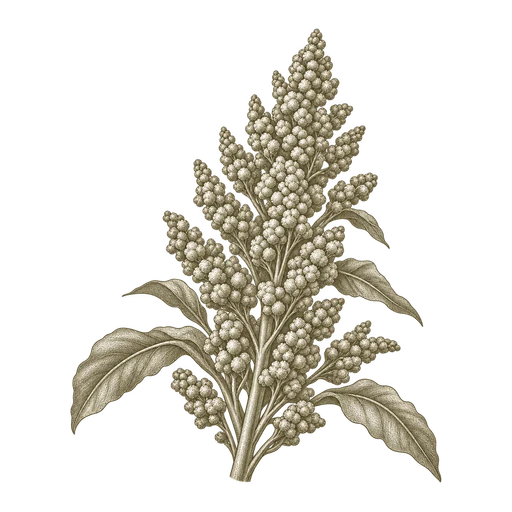
Quinoa is a grain-like pseudocereal seed sold in distinct forms such as whole grain and flour. Compare form, processing and relevant quality measures to match the product to a food or feed application and plan receiving and storage.

Explore ingredient

What the pseudocereals collection covers

Pseudocereals are seeds used in grain-like ways, rather than true cereal grains. Quinoa is the only supplied ingredient in this collection, so it is best read as a focused route to quinoa rather than a comparison of multiple pseudocereals. Its botanical identity and its culinary role are different things: it is a seed commonly prepared like a grain.

Quinoa is available in whole-seed, flake and flour forms. Whole seed suits grain-style dishes such as salads, soups and side dishes; flakes are used in hot cereal, while flour is used in baking and processed foods. The form changes handling and performance, so buyers should match it to the intended recipe or manufacturing process.

Choose the form and processing for the end use

Quinoa’s outer covering can contain bitter saponins. Washing or soaking and mechanical abrasion or polishing are among the methods used to reduce them. Do not assume a lot has received a particular treatment: confirm its processing history and, where relevant, ask for a lot-specific residual-saponin result. There is no single universal treatment or residual limit established for every application.

For bulk purchasing, specify whether you need whole seed, flakes or flour, and identify the intended use. For flour or flakes, clarify the relevant particle-size and processing requirements; for whole seed, discuss appearance or variety if these affect the finished product. Review the lot specification for moisture, foreign material and defects, and confirm packaging and storage conditions. These details affect receiving, storage and process consistency; terms should be checked for the specific lot.

Keep intended use explicit

Food use does not by itself establish suitability for animal feed or pet-food formulation. Those uses require their own specifications and a qualified formulation decision. For all forms, keep the botanical identity, processing treatment and end-use requirements clear in the purchasing specification.

Common questions.

Is quinoa a cereal grain?+

No. Quinoa is a seed used in grain-like ways; pseudocereal describes that use, not botanical membership in the cereal grasses.

Does quinoa always need rinsing?+

Not necessarily. Processing can reduce bitter saponins, and some packaged products may already have been treated. Confirm the lot’s processing and follow its product directions.

Which quinoa form should I buy: seed, flakes or flour?+

Choose whole seed for grain-style dishes, flakes for hot cereal, and flour for baking or processed foods. Confirm any form-specific processing and particle-size requirements against your application.

Can food-grade quinoa automatically be used in feed or pet food?+

No. Food use does not establish feed or pet-food suitability. Confirm the intended-use specification and have a qualified formulator assess its role.

Pseudocereals · BUYER INSIGHTS

Go deeper before you source.

Focused guides to the specification, application, and delivery questions behind this ingredient.