Grains
Alfalfa
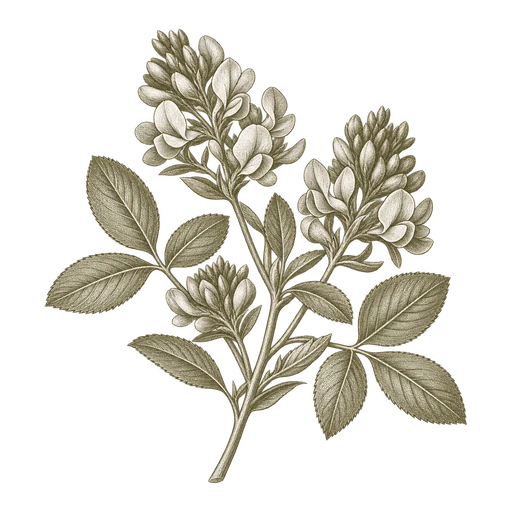
Alfalfa is a forage legume sourced as hay, silage, meal or pellets for livestock feed. Match the form to receiving and ration needs, then compare a lot-specific analysis on a consistent basis.
Explore ingredientCompare meat and bone meal lots using analytical basis, protein, fat, moisture, ash and mineral data—not crude protein alone. Amino acid and digestibility results add context when the formulation requires them.
Crude protein is useful for an initial comparison, but it does not tell you whether two meat and bone meal (MBM) lots will contribute the same nutrients to a feed formulation. MBM is a rendered animal protein ingredient whose composition reflects the material processed and the resulting proportions of protein, fat and mineral matter. Lots with similar crude protein can still differ in moisture, ash, calcium, phosphorus and amino acid availability.
A useful comparison starts with the intended formulation. If the main objective is to supply protein, amino acid composition and digestibility can matter alongside crude protein. If MBM also contributes minerals, calcium and phosphorus become central. Comparing several measures together gives a clearer picture than ranking lots by a single protein figure.
Before comparing values, check whether each result is reported on an as-fed or dry-matter basis. As-fed values include the moisture in the product; dry-matter values remove that moisture from the calculation. A value on one basis cannot be directly compared with a value on the other without accounting for the difference.
Also check which lot the analysis represents, when the sample was taken, and which test methods are stated. These details help establish whether results describe the material being offered and whether two analyses were produced on a comparable basis. If values come from different methods or sampling points, apparent differences may not reflect only a difference in the product.
Crude protein estimates total protein-related nitrogen; it does not measure the amount of each essential amino acid or show how digestible the protein will be. Fat contributes energy and helps explain the product’s overall composition, while moisture affects the amount of dry nutrients delivered in a given as-fed quantity. Buyers comparing delivered tonnage should therefore consider moisture along with nutrient values rather than treating the protein percentage as the whole specification.
Ash represents the inorganic residue remaining after organic material is removed during analysis. In MBM, it helps describe the mineral fraction and can provide context for differences in the balance of protein and mineral material. Ash is not a substitute for calcium and phosphorus results: it indicates total inorganic material, not the amount of each individual mineral.
Calcium and phosphorus are important MBM analysis fields when the ingredient is expected to contribute minerals as well as protein. Review them together, since a formulation must account for both nutrients rather than treating either value in isolation. Their measured levels help a nutritionist determine how the ingredient fits alongside other feed materials and mineral sources.
Total calcium and phosphorus results do not, by themselves, establish how much is available to an animal. Interpret them within the intended species and formulation, and avoid inferring a mineral contribution from crude protein or ash alone. When mineral balance is a key buying criterion, make sure the analysis reports calcium and phosphorus separately.
Lysine and tryptophan results can help refine a protein comparison when those amino acids are important to the target diet. Crude protein cannot show whether a lot supplies the amino acid profile the formulation requires. An amino acid analysis is therefore most useful when it answers a defined formulation question, rather than as an isolated number without context.
Digestibility data can add another layer by indicating how the protein or amino acids are utilized, but results need careful interpretation. Ask which component was measured, what method was used, and whether the result applies to the species and formulation under consideration. Processing can affect protein quality, so two lots with similar crude protein should not automatically be assumed to have equivalent digestibility. Do not compare digestibility figures from different methods as if they were interchangeable.
For a practical lot comparison, place crude protein, fat, moisture, ash, calcium and phosphorus side by side, using the same reporting basis wherever possible. Add lysine, tryptophan or digestibility data when the formulation decision depends on amino acid supply or protein utilization. Record the lot identity, sampling information and stated test methods with the results so that the numbers remain interpretable.
There is no single analysis profile that suits every use, and a generic example should not be treated as a specification for an offered lot. Define the values and methods needed for your feed program, then compare the actual analysis for each offer against those requirements. Once the required analysis is clear, visit the Meat and Bone Meal page to source the ingredient.
Crude protein does not show the amino acid profile, digestibility, moisture, fat or mineral contribution of a lot. Compare it with the other analysis fields relevant to the intended formulation.
No. As-fed values include moisture, while dry-matter values exclude it. Use a consistent basis or account for moisture before comparing results.
Request these when amino acid supply or protein utilization is important to the formulation. Check the stated test method and confirm that the result is relevant to the intended species and use.
Focused guides to the specification, application, and delivery questions behind this ingredient.
Plan a meat and bone meal order around the site that will receive it. Quantity, destination, unloading equipment, packaging constraints and suitable dry, covered storage all shape a workable delivery plan.
Read this InsightMeat and bone meal can contribute protein, calcium and phosphorus to swine diets. Its fit depends on the actual ingredient analysis, amino-acid availability, animal group and mineral balance of the complete ration.
Read this InsightAlfalfa is a forage legume sourced as hay, silage, meal or pellets for livestock feed. Match the form to receiving and ration needs, then compare a lot-specific analysis on a consistent basis.
Explore ingredientAlfalfa meal is ground forage used in animal feed, with sun-cured and dehydrated processing routes and meal or pellet forms. Compare the offered process, physical form and analysis against the needs of the species and feed formulation.
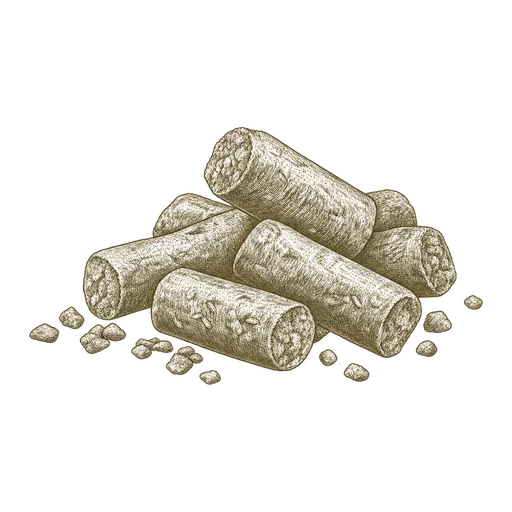
Explore ingredientAlfalfa pellets are ground, compressed forage used in livestock feeding and compound feeds. Compare the drying process, alfalfa material, forage analysis and pellet characteristics to choose a form that fits your ration and receiving setup.
Explore ingredientBeet pulp pellets are a dried, compacted sugar beet co-product used as a fibrous, energy-bearing ingredient in livestock feed. Compare molasses status, lot analysis and pellet handling needs to match the product to your ration and receiving setup.
Explore ingredient