Grains
Alfalfa
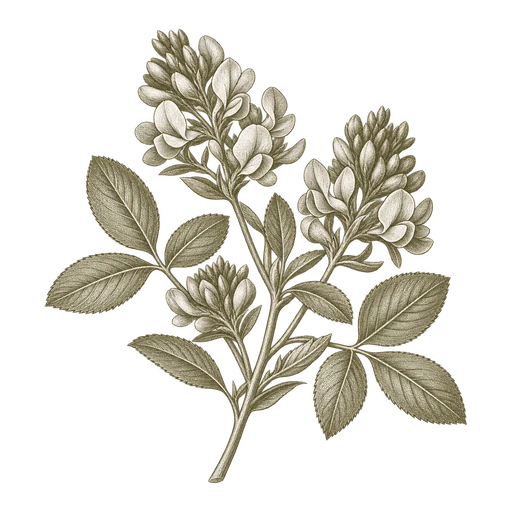
Alfalfa is a forage legume sourced as hay, silage, meal or pellets for livestock feed. Match the form to receiving and ration needs, then compare a lot-specific analysis on a consistent basis.
Explore ingredientMeat and bone meal can contribute protein, calcium and phosphorus to swine diets. Its fit depends on the actual ingredient analysis, amino-acid availability, animal group and mineral balance of the complete ration.
Meat and bone meal (MBM) can supply protein alongside calcium and phosphorus in swine diets. Its combination of nutrients makes it different from a protein ingredient that contributes little mineral: adding MBM affects both the protein calculation and the ration’s mineral balance.
The exact contribution is not fixed across all MBM. Raw material and processing influence its nutrient composition, so a formulation needs analysis for the specific ingredient being considered. A product’s crude protein value alone cannot describe its calcium, phosphorus or usable amino-acid contribution.
Bone contributes much of MBM’s mineral content. That can help meet a ration’s mineral needs, but it also means calcium and phosphorus supplied by MBM must be counted alongside minerals from other ingredients and supplements. Adding an ingredient to address protein without accounting for those minerals can disrupt the intended balance.
The relevant question is not simply how much total phosphorus is present. A swine nutritionist must formulate against the applicable phosphorus requirement and the values used by the feeding program, including the assumed availability or digestibility of phosphorus. Calcium must be evaluated in relation to that phosphorus and to the complete diet. The right calculation depends on the animal group and the rest of the ration; no single inclusion rate fits every formulation.
Protein analysis is useful for comparing ingredients, but it does not show how much of each amino acid the pig can use. Amino-acid composition and digestibility matter because a diet must supply the required amino acids, not merely reach a crude-protein target. MBM’s amino-acid contribution should therefore be assessed using values appropriate to the actual product and formulation system.
Ask the nutritionist which amino-acid values are needed for the intended pigs and whether the ingredient information supports those values. Processing can affect protein quality, so assumptions from a generic table may not represent a particular lot. If amino-acid digestibility data are unavailable, the nutritionist can decide whether the available analysis is sufficient for the intended use or whether another ingredient or formulation approach is preferable.
Requirements differ among swine groups and production stages. A formulation for young pigs, growing pigs, finishing pigs or breeding animals should be assessed against the relevant animals, rather than transferring a rate from a different diet or production context. The current formula matters too: other protein ingredients, mineral sources and the balance of the ration all affect how MBM fits.
Before adopting a formulation, give the nutritionist the intended animal group, the full ingredient list and the actual MBM analysis. Ask which requirements are driving the decision, how calcium and phosphorus will be balanced, and which amino-acid availability values will be used. Any formulation guidance should be checked for the specific pigs and ingredients; neither a generalized rate nor a protein percentage answers those questions on its own.
Once the nutritionist defines the needed nutrient profile, use it to describe the MBM being sourced. Identify the required product and form, quantity, destination and receiving setup, then state which analyses matter to the formula. Calcium, phosphorus and protein are central to the questions discussed here; amino-acid data may also be relevant where the formulation depends on them. The requested information should match the nutritionist’s calculation method.
For a bulk purchase, align the quality information used to formulate the diet with the product being quoted. Ask how the analysis relates to the offered lot and what documentation is available for the specific order. Exact composition and commercial terms depend on the supplier offer. When the formulation requirements are clear, the [meat and bone meal page](/ingredients/meat-and-bone-meal) is the next step for sourcing discussions.
Yes. MBM can contribute protein, calcium and phosphorus. The amounts vary by product, so the formulation should use analysis for the ingredient being considered and count its minerals within the complete ration.
No. Crude protein does not show the amino-acid profile or how available those amino acids are to the pig. Ask the nutritionist which amino-acid values are needed for the target animal group and whether product-specific information supports the formulation.
Start with the animal group and the complete diet. Evaluate MBM’s protein and amino-acid contribution, then balance its calcium and phosphorus with the rest of the ration against the requirements and formulation methods used for those pigs. Do not assume one inclusion rate applies to all diets.
Focused guides to the specification, application, and delivery questions behind this ingredient.
Plan a meat and bone meal order around the site that will receive it. Quantity, destination, unloading equipment, packaging constraints and suitable dry, covered storage all shape a workable delivery plan.
Read this InsightCompare meat and bone meal lots using analytical basis, protein, fat, moisture, ash and mineral data—not crude protein alone. Amino acid and digestibility results add context when the formulation requires them.
Read this InsightAlfalfa is a forage legume sourced as hay, silage, meal or pellets for livestock feed. Match the form to receiving and ration needs, then compare a lot-specific analysis on a consistent basis.
Explore ingredientAlfalfa meal is ground forage used in animal feed, with sun-cured and dehydrated processing routes and meal or pellet forms. Compare the offered process, physical form and analysis against the needs of the species and feed formulation.
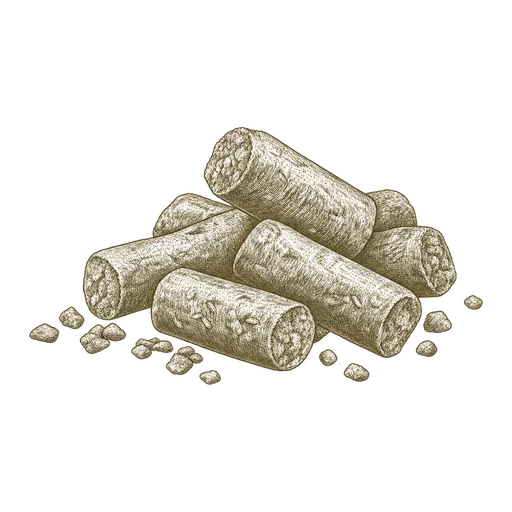
Explore ingredientAlfalfa pellets are ground, compressed forage used in livestock feeding and compound feeds. Compare the drying process, alfalfa material, forage analysis and pellet characteristics to choose a form that fits your ration and receiving setup.
Explore ingredientBeet pulp pellets are a dried, compacted sugar beet co-product used as a fibrous, energy-bearing ingredient in livestock feed. Compare molasses status, lot analysis and pellet handling needs to match the product to your ration and receiving setup.
Explore ingredient