Animal nutrition is a broad collection of ingredient types, not a single interchangeable feed class. It includes oilseed meals such as canola and sunflower meal, grains such as buckwheat, animal-derived meals including blood meal, fish meal and meat and bone meal, and yeast products. Product form and processing matter: a grain is not the same as its hulls or forage, and extraction methods can change meal characteristics. Collection membership alone does not establish feed suitability or stock.
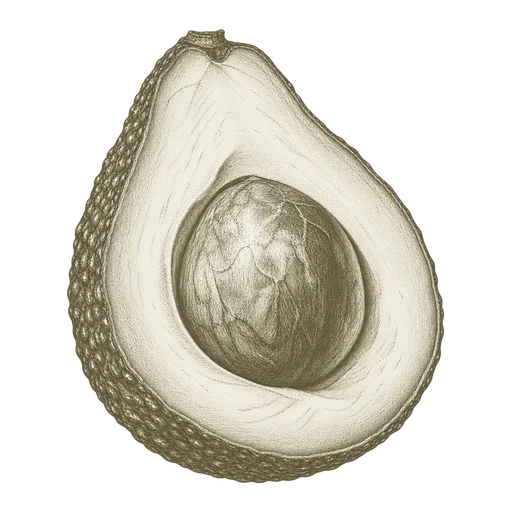
Avocado feed materials include distinct forms such as pulp-and-peel by-product, peel meal and dried meal. Fraction, processing, intended species and handling needs determine what analysis and safety information matter before a bulk purchase.
Blood meal is dried, powdered blood used as a protein ingredient in formulated feed and as a concentrated nitrogen fertilizer. Source, processing and intended use shape which analysis and handling details matter in a bulk purchase.
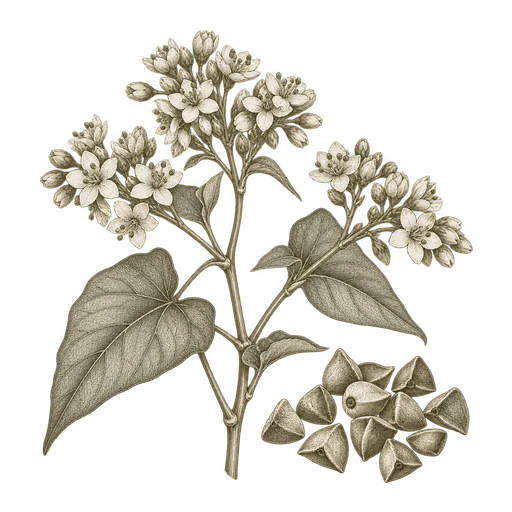
Buckwheat is sourced as whole seed, dehulled groats, flour and milling by-products for food and feed uses. Choose the form and processing status for the intended use, and compare lot quality on a clearly stated basis.
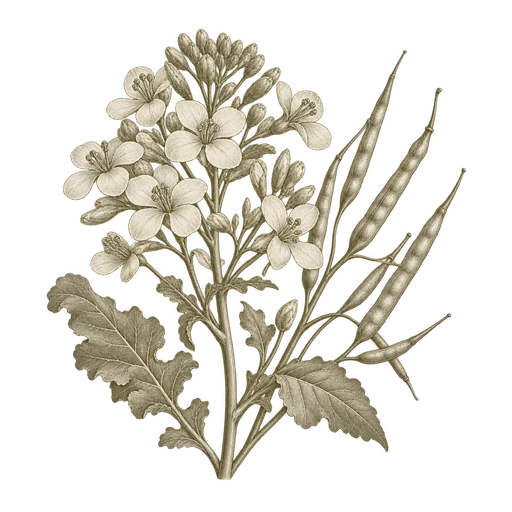
Canola refers to seed and products including edible oil and feed meal. For bulk sourcing, identify the product and, for meal, compare processing, physical form and lot analysis to match the feed formulation and receiving setup.
Bovine colostrum powder is a dried ingredient that can differ in IgG content, fat, lactose and processing. Compare the specific form, lot analysis and intended-use documentation before arranging a bulk order.
Fish meal is a dried, ground feed ingredient made from whole fish, fish parts or processing residues. Used in livestock and aquaculture feeds, it varies with raw material and processing, so compare lot analysis, product identity and handling details before arranging a bulk shipment.
Meat and bone meal is a rendered mammalian feed ingredient that contributes protein and bone-derived minerals. Compare its full lot analysis—not crude protein alone—and match the source, formulation needs and receiving arrangement to your operation.
Sunflower meal is a sunflower-seed oil-extraction residue used as a protein ingredient in animal feed. Compare dehulling, extraction method, physical form and lot analysis to determine how a bulk offer fits your feed formulation and receiving setup.
Feed yeast covers distinct whole-cell, live, culture, extract, and cell-wall products. Compare source, processing, viability, and nutrient analysis to choose the form that fits an animal-feed formulation and bulk receiving plan.
This collection brings together varied ingredient labels, not a uniform feed category. Canola and sunflower meals are oil-extraction co-products; blood meal, fish meal and meat and bone meal are animal-derived products. Buckwheat is a grain, while yeast products vary by source and processing. Those differences affect what information buyers need to compare.
Form matters as much as the name. Grain is not interchangeable with hulls or forage, and mechanically pressed oilseed meal can differ from solvent-extracted meal. For less specific labels such as avocados and colostrum powder, confirm the exact product form and intended feed use before evaluating suitability.
Start with the animal and the intended use
A product’s use in one feed context does not establish suitability for another. Identify the target species and life stage, feed purpose and intended formulation before comparing ingredients. Livestock feed, aquaculture feed and pet food have distinct formulation and labeling considerations; animal-derived materials can also have species-specific restrictions.
Compare lots on a consistent basis
Request a current lot analysis and product specification, and check that values use the same basis, such as as-fed or dry matter. Depending on the ingredient, useful comparisons can include moisture, protein, fat, fiber and ash, alongside relevant processing or freshness indicators. For fish meal, storage and oxidation deserve attention; for rendered meals, confirm source species and processing details.
Match storage and handling to the product form. Protect dry ingredients from moisture and contamination, and follow the lot’s handling and shelf-life guidance. Confirm commercial terms such as available quantity, packaging and delivery arrangements for the specific lot.
Common questions.
Are all ingredients in this collection suitable for every animal species?+
No. Suitability depends on exact product identity, processing, animal species, diet formulation and applicable requirements. Verify these before use.
Is the word “meal” enough to compare products?+
No. Oilseed meals may be mechanically pressed or solvent-extracted, while animal-derived meals are rendered products. Confirm the precise product definition and lot analysis.
What should buyers request before comparing lots?+
Request a current specification or lot analysis, the product form and processing details, and analytical values reported on a comparable basis. Add ingredient-specific checks, such as freshness indicators for fish meal.
Can livestock-feed use establish suitability for pet food?+
No. Pet-food formulation and labeling should be assessed separately, along with the ingredient’s identity, processing and intended use.
Animal nutrition · BUYER INSIGHTS
Go deeper before you source.
Focused guides to the specification, application, and delivery questions behind this ingredient.