Grains
Alfalfa
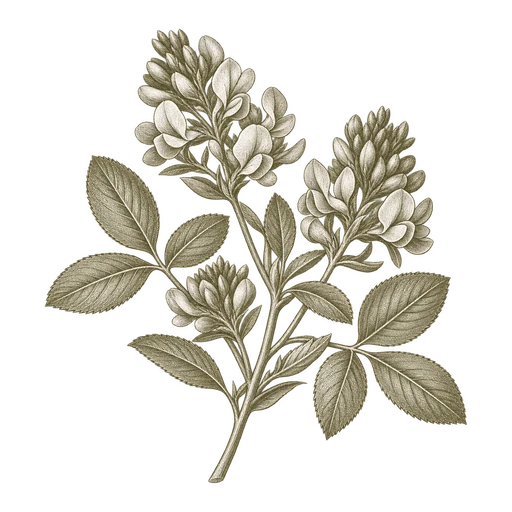
Alfalfa is a forage legume sourced as hay, silage, meal or pellets for livestock feed. Match the form to receiving and ration needs, then compare a lot-specific analysis on a consistent basis.
Explore ingredientPlan bulk hominy feed receiving around the offered form, equipment compatibility, destination and timing. A dry, prepared storage area and lot-specific handling guidance help buyers manage moisture and avoid preventable handling problems.
Bulk hominy feed receiving starts with the physical form of the specific lot—not just the ingredient name. Fine or powdery material can behave differently from a coarser product as it moves through a receiving pit, conveyor or other handling equipment. That affects how the product flows and whether your facility can unload and transfer it as intended.
Before arranging delivery, establish the form being offered and compare it with your unloading setup. Consider the path from the receiving point to the storage location, including any equipment or transfer points where material could bridge, accumulate or create excess dust. Do not assume a form or handling characteristic based on a previous hominy feed purchase; ask for product-specific handling guidance for the lot under discussion.
The product page for <a href="/ingredients/hominy">Hominy</a> is the place to begin when sourcing. For an order, connect the product description to practical receiving details: how much you need, where it will be delivered, when you can receive it and what form your facility can handle.
Receiving compatibility depends on the combination of product form and facility equipment. A fine material may move differently through a conveying system than a less powdery one, so confirm that the proposed product can pass through the equipment your site will use. Include relevant constraints such as receiving access, transfer route and any limits on when your facility can unload.
Also plan the handoff between delivery and storage. If unloading is delayed or the intended storage location is unavailable, the product can be left exposed or handled more than planned. Coordinate the receiving window with the destination’s actual operating schedule and make sure the person arranging delivery understands any access or unloading restrictions.
Packaging and transport arrangements are not established by the ingredient name alone. Specify the receiving method your site can accommodate, then establish which arrangement applies to the particular offer before finalizing the order.
Moisture deserves attention because damp conditions can contribute to mold or spoilage in stored hominy feed. Keep the planned storage area dry and protected from water entry, and avoid leaving material exposed during receiving or transfer. The objective is to limit opportunities for moisture to contact the product; no single storage threshold or shelf life should be assumed without product-specific guidance.
A clean, suitable storage location also helps protect the material from contamination and avoidable loss. Think through how the product will be moved into storage and accessed afterward, rather than treating unloading as the end of the handling plan. Spillage, accumulation in transfer areas or material that cannot be moved as intended can contribute to shrinkage and complicate inventory management.
Ask for handling and storage guidance specific to the offered lot. If the material’s condition or form could change how your facility stores or conveys it, resolve that question before scheduling receipt.
A useful bulk order plan brings the product form together with quantity, unit, delivery destination and receiving timing. Those details help align the offer with the facility’s capacity and schedule. Share the location where the feed will be received—not only a general region—and explain any site access or unloading constraints that affect delivery planning.
Set the receiving date around both your facility’s availability and the readiness of the storage area. Make sure the appropriate staff and equipment will be available during the planned window. If your operation has a limited receiving schedule, communicate it early so the proposed arrangement can be assessed against that constraint.
Commercial terms such as available packaging, delivery timing and freight depend on the specific offer. Clarify them for the destination and order being considered rather than assuming a particular shipment method or service.
Before confirming a purchase, have the offered form and product-specific handling guidance, order quantity and unit, destination, timing, receiving method, unloading compatibility and storage plan in one place. Make sure the information reaches the person responsible for receiving, not only the person placing the order.
This coordination helps prevent a mismatch between a fine or powdery product and the site’s handling equipment, and it gives the facility a chance to prepare a dry storage location before the shipment arrives. For product details and a route to sourcing, see the Hominy ingredient page.
Fine or powdery hominy feed may move differently through receiving and conveying equipment than a coarser material. Identify the form being offered and check it against your facility’s unloading and transfer setup.
Moisture can contribute to mold or spoilage. Plan for a dry, protected storage location and obtain handling guidance specific to the offered lot rather than assuming a storage threshold or shelf life.
Provide the required form, quantity and unit, destination, receiving timing, site access or unloading constraints, and the storage or handling arrangements available at your facility. Confirm packaging and delivery details for the specific offer.
Focused guides to the specification, application, and delivery questions behind this ingredient.
A practical guide to evaluating hominy feed as a partial corn replacement in swine diets, with attention to lot analysis and complete-ration formulation.
Read this InsightCompare hominy feed analyses on a consistent moisture basis, with attention to methods, units, sampling, and the distinction between reference values and lot-specific results.
Read this InsightAlfalfa is a forage legume sourced as hay, silage, meal or pellets for livestock feed. Match the form to receiving and ration needs, then compare a lot-specific analysis on a consistent basis.
Explore ingredientAlfalfa meal is ground forage used in animal feed, with sun-cured and dehydrated processing routes and meal or pellet forms. Compare the offered process, physical form and analysis against the needs of the species and feed formulation.
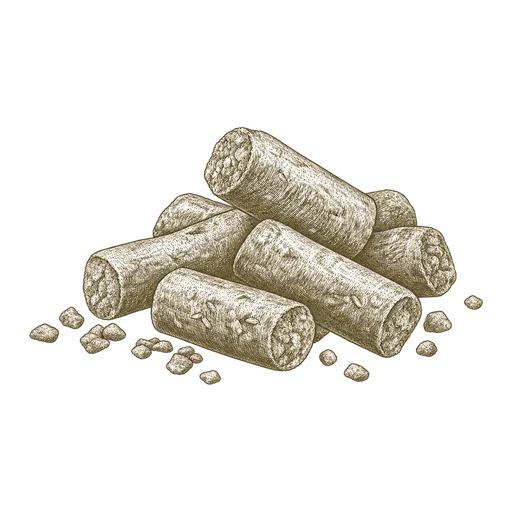
Explore ingredientAlfalfa pellets are ground, compressed forage used in livestock feeding and compound feeds. Compare the drying process, alfalfa material, forage analysis and pellet characteristics to choose a form that fits your ration and receiving setup.
Explore ingredientBeet pulp pellets are a dried, compacted sugar beet co-product used as a fibrous, energy-bearing ingredient in livestock feed. Compare molasses status, lot analysis and pellet handling needs to match the product to your ration and receiving setup.
Explore ingredient