Grains
Alfalfa
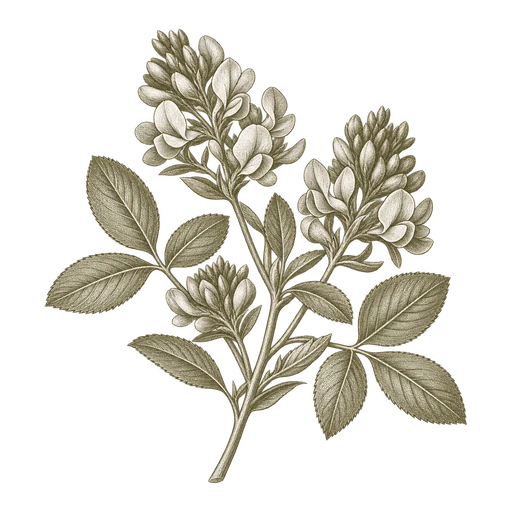
Alfalfa is a forage legume sourced as hay, silage, meal or pellets for livestock feed. Match the form to receiving and ration needs, then compare a lot-specific analysis on a consistent basis.
Explore ingredientCompare hominy feed analyses on a consistent moisture basis, with attention to methods, units, sampling, and the distinction between reference values and lot-specific results.
A hominy feed analysis is only comparable with another lot’s analysis when both results use the same moisture basis. An as-fed value describes the nutrient concentration in the product as received, including its water. A dry-matter value describes nutrient concentration after the water is excluded. Because moisture dilutes nutrients in an as-fed report, two lots can appear different on that basis even when their nutrient proportions in the dry matter are similar.
To convert an as-fed nutrient percentage to a dry-matter percentage, divide the as-fed value by the dry-matter fraction. The dry-matter fraction is 1 minus the moisture fraction, with both fractions expressed as decimals. For example, a moisture result reported as a percentage must first be converted to a fraction before applying the calculation. To convert a dry-matter result to an as-fed basis, multiply by the dry-matter fraction.
Keep the moisture result and the basis used for every nutrient together when reviewing an analysis. A report that shows protein or fiber without making clear whether the value is as-fed or dry matter does not support a reliable direct comparison.
Hominy feed is a corn-milling co-product, and its composition can vary with the material included and the processing that produced it. Compare crude protein with crude protein, fat with fat, and fiber with the same fiber measure—not simply with a similarly named value. Fiber results can refer to different analytical measures, so check the test name and method before interpreting a difference as a change in the ingredient.
Starch and energy-related values also need context. If starch is reported, confirm its basis and test method. If energy is listed, identify whether it is a calculated estimate or a directly measured result, which calculation or system was used, and whether it applies to the animal and formulation context you are evaluating. Energy estimates derived from different equations are not automatically interchangeable.
Mineral values require the same care: compare the same named mineral, units, and reporting basis. Check whether the results are expressed as a concentration in the feed or on a dry-matter basis. A difference in moisture, units, or analytical method can complicate comparisons even when the figures look similar.
Before comparing nutrient values, align the units, basis, and analytical method. Percentages, concentrations reported in other units, and values converted from one basis to another cannot be compared by appearance alone. Record moisture separately, then convert the nutrients to a common basis if needed. Do not mix a dry-matter protein result from one report with an as-fed result from another.
Also determine which sample the report represents. A laboratory result describes the submitted sample; it does not by itself establish that the sample represents every load or an entire supply period. For a lot-to-lot review, the sampling plan and sample identification matter alongside the laboratory panel. A useful comparison retains the lot identifier, sample date, moisture, units, method, and whether each result is measured or calculated.
If an analysis includes only selected nutrients, treat omitted values as unknown rather than assuming them from another report or a published reference. Reference tables can help frame expectations, but they are not guarantees for a specific hominy feed lot. Product composition and reported results must be evaluated against current lot documentation.
A common basis makes the numbers easier to compare; it does not decide whether a lot fits a ration. Protein, fat, fiber, starch, minerals, and energy each answer different formulation questions. A nutritionist can determine which values matter for the intended species and ration, and whether an energy estimate is appropriate for that use.
For a practical side-by-side review, build a table with one row per lot and columns for moisture, reporting basis, protein, fat, the specific fiber measure, starch if reported, energy value and method if reported, and relevant minerals. Add units, test methods, sample identifiers, and dates. This makes it easier to distinguish a real compositional difference from a change in reporting or analysis.
Once the required measures and comparison basis are defined, visit the [hominy page](/ingredients/hominy) to explore sourcing. When requesting a quote, specify the product and the analysis details that matter to your formulation; lot-specific results and commercial terms need to be established for the offer being considered.
Divide the as-fed nutrient value by the dry-matter fraction, calculated as 1 minus the moisture fraction. Convert percentages to decimals before calculating. Keep the original units and note the basis used for the converted result.
Differences can reflect actual lot composition, moisture, sample representation, analytical method, units, or reporting basis. Align those details before deciding that one lot has a higher protein concentration.
No. Published reference values describe general expectations, not the analysis of a particular lot. Use current product documentation for the material being considered and check the sample, analytical basis, and methods.
Focused guides to the specification, application, and delivery questions behind this ingredient.
Plan bulk hominy feed receiving around the offered form, equipment compatibility, destination and timing. A dry, prepared storage area and lot-specific handling guidance help buyers manage moisture and avoid preventable handling problems.
Read this InsightA practical guide to evaluating hominy feed as a partial corn replacement in swine diets, with attention to lot analysis and complete-ration formulation.
Read this InsightAlfalfa is a forage legume sourced as hay, silage, meal or pellets for livestock feed. Match the form to receiving and ration needs, then compare a lot-specific analysis on a consistent basis.
Explore ingredientAlfalfa meal is ground forage used in animal feed, with sun-cured and dehydrated processing routes and meal or pellet forms. Compare the offered process, physical form and analysis against the needs of the species and feed formulation.
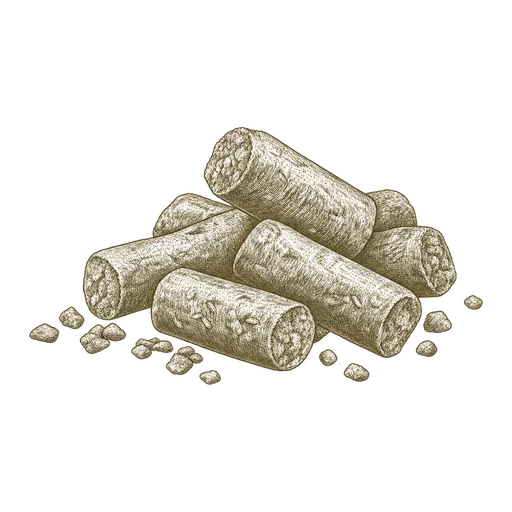
Explore ingredientAlfalfa pellets are ground, compressed forage used in livestock feeding and compound feeds. Compare the drying process, alfalfa material, forage analysis and pellet characteristics to choose a form that fits your ration and receiving setup.
Explore ingredientBeet pulp pellets are a dried, compacted sugar beet co-product used as a fibrous, energy-bearing ingredient in livestock feed. Compare molasses status, lot analysis and pellet handling needs to match the product to your ration and receiving setup.
Explore ingredient