Grains
Alfalfa
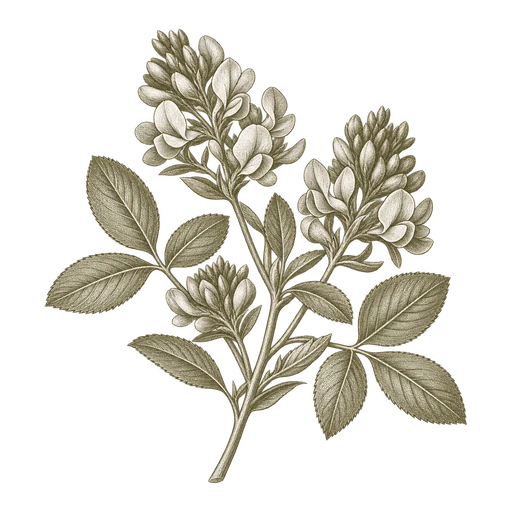
Alfalfa is a forage legume sourced as hay, silage, meal or pellets for livestock feed. Match the form to receiving and ration needs, then compare a lot-specific analysis on a consistent basis.
Explore ingredientA practical guide to evaluating hominy feed as a partial corn replacement in swine diets, with attention to lot analysis and complete-ration formulation.
Hominy feed is a corn dry-milling co-product made from a mixture of bran, germ and portions of the starchy endosperm. It can contribute energy to a swine diet, but its composition differs from whole corn. Replacing corn with hominy feed therefore means reformulating the diet around the co-product’s analyzed nutrient contribution—not swapping equal amounts and assuming the ration stays the same.
The practical question is how the lot fits the animal’s complete diet. Its starch, oil, protein and fiber affect the nutrients supplied by the ingredient, while the other ingredients determine whether the finished ration remains balanced. A nutritionist should evaluate the intended animal group and the current formulation before deciding how much corn, if any, to replace.
Starch helps describe how the hominy feed compares with corn as a source of carbohydrate. Oil matters because it contributes dietary energy, but a higher oil result does not by itself establish the ingredient’s energy value in a finished swine diet. The nutritionist needs to interpret both measurements alongside the rest of the lot analysis and the energy system used in the formulation.
Protein and fiber also help explain differences between lots and between hominy feed and corn. Crude protein alone does not show whether the ingredient supplies the amino acids needed by the animal. Fiber can affect how the co-product fits the ration and should be considered with other fiber sources, particularly when the diet has constraints on nutrient density or ingredient characteristics.
Moisture and ash round out a useful basic picture: moisture affects the amount of dry matter delivered, and ash represents mineral material. Ask for results on a clearly stated basis, such as as-fed or dry matter, so values can be compared consistently. If amino acid, phosphorus or other nutrient values are used in the formulation, clarify whether they are analyzed, calculated or supplied from a reference table.
After reviewing the lot analysis, the nutritionist can enter the ingredient values into the formulation system and recalculate the whole diet. That step accounts for the nutrients removed with corn and those introduced with hominy feed, as well as changes needed elsewhere in the formula. Protein and amino acid balance, minerals and other energy sources should be considered alongside starch and oil.
The formulation should match the intended swine group and feeding program. Advice for one production stage should not automatically be applied to another: nutrient targets and practical constraints depend on the animals and the rest of the diet. Use species- and stage-appropriate formulation guidance rather than relying on a general inclusion example. This approach avoids treating a co-product’s average composition as a guaranteed description of the purchased lot.
Hominy feed’s mixture of milling fractions means its composition can vary. A formulation based on one analysis may not accurately describe a later shipment. When comparing offers, look at the same key measurements using the same reporting basis; otherwise, apparent differences may reflect testing or presentation rather than a meaningful change in the ingredient.
For a bulk purchase, request the analysis that the nutritionist needs to evaluate the lot, especially starch, oil and the other nutrients used in the ration. A representative sample and clear identification of the lot make those values more useful for comparison. The delivered price is only one part of the decision: compare it in relation to the analyzed nutrient contribution and the resulting complete-diet formulation.
Before requesting a quote, specify hominy feed as the ingredient and state the intended quantity, delivery destination and receiving arrangement. Identify the analysis required for formulation, the reporting basis, and any additional nutrient values your nutritionist uses. Also clarify how the offered lot will be identified and how its analysis will be provided; exact analyses, packaging and commercial terms depend on the offer.
For a broader description of the ingredient and its sourcing, see the Hominy ingredient page. The useful next step is to align the lot information available for purchase with the nutrient values your nutritionist will actually use in the swine diet.
Not as a default. Hominy feed differs from corn in starch, oil, protein and fiber, so the nutritionist should formulate from the lot analysis and recalculate the complete diet rather than assume an equal-weight substitution.
Start with starch and oil, then consider moisture, protein, fiber and ash. Include amino acid and mineral values when they are part of the formulation, and check whether results are reported as-fed or on a dry-matter basis.
No. Formulation depends on the animals’ production stage and the rest of the ration. Use guidance appropriate to the intended group, and do not apply a general inclusion example without species- and stage-specific review.
Focused guides to the specification, application, and delivery questions behind this ingredient.
Plan bulk hominy feed receiving around the offered form, equipment compatibility, destination and timing. A dry, prepared storage area and lot-specific handling guidance help buyers manage moisture and avoid preventable handling problems.
Read this InsightCompare hominy feed analyses on a consistent moisture basis, with attention to methods, units, sampling, and the distinction between reference values and lot-specific results.
Read this InsightAlfalfa is a forage legume sourced as hay, silage, meal or pellets for livestock feed. Match the form to receiving and ration needs, then compare a lot-specific analysis on a consistent basis.
Explore ingredientAlfalfa meal is ground forage used in animal feed, with sun-cured and dehydrated processing routes and meal or pellet forms. Compare the offered process, physical form and analysis against the needs of the species and feed formulation.
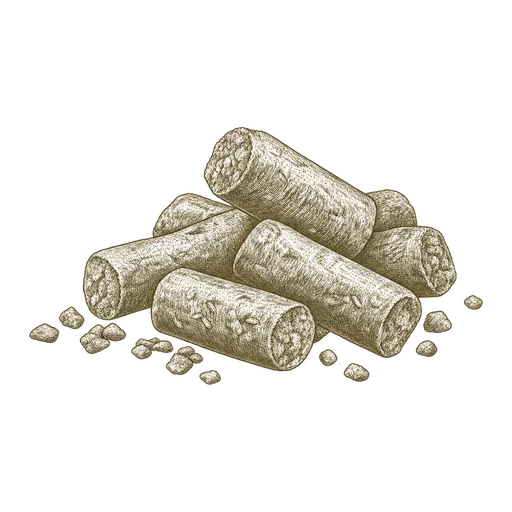
Explore ingredientAlfalfa pellets are ground, compressed forage used in livestock feeding and compound feeds. Compare the drying process, alfalfa material, forage analysis and pellet characteristics to choose a form that fits your ration and receiving setup.
Explore ingredientBeet pulp pellets are a dried, compacted sugar beet co-product used as a fibrous, energy-bearing ingredient in livestock feed. Compare molasses status, lot analysis and pellet handling needs to match the product to your ration and receiving setup.
Explore ingredient