Independent sourcing. Better connections.Commercial buyers · Bulk ingredients
topic

Feed sourcing

A guide to sourcing distinct bulk feed materials: Golden German millet, herring fish meal and hominy feed. Compare ingredient form and intended use, then evaluate each lot using relevant analysis and documentation.

3 ingredients6 published Insights
EXPLORE THE COLLECTION

Feed sourcing ingredients

Millet

Golden German

Golden German is a warm-season foxtail millet grown primarily as forage for hay, green feed, silage and swath grazing. Compare the offered form, harvest maturity and current forage analysis to match the material to your storage, receiving and livestock needs.

Explore ingredient

Animal Products

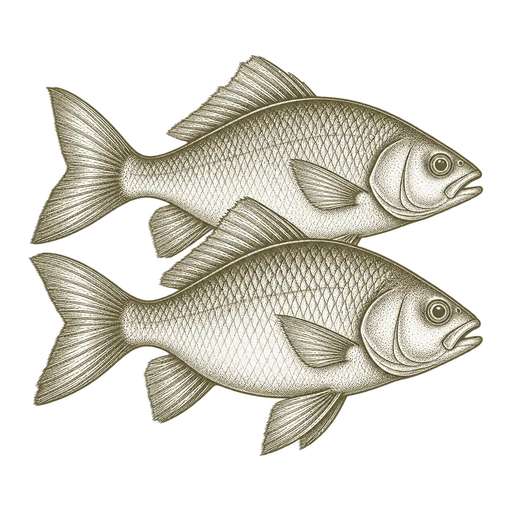
Herring Fish Meal

Herring fish meal is a dried, ground fish ingredient used in animal and aquafeed formulations. Compare the lot’s analysis, raw material and physical form, then plan receiving and storage around its flow, moisture and residual-oil characteristics.

Explore ingredient
Feed Ingredients

Hominy

Hominy feed is a variable corn-milling co-product used in livestock diets, distinct from nixtamalized food hominy. Compare the actual physical form and lot analysis, then evaluate its role in the complete ration and plan receiving and moisture-conscious storage.

Explore ingredient

Three ingredients, three different roles

Feed sourcing covers materials that differ in origin and form, not interchangeable versions of one product. Golden German is a millet variety that may be supplied as seed or as forage. Herring fish meal is a dried, ground animal-protein ingredient. Hominy feed is a co-product of corn milling.

Those distinctions affect how an ingredient fits a ration and what information matters before purchase. Confirm the precise product and form first; a familiar name alone does not establish whether the material is grain, forage or processed meal.

Match the form to the intended use

For Golden German, distinguish seed or grain from forage. If buying forage, harvest stage and form—such as baled, chopped or silage—are relevant to evaluating it. Forage nutrient values change with maturity, so figures reported for a particular harvest stage should not be treated as a specification for every lot or for grain.

Herring fish meal is used in compound feeds, including poultry, pig and farmed-fish feeds. Its composition depends on raw material and processing. Hominy feed combines corn bran, germ and part of the starchy portion left from certain corn-milling processes; its nutrient composition can vary.

Make the analysis fit the ingredient

Request a current lot analysis with units and measurement basis stated, then compare it with the intended species and ration requirements. For millet forage, nitrate testing may be relevant depending on growing conditions. For fish meal, review composition and storage-related quality concerns. For hominy feed, check fat alongside the broader nutrient profile and confirm whether the product is conventional or a processed variant.

For a bulk purchase, specify ingredient identity and form, intended use, quantity, delivery or packaging format, and required documentation. Treat published or typical composition figures as context—not as a promise about a particular lot.

Common questions.

Are Golden German millet seed and forage the same buying specification?+

No. Specify whether you need seed or grain, or forage. For forage, identify its form and harvest stage because these affect how it should be evaluated.

What should buyers check in herring fish meal?+

Compare a current lot analysis with the intended feed use. Review protein, moisture, fat and minerals or ash as relevant, along with required safety and storage-related quality checks.

Is hominy feed simply another name for corn grain?+

No. Hominy feed is a corn-milling co-product containing bran, germ and part of the starchy portion. Its composition varies, so request a lot-specific nutrient analysis.

Can published nutrient values serve as a guaranteed lot specification?+

No. Values can depend on harvest stage, raw material and processing. Use current lot-specific documentation to assess the material being offered.

Feed sourcing · BUYER INSIGHTS

Go deeper before you source.

Focused guides to the specification, application, and delivery questions behind this ingredient.

FIELD GUIDE01Feed sourcing
Buyer’s guide

Planning bulk hominy feed receiving and storage

Plan bulk hominy feed receiving around the offered form, equipment compatibility, destination and timing. A dry, prepared storage area and lot-specific handling guidance help buyers manage moisture and avoid preventable handling problems.

Read this Insight
FIELD GUIDE02Feed sourcing
Buyer’s guide

Hominy feed as a partial corn replacement in swine diets

A practical guide to evaluating hominy feed as a partial corn replacement in swine diets, with attention to lot analysis and complete-ration formulation.

Read this Insight
FIELD GUIDE03Feed sourcing
Buyer’s guide

How to compare hominy feed analysis across lots

Compare hominy feed analyses on a consistent moisture basis, with attention to methods, units, sampling, and the distinction between reference values and lot-specific results.

Read this Insight
FIELD GUIDE04Feed sourcing
Buyer’s guide

Receiving and storing bulk herring fish meal

A practical receiving and storage guide for bulk herring fish meal, covering form compatibility, unloading plans, moisture protection and product-specific guidance for managing oxidation-related heat risk.

Read this Insight
FIELD GUIDE05Feed sourcing
Buyer’s guide

Herring fish meal in aquafeed: formulation and extrusion questions

A practical look at how herring fish meal fits into aquafeed recipes and extrusion trials, and why its effects must be evaluated alongside the full formulation and production conditions.

Read this Insight
FIELD GUIDE06Feed sourcing
Buyer’s guide

How to compare herring fish meal specifications

Compare herring fish meal analyses on a consistent basis, understand what each result measures, and match additional tests to the formulation and quality requirements.

Read this Insight