Start with the form: wet pomace or dried pomace
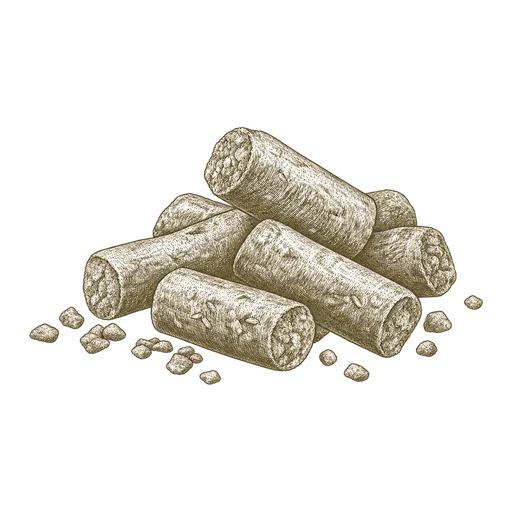
Moisture changes how much cranberry pomace material is delivered in each unit of weight. Wet pomace contains more water per unit of delivered weight than dried pomace, so a truckload or other bulk quantity of wet material generally represents less dry matter than the same weight of dried material. Comparing only price per ton can therefore obscure the amount of actual pomace solids being purchased.
Drying removes moisture and concentrates the remaining solids by weight. It does not make the wet and dried products interchangeable: the form affects transport, receiving, storage and how the ingredient is incorporated into a process or ration. Define the required form first, then compare analysis and price using a common basis.
As-received and dry-matter values answer different questions
An as-received analysis describes the material in the condition sampled, including its moisture. It is useful for understanding what arrives and for calculating how much of each measured component is present in the delivered weight. A dry-matter analysis removes the effect of water mathematically, making it easier to compare the composition of materials with different moisture levels.
Moisture and total solids are complementary ways to describe water content: total solids equal 100 percent minus moisture when both are reported on a percentage basis. To convert an as-received nutrient result to a dry-matter basis, divide the as-received value by the dry-matter fraction. For example, if dry matter is expressed as a fraction, use that fraction—not the percentage number—as the divisor. Keep the original result and the converted value labeled; conversion does not replace the laboratory result.
The basis matters in price and formulation calculations. A lower as-received protein or fiber value could reflect more water rather than a different nutrient profile in the solids. Conversely, comparing dry-matter values alone does not tell you how many pounds of solids arrive in a shipment. Buyers may need both views: dry matter for composition comparisons and as-received values for delivered-weight calculations.
Read the nutrient panel with its methods and units
Fiber, protein, fat and ash can help characterize cranberry pomace, but a number is meaningful only with its unit, basis and analytical method. Confirm whether each result is reported as received or on a dry-matter basis, and whether the unit is a percentage or another measure. A table that mixes bases can make unlike products appear comparable.
Fiber results especially need clear method names because different analytical measures do not necessarily describe the same fraction. Protein, fat and ash results also depend on the laboratory method used. When comparing offers or lots, use results produced or reported on a basis and method that can be aligned with your formulation or purchasing specification.
Do not infer a target composition from a generic ingredient description. Set acceptable requirements from the intended use, then compare the offered material’s actual analysis against them. If a value is missing, its absence is a question to resolve—not a value to estimate.
Make a like-for-like comparison
Build a comparison around the same product form, delivered quantity basis, moisture or total-solids measure, nutrient basis, units and analytical methods. Use lot-specific results for the material being offered, and check that the sample or certificate identifies the corresponding product and lot. This helps distinguish real composition differences from differences caused by water content, reporting conventions or laboratory methods.
For a cost comparison, calculate the dry matter represented by the quoted quantity using the reported dry-matter fraction. Then compare cost on a consistent basis, while accounting separately for freight, handling and any receiving or storage needs. This calculation is a comparison tool, not a substitute for confirming how the supplier’s quote defines the product and delivered quantity.
Turn the comparison into a purchase specification
Before requesting a quote, state whether you need wet or dried cranberry pomace, which measures matter for your application, and whether limits or target values apply on an as-received or dry-matter basis. Identify required methods and units where they are important to your process. This gives both parties a clear basis for evaluating the analysis rather than relying on an unlabeled nutrient panel.
Once the required form and analysis are defined, visit the [cranberry pomace sourcing page](/ingredients/cranberry-pomace) to explore sourcing. Exact lot results and commercial terms depend on the offered material and need to be reviewed for the specific order.
Common questions.
Why compare cranberry pomace on a dry-matter basis?+
Dry-matter values remove water from the comparison, helping buyers compare the composition of wet and dried material more consistently. Use as-received values as well when you need to calculate solids or nutrients in the delivered weight.
How do I convert an as-received result to a dry-matter basis?+
Divide the as-received result by the dry-matter fraction. The dry-matter fraction is total solids expressed as a decimal; if only moisture is given as a percentage, total solids are 100 percent minus moisture. Keep the converted result labeled and retain the original analysis.
Which analysis details should I compare for cranberry pomace?+
Compare moisture or total solids, fiber, protein, fat and ash where relevant to your use. For every result, check the basis, units and analytical method, and verify that lot-specific results correspond to the material being offered.