Grains
Alfalfa
Alfalfa is a forage legume sourced as hay, silage, meal or pellets for livestock feed. Match the form to receiving and ration needs, then compare a lot-specific analysis on a consistent basis.
Explore ingredientA cross-category guide to evaluating bulk ingredient quality through product identity, intended use, relevant testing, representative sampling and clear reporting basis.
Alfalfa is a forage legume sourced as hay, silage, meal or pellets for livestock feed. Match the form to receiving and ration needs, then compare a lot-specific analysis on a consistent basis.
Explore ingredientDry black beans are used in packaged foods, prepared dishes and canning. Compare whole versus broken or split composition, and assess canning performance separately when the beans will be processed.
Explore ingredientChicken fat is a rendered or extracted poultry fat used in animal feed and pet food. Compare its processing description and lot analysis, then match packaging, receiving, and storage plans to the specific product and intended formulation.
Explore ingredientCranberry pomace is a variable cranberry-processing coproduct used in food research and, in limited research, poultry diets. Compare wet, dried and processed forms by moisture, analysis basis and intended application.
Explore ingredientFish oil is a marine lipid used in compound aquafeeds. Compare its source, processing and lot-specific fatty-acid profile, then consider oxidation measures and liquid-oil receiving needs when planning a bulk order.
Explore ingredientKelp is a group of brown algae supplied in forms such as meal, granules, flakes and powder. For bulk feed or food ingredient sourcing, compare species, physical form and lot analysis—especially iodine for feed—then match packaging and storage to your operation.
Explore ingredientMango-derived feed ingredients range from peel and mixed residue to whole seed and kernel meal. Identify the material and its processing first: those differences affect composition, formulation, analysis and storage decisions.
Explore ingredientMaple peas are a specialty type of field pea sourced for markets including racing-pigeon food. Variety and lot can differ in seed-coat and cotyledon color, size and analysis, so buyers should specify the required form and compare lot-level details for the intended use.
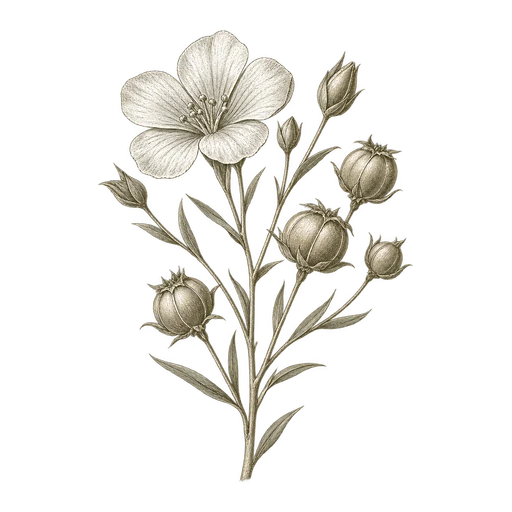
Explore ingredientMilled flaxseed is ground flaxseed used in feed and food formulations. Distinguish whole-seed meal from oil-extracted linseed meal, then compare analysis, particle size and handling needs for the intended use.
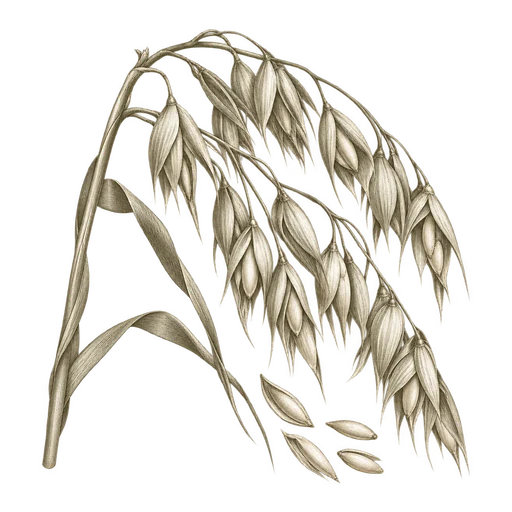
Explore ingredientOat groats are dehulled oat kernels used in food processing and feed formulations. Specify whole or cut form and processing history, then compare relevant quality measures on a consistent basis.
Explore ingredientOatmeal can mean rolled oats, another oat form, or a distinct feed milling fraction. Name the exact product and intended use, then compare the relevant quality details and receiving needs for a bulk order.
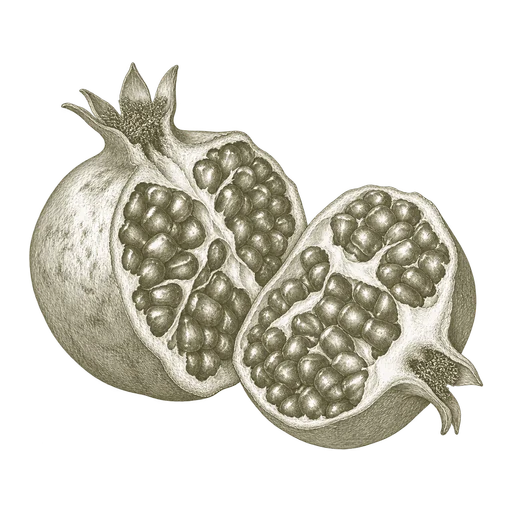
Explore ingredientPomegranate feed by-products can be fresh, dried or ensiled, with composition shaped by the fruit parts and processing. Identify the exact material and compare its moisture basis and analysis before evaluating it for a ruminant ration.
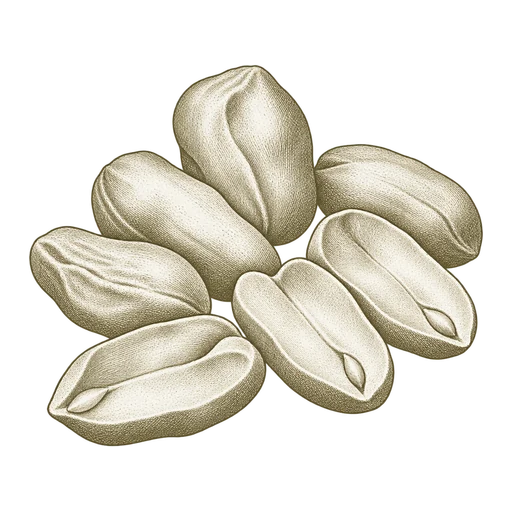
Explore ingredientRaw pickouts most likely means raw peanut kernels or pieces separated during processing, but the name does not define a standard grade. Compare the offered kernel form, sorting criteria and lot-specific testing—especially aflatoxin—against the intended use and receiving plan.
Explore ingredientRoasted pickouts is an imprecise name for roasted peanut material, not a defined grade. Clarify kernel form, skin content, processing, additives and lot-specific quality information before matching a bulk purchase to food processing or another intended use.
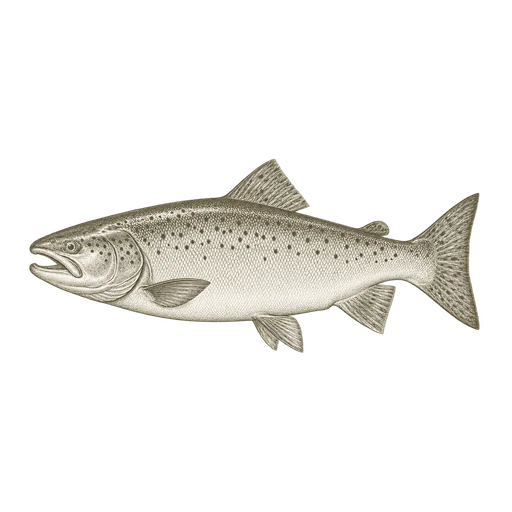
Explore ingredientSalmon oil is a fish-derived lipid used as a fat and long-chain omega-3 source in animal-food formulations. Compare source, processing, intended-use grade, fatty-acid profile and oxidation results, then match the offered oil’s packaging and handling directions to your receiving setup.
Explore ingredientSplit yellow peas are dehulled, split smooth yellow dry peas used as a food commodity and milled into flour for food formulations. Choose the form around the process, then compare relevant physical quality, analysis and receiving requirements.
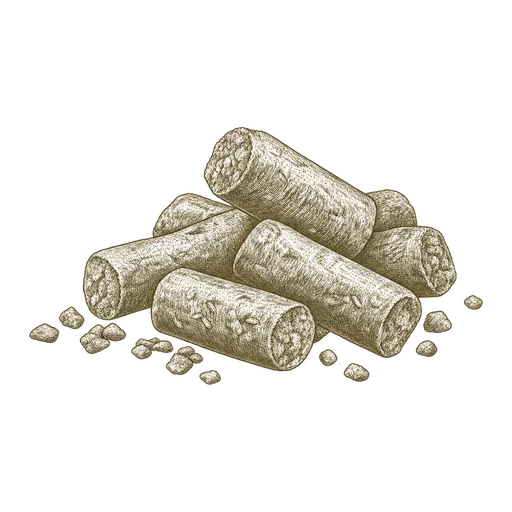
Explore ingredientTapioca pellets are a dried cassava-root feed ingredient used primarily as a carbohydrate and energy source in livestock rations. Their low protein content, variable composition and pellet-handling characteristics make ingredient identity, lot analysis and receiving equipment important parts of a bulk purchase.
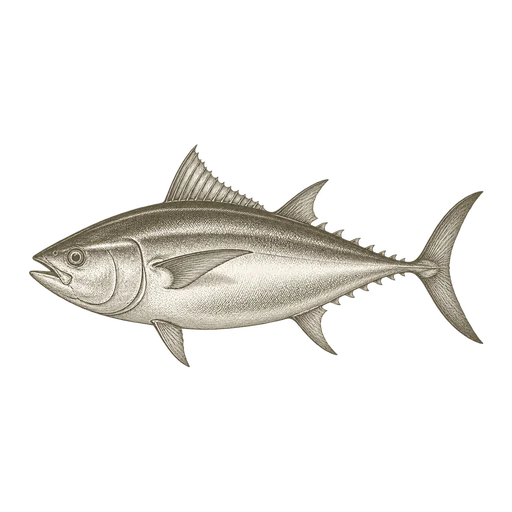
Explore ingredientTuna meal is a dried, ground fish ingredient used in feed formulations, including aquaculture diets. Its raw materials, processing, composition and physical form can differ, so compare lot analysis and handling requirements before arranging a bulk order.
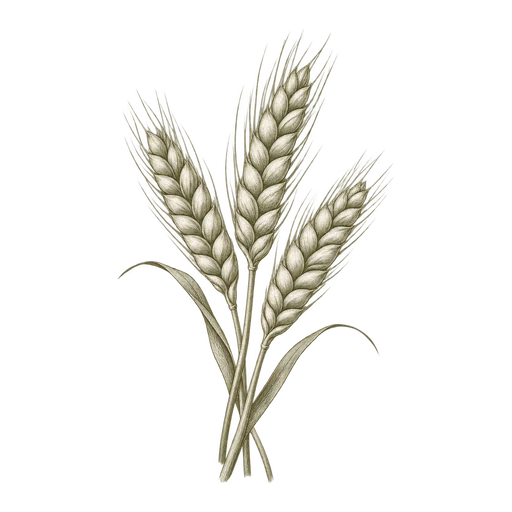
Explore ingredientWheat germ is a wheat-milling co-product used in food formulations and feed. Compare full-fat and defatted forms, processing history, and freshness measures to identify the material that fits your formulation and handling needs.
Explore ingredientWhey powder is a dried dairy ingredient used in food manufacturing and animal feed. Sweet and acid whey, and ordinary powder versus further-processed whey products, differ in composition and function—so match the product identity and lot analysis to the application.
Explore ingredientFeed yeast covers distinct whole-cell, live, culture, extract, and cell-wall products. Compare source, processing, viability, and nutrient analysis to choose the form that fits an animal-feed formulation and bulk receiving plan.
Explore ingredientIngredient quality is not one shared grade or score. This collection spans forage, beans, oils, fruit materials and other ingredients, so useful tests depend on the product’s identity, processing and intended use. A result supports only the attribute measured in the sample tested; it does not establish suitability for every formulation or market.
Start by defining the material and its end use. For alfalfa, crude protein, acid detergent fiber and neutral detergent fiber can help assess hay for livestock, but those measures are not universal criteria for every alfalfa form. For black beans, grading factors such as moisture, damage and foreign material apply in the context of the bean form and market.
For fish oil and chicken fat, nutritional composition and oxidation are distinct quality questions. Fish-oil buyers may need fatty-acid data and oxidation measures such as peroxide value or p-anisidine value. The appropriate methods and limits depend on whether the material is intended for feed, food or another use; a standard designed for one market should not automatically be applied to another.
For cranberry pomace, clarify whether the material is fresh, dried, extracted or blended before comparing specifications. Names such as kelp, mango, maple peas and roasted pickouts also need a clear identity and processing description: the name alone does not establish species or variety, form, or intended market.
Review a current lot specification and certificate of analysis alongside the sampling date, sampling method, test methods and reporting basis. Moisture basis matters because nutrient percentages can differ between as-received and dry-matter reporting. A representative composite sample is more informative than a handful taken from just one point in a bulk lot.
Match safety and storage questions to the ingredient and intended use. For feed materials, suitability for one animal-food use does not automatically establish suitability for another. For oils and fats, freshness and oxidation data should be considered alongside handling and storage conditions.
No. Quality criteria and test methods depend on the ingredient’s identity, processing, form and intended use.
Check the product and lot identity, sampling date and method, test methods, results, and whether values are reported as received or on a dry-matter basis.
Processing and form can change which specifications are relevant. For example, whole dry beans, broken beans and different forms of cranberry pomace should not be assumed to share identical criteria.
Not by itself. A result addresses the measured attribute in the tested sample; suitability still depends on the intended use and its requirements.
Focused guides to the specification, application, and delivery questions behind this ingredient.
Bulk feed yeast receiving depends on the offered form. Dry inactive yeast, live dry products, liquids and extracts require product-specific packaging, unloading and storage planning—especially when a live product carries a viability guarantee.
Read this InsightLive and inactive yeast answer different feed-formulation needs. Compare viability for products intended to supply live cells, and product identity and nutrient composition for inactive yeast ingredients.
Read this InsightFeed yeast specifications are meaningful only when product identity is clear. Compare source, organism, processing, activity status, and analytical basis before using protein, viable-cell, or functional-component measures to evaluate bulk offers.
Read this InsightPlan bulk whey powder receiving around the offered package, your facility’s unloading setup and dry, protected storage. Verify product-specific storage instructions and dated shelf-life details before delivery.
Read this InsightWhey powder adds a broader mix of dairy solids than whey protein concentrate or isolate. See how composition, dispersibility and baking conditions can shape a bakery trial, and what to compare before scaling.
Read this InsightCompare sweet and acid whey powder by processing identity first, then evaluate protein, lactose, fat, moisture, ash and acidity using consistent units, measurement bases and methods.
Read this Insight