Independent sourcing. Better connections.Commercial buyers · Bulk ingredients
tag

Fruit co-products

Fruit co-products are residues from fruit processing, not a single standardized ingredient. This collection brings together apple pomace and cranberry pomace; buyers should compare each separately, considering its processing form, lot-specific composition, preservation and intended use.

2 ingredients6 published Insights
EXPLORE THE COLLECTION

Fruit co-products ingredients

Starches/Fibers/Proteins

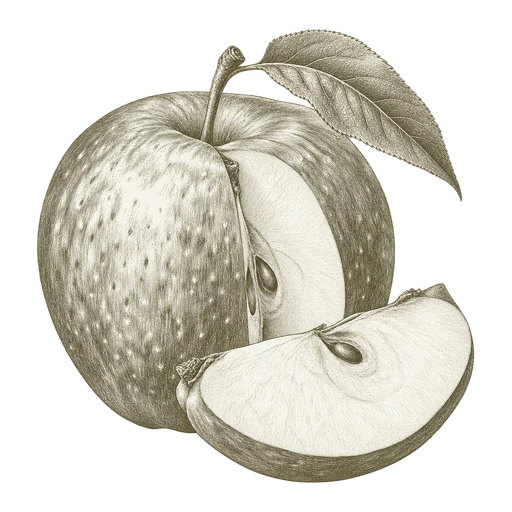
Apple Pomace

Apple pomace is an apple-pressing residue used in ruminant feed. Wet, dried and ensiled forms differ in moisture and preservation, so compare the actual form and lot analysis when assessing its role in a ration and planning bulk handling.

Explore ingredient
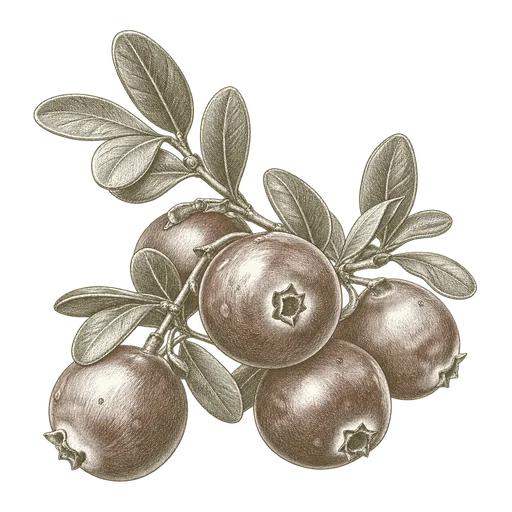
Two pomaces, different materials

Fruit co-products are residues from fruit processing, not a uniform ingredient class. Apple pomace is the pulp, peel, seeds and cores left after juice extraction. Cranberry pomace is a solid residue that retains skins and seeds. Their composition and intended uses differ, so one should not be substituted for the other on the assumption that they share a nutrient profile.

Form matters as well as fruit type. Apple pomace can be fresh, dried or ensiled; drying and ensiling preserve it in different ways. Confirm whether material is ordinary pomace or a residue from a further extraction process, and whether it contains added carriers or other ingredients.

What to check before buying in bulk

Ask for a lot-specific analysis and note whether results are reported as received or on a dry-matter basis. Moisture or dry matter, protein, fiber fractions, fat and ash can help buyers assess material against their intended use. Published values are not a substitute for the analysis of the lot being considered.

For wet apple pomace, establish its preservation status and storage and transport requirements because high moisture makes it perishable. For either pomace, document the source process, product form and intended end use. Feed formulations should account for the ingredient’s measured composition rather than rely on a generic pomace profile.

Common questions.

Are apple pomace and cranberry pomace interchangeable?+

No. They come from different fruit-processing streams and have distinct compositions. Evaluate each material against its own lot analysis and intended use.

Which quality details should buyers request?+

Request moisture or dry matter, nutrient analysis with the reporting basis, processing history, and details of any blending or added ingredients.

Why does apple pomace form matter?+

Fresh, dried and ensiled pomace differ in preservation and handling needs. Fresh, high-moisture material is perishable, so buyers should confirm its preservation status and logistics.

Do trial feeding rates establish a general formulation recommendation?+

No. Results from a specific species, diet and study setup are not universal inclusion guidance. Formulate using lot-specific analysis and advice suited to the animal and ration.

Fruit co-products · BUYER INSIGHTS

Go deeper before you source.

Focused guides to the specification, application, and delivery questions behind this ingredient.

FIELD GUIDE01Fruit co-products
Buyer’s guide

Planning bulk receiving and storage for cranberry pomace

Plan a bulk cranberry pomace delivery around the offered form—wet press cake or dried material—then align quantity basis, packaging, unloading and storage with your facility.

Read this Insight
FIELD GUIDE02Fruit co-products
Buyer’s guide

What to evaluate when using cranberry pomace in yogurt

Cranberry pomace powder can add fruit-derived solids and fiber to yogurt, but its particle size, moisture and hydration behavior affect dispersion and texture. Evaluate the actual powder in the intended formulation before scaling.

Read this Insight
FIELD GUIDE03Fruit co-products
Buyer’s guide

How to compare moisture and analysis in cranberry pomace

A practical guide to comparing wet and dried cranberry pomace by moisture, delivered solids and consistently reported analysis.

Read this Insight
FIELD GUIDE04Fruit co-products
Buyer’s guide

Planning receiving and storage for wet apple pomace

Plan a wet apple pomace order around quantity, timing, receiving capacity, and a preservation method. Fresh pomace is perishable; unloading and storage arrangements should follow directions for the actual product.

Read this Insight
FIELD GUIDE05Fruit co-products
Buyer’s guide

Apple pomace for dairy cattle: why form matters

Apple pomace guidance is form-specific. Learn why chips without hulls, wet, dried and ensiled pomace should not be treated as interchangeable when evaluating an analysis and planning a dairy cattle ration.

Read this Insight
FIELD GUIDE06Fruit co-products
Buyer’s guide

How to compare apple pomace feed analysis and dry matter

Compare apple pomace analyses on a consistent basis. Learn how moisture, dry matter, crude protein, ADF and energy estimates inform lot-to-lot decisions.

Read this Insight