Independent sourcing. Better connections.Commercial buyers · Bulk ingredients
tag

Fruit pomace

Fruit pomace is a broad term for solid material left after fruit processing, not a single standardized ingredient. This collection includes Cranberry Pomace, Cherries, and Kiwi, but the member labels do not establish that every item is pomace. Fruit type, process, and condition can change composition and handling. Buyers should verify product identity, form, moisture, and analysis for the specific offering, then assess whether its documented intended use fits their application.

6 ingredients6 published Insights
EXPLORE THE COLLECTION

Fruit pomace ingredients

Dried Fruits

Cherries

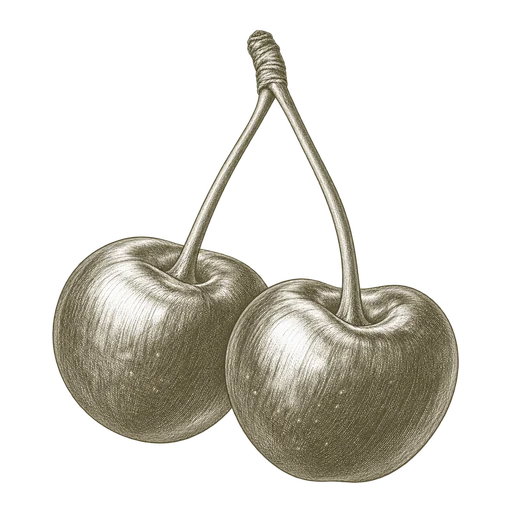
Bulk cherries may mean whole fruit, processed cherries or a distinct fraction such as pomace. Identify sweet or sour cherry and the processing form first; these choices affect product use, quality checks and the specifications needed for a useful quote.

Explore ingredient
Dried Fruits

Cranberry Powder

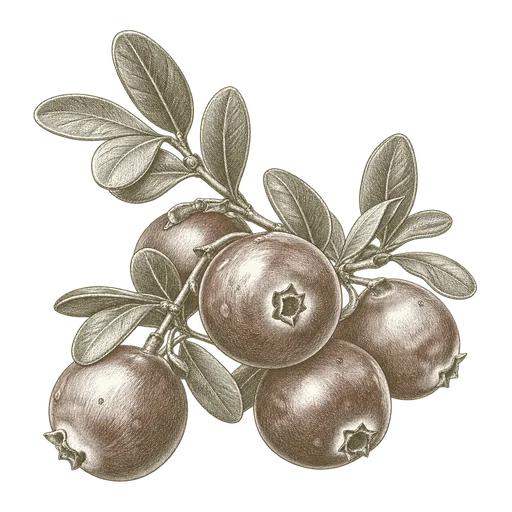
Cranberry powder may be ground whole fruit, dried juice pomace or a pomace extract, and those forms differ in composition and use. Compare ingredient declarations, processing and relevant quality measures before choosing a bulk product for a food formulation.

Explore ingredient
Dried Fruits

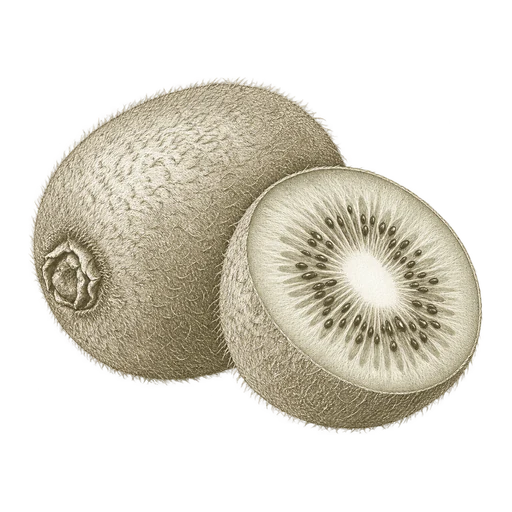
Kiwi

Bulk kiwi can mean whole fruit, puree, dried fruit, peel, pomace, or extracted fiber. Specify the form and processing history, then compare analysis on a consistent basis and match receiving and storage plans to the product.

Explore ingredient
Dried Fruits

Pears

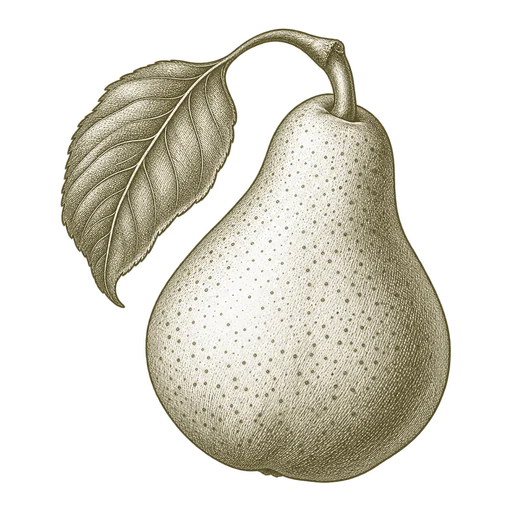
Pears are sourced as whole fresh fruit and as distinct processing products such as pulp, pomace and silage. Identify the form and intended use first: fresh-fruit maturity and handling requirements differ from feed-by-product analysis, receiving and storage needs.

Explore ingredient
Dried Fruits

Raspberries

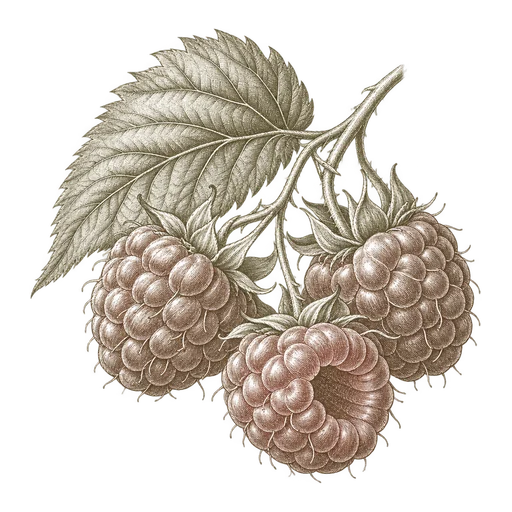
Bulk raspberries can mean frozen whole fruit or a distinct processing by-product such as raspberry pomace. Identify the form first, then compare quality criteria or analysis suited to its intended use.

Explore ingredient

A broad term, not one standard ingredient

Fruit pomace generally refers to the solid material remaining after fruit is pressed or otherwise processed. It can contain different proportions of flesh, peel, seeds, and other fruit parts, so its composition depends on both the fruit and the process.

This collection includes Cranberry Pomace alongside Cherries and Kiwi. The latter two names do not, by themselves, establish that a listed item is pomace. Check each product’s identity and form rather than treating every collection member as the same processing co-product.

Fruit and processing shape the material

Cranberry Pomace is explicitly identified as pomace, while cherry pomace and kiwi pomace are processing materials that differ in composition and form. Fresh, dried, and milled materials are not interchangeable by weight: moisture and processing affect how much dry material is present and how it handles.

Published analyses and feeding studies describe particular samples and conditions, not guaranteed characteristics of commercial lots. If a formulation depends on fiber, protein, fat, ash, seeds, or other constituents, use current product-specific information rather than values from a different fruit or study.

Match specifications to the intended use

Before comparing bulk offers, establish whether the material is whole or extracted, how it was stabilized, and whether it is intended for food or feed use. Food-related research or a feed trial does not establish that a particular commercial offering is suitable for either market.

Compare lots on a consistent basis. Ask for moisture and a current analysis, plus particle size and relevant composition details. For feed use, evaluate the analysis in the context of the target species and full ration; a published trial inclusion rate is not a general formulation recommendation.

Common questions.

Does fruit pomace mean the same thing for cranberry, cherry, and kiwi?+

No. Fruit type and processing determine what the material contains. Confirm the exact product identity, process, and form for each offering.

Are all items in this collection pomace?+

Not necessarily. Cranberry Pomace is named as pomace; the Cherries and Kiwi labels alone do not establish that form.

Can fresh and dried pomace be compared by bulk weight?+

Not reliably without moisture data and a stated reporting basis. Compare analyses on a consistent basis suited to your use.

Can a feeding-trial rate be used as a general buying recommendation?+

No. Trial results apply to a particular ingredient, species, diet, and study conditions. Use product documentation and qualified formulation advice.

Fruit pomace · BUYER INSIGHTS

Go deeper before you source.

Focused guides to the specification, application, and delivery questions behind this ingredient.

FIELD GUIDE01Fruit pomace
Buyer’s guide

Planning Receiving and Storage for Frozen Raspberries

Plan a bulk frozen-raspberry order around your site's frozen-storage capacity, receiving setup, packaging constraints, delivery timing and lot-specific handling information. Review food-safety documentation separately from grade or appearance.

Read this Insight
FIELD GUIDE02Fruit pomace
Buyer’s guide

Frozen Raspberries for Direct Use or Manufacturing

The right quality questions for frozen raspberries depend on whether the fruit will be presented directly or used in manufacturing. Compare appearance, condition, flavor, and odor against a clearly defined specification—not an unexplained grade label.

Read this Insight
FIELD GUIDE03Fruit pomace
Buyer’s guide

How to Compare Raspberry Pomace Analysis

Compare raspberry pomace analyses by matching the residue, processing history and reporting basis before interpreting moisture, protein, fat, fiber, ash or particle-size results.

Read this Insight
FIELD GUIDE04Fruit pomace
Buyer’s guide

Bulk pear pomace receiving and storage decisions

Plan bulk pear pomace delivery around its specific form, order basis, unloading setup and storage conditions. Wet, dried and ensiled material require different receiving decisions.

Read this Insight
FIELD GUIDE05Fruit pomace
Buyer’s guide

Pear pomace in cattle and sheep rations: questions to resolve

Pear pomace can be evaluated as a cattle or sheep ration component, but its role depends on the specific product, lot analysis and ration context. Distinguish the offered form and intended species before making formulation or sourcing decisions.

Read this Insight
FIELD GUIDE06Fruit pomace
Buyer’s guide

Pear pomace quality analysis: what feed buyers should compare

Compare pear pomace for ruminant feed by aligning moisture and nutrient results on the same analytical basis, then interpreting protein, fiber, sugars, ash and condition in the context of a current lot.

Read this Insight