Grains
Alfalfa
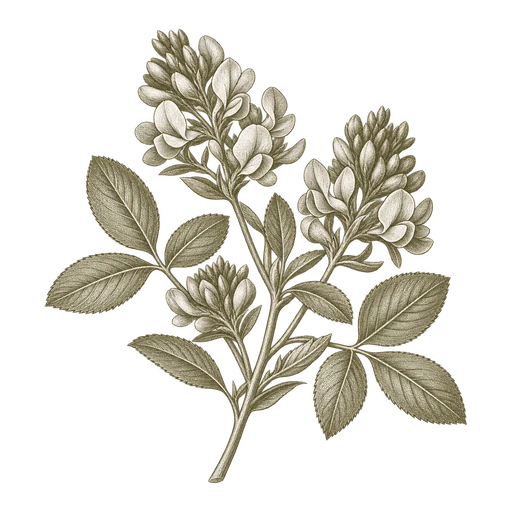
Alfalfa is a forage legume sourced as hay, silage, meal or pellets for livestock feed. Match the form to receiving and ration needs, then compare a lot-specific analysis on a consistent basis.
Explore ingredientLoose and pelleted cottonseed hulls differ in bulkiness and receiving needs. Compare the form with your storage capacity and unloading setup, and include lot moisture information in storage planning.
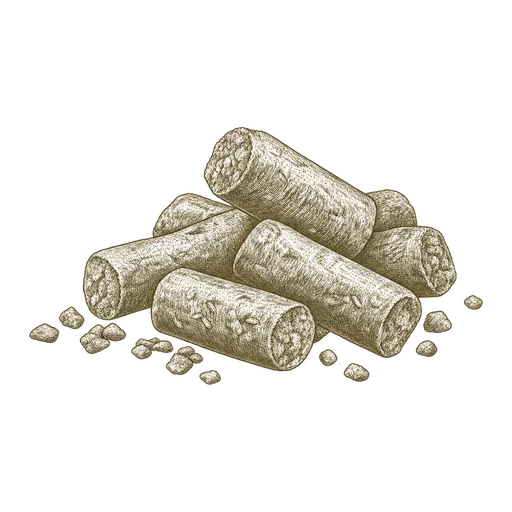
Bulk cottonseed hulls are available in loose or pelleted form, and the difference affects how much storage space an order needs and how it can be received. Loose hulls are bulky for their weight, so a given quantity can take up substantial volume. Pelleting compresses the material, generally reducing the space required for the same weight. The tradeoff is that the receiving and handling setup must suit pellets rather than loose material.
Start by identifying the form your feed operation can handle. A facility arranged for loose material may not be equipped to receive pellets in the same way, and the reverse is also true. Naming the form early helps prevent a quote from being based on a product your site cannot unload, store or move into the feed process.
Tonnage alone does not tell you whether the product will fit. Storage capacity depends on the quantity ordered and the product's bulk density, which can differ between loose hulls and pellets. Ask for the applicable bulk-density information when planning bin or bay capacity; avoid using one form's volume estimate for the other.
Also consider what space must remain accessible during receiving. The delivery point, unloading route and available storage opening all influence whether the product can reach its intended location without disrupting other feed operations. If your site has a strict capacity limit, share it along with the order quantity so that the required volume can be evaluated before shipment arrangements are considered.
Before placing an order, describe how your facility receives bulk feed ingredients. Specify the unloading connection or equipment available, where a vehicle can position, and any access or operating constraints. These details help a broker evaluate whether the contemplated shipment arrangement is compatible with the site; a delivery method should not be assumed from the word “bulk.”
For pelleted hulls, discuss handling through your receiving and conveying system, including whether the equipment is appropriate for the offered pellet form. Mechanical handling can affect pellet condition, so a buyer who needs pellets to remain intact should include that concern when discussing product and receiving requirements. For loose hulls, emphasize the space and equipment needed to move a bulky material into storage.
Moisture information matters because dampness can contribute to deterioration and mold in stored feed ingredients. Request the moisture information for the lot being offered and consider it alongside your storage conditions. The information helps you assess the product and plan handling, but it does not by itself establish a universal storage period: that also depends on the product's condition and how it is protected and managed after receipt.
Keep cottonseed hulls protected from water exposure and avoid introducing wet material into dry storage. Plan to keep the storage area clean and to limit unnecessary exposure during unloading and movement. On arrival, follow your receiving procedures for checking product condition and isolating any material that does not meet the requirements agreed for the order.
For a useful sourcing discussion, provide the form—loose or pelleted—the requested quantity and unit, the delivery destination, and the timing you need. Add the receiving method, storage capacity or other site limits, and any constraints on vehicle access or unloading. These details affect whether the order can be matched to your operation, not just how it is priced.
State the quality information that matters to your feed program, including the moisture information you need to assess storage. Exact lot analysis, packaging, shipment arrangements, timing and freight pricing depend on the specific offer and destination. For the product overview and a sourcing request, visit the [Cottonseed Hulls page](/ingredients/cottonseed-hulls).
Generally, yes: pelleting compresses the hulls, so the same weight typically takes up less volume than loose material. Use bulk-density information for the form being offered when estimating capacity; do not assume one form's storage calculation applies to the other.
Ask for the moisture information associated with the offered lot and consider it alongside your storage conditions. Moisture can contribute to deterioration and mold, but it does not establish a universal shelf life or storage limit.
Provide the form, quantity and unit, destination, requested timing, and how your facility receives and stores the material. Include access or unloading constraints and the quality information, including moisture details, relevant to your feed operation.
Focused guides to the specification, application, and delivery questions behind this ingredient.
Cottonseed hulls can contribute roughage in some high-concentrate beef diets or replace part of the forage-fiber contribution in dairy rations. Their low protein and effect on whole-ration energy balance make the intended use and cattle class central to the decision.
Read this InsightA practical guide to comparing cottonseed hull analyses, from moisture basis and fiber measures to energy estimates, minerals and residual seed content.
Read this InsightAlfalfa is a forage legume sourced as hay, silage, meal or pellets for livestock feed. Match the form to receiving and ration needs, then compare a lot-specific analysis on a consistent basis.
Explore ingredientAlfalfa meal is ground forage used in animal feed, with sun-cured and dehydrated processing routes and meal or pellet forms. Compare the offered process, physical form and analysis against the needs of the species and feed formulation.
Explore ingredientAlfalfa pellets are ground, compressed forage used in livestock feeding and compound feeds. Compare the drying process, alfalfa material, forage analysis and pellet characteristics to choose a form that fits your ration and receiving setup.
Explore ingredientBeet pulp pellets are a dried, compacted sugar beet co-product used as a fibrous, energy-bearing ingredient in livestock feed. Compare molasses status, lot analysis and pellet handling needs to match the product to your ration and receiving setup.
Explore ingredient