Independent sourcing. Better connections.Commercial buyers · Bulk ingredients
tag

Roughage

Roughage here refers to three plant-hull by-products: cottonseed hulls, cottonseed hull pellets and peanut hull pellets. These are potential cattle-ration roughage ingredients, not complete feeds. Hull source and physical form matter: loose hulls and pellets can differ in handling and effective fiber. Buyers should compare lot analysis on a dry-matter basis and assess ration fit with a qualified cattle nutritionist.

3 ingredients6 published Insights
EXPLORE THE COLLECTION

Roughage ingredients

Feed Ingredients

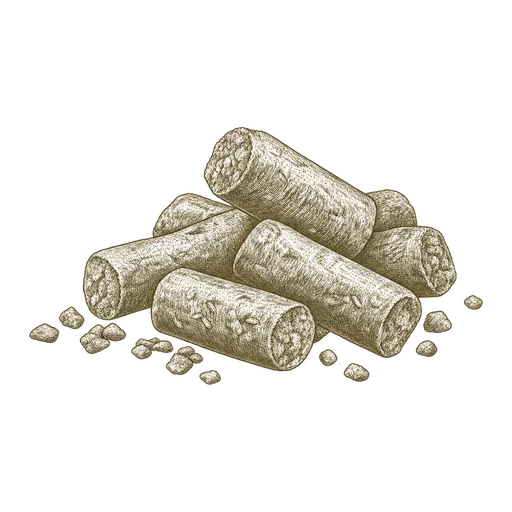
Cottonseed Hull Pellets

Cottonseed hull pellets are a pelleted cotton-processing co-product used as roughage in cattle diets. Compare the actual ingredient declaration and lot analysis, and match the product's physical characteristics to your ration and receiving setup.

Explore ingredient
Feed Ingredients

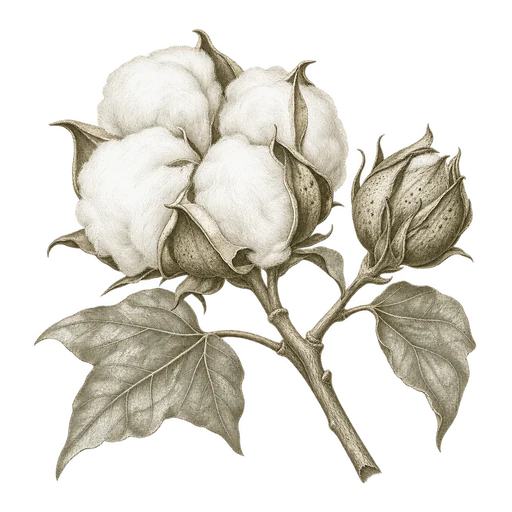
Cottonseed Hulls

Cottonseed hulls are a fibrous cattle-feed ingredient supplied loose or pelleted. Compare form, lot analysis, and receiving capacity to determine how the hulls fit a cattle ration and bulk handling plan.

Explore ingredient
Feed Ingredients

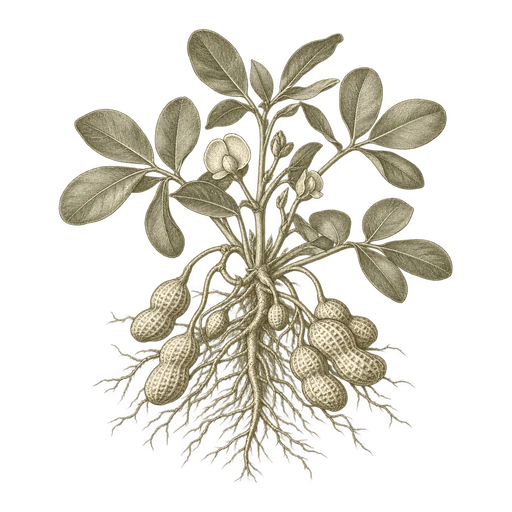
Peanut Hull Pellets

Peanut hull pellets are a processed peanut-shell by-product used as high-fiber roughage in beef cattle rations. Compare lot analysis and pellet characteristics, since processing changes effective fiber and the right role depends on the complete ration.

Explore ingredient

What this roughage collection includes

This collection groups three plant-hull by-products: Cottonseed Hulls, Cottonseed Hull Pellets and Peanut Hull Pellets. They are potential roughage ingredients for cattle diets, not complete feeds. Their place in a ration depends on the animal, the other feed components and the material’s actual analysis.

The forms are not interchangeable by name alone. Cottonseed hulls are loose fibrous material, while the listed cottonseed and peanut products are pellets. Confirm the pellet’s physical specifications and ingredients; the product name alone does not establish how it was processed or what else it contains.

How hull type and processing affect the choice

Cottonseed hulls are a highly fibrous, poorly digested roughage and are low in crude protein, phosphorus and calcium. Their use in some cattle rations does not make them a source of balanced nutrition. Loose hulls also have low bulk density, which can affect transport and handling.

Peanut hulls are generally considered low-quality roughage. Processing matters: pelleting or grinding can change effective fiber value, so do not assume peanut hull pellets perform like unprocessed hulls or like cottonseed hulls. Published peanut-hull energy values differ, making a representative analysis more useful than a generic book value.

What to check before buying

Compare material on a dry-matter basis when moisture differs. Request lot-specific moisture and nutrient results, including crude protein, fiber and an energy estimate such as TDN; have a nutritionist identify any additional tests needed for the intended ration. Compare delivered cost against dry matter or the nutrient being purchased, not only the as-fed ton price.

Confirm loose or pelleted form, pellet dimensions and fines, bulk density, and whether the product fits your receiving and storage equipment. Check condition and visible foreign material, and review relevant contaminant testing. A qualified cattle nutritionist should determine ration inclusion rather than applying a general percentage across animals or hull products.

Common questions.

Are cottonseed and peanut hull products nutritionally equivalent?+

No. The hull sources differ, and processing can change effective fiber. Use product- and lot-specific analysis to assess the material for a cattle ration.

Does pelleting make hulls a better roughage?+

Not necessarily. Pelleting can change handling characteristics, but processing may also reduce peanut hulls’ effective fiber value. Confirm physical specifications and discuss ration fit with a nutritionist.

Can these hull products replace hay?+

They have been used in selected cattle diets, but that does not establish a universal hay-replacement use. Suitability depends on the ration, cattle class, processing and lot analysis.

Which analysis should buyers request?+

Start with moisture or dry matter, crude protein, fiber and an energy estimate. Ask a qualified nutritionist whether the intended ration requires additional nutrient or contaminant testing.

Roughage · BUYER INSIGHTS

Go deeper before you source.

Focused guides to the specification, application, and delivery questions behind this ingredient.

FIELD GUIDE01Roughage
Buyer’s guide

Planning receiving and storage for bulk peanut hull pellets

Plan a peanut hull pellet order around your site’s quantity, timing, unloading equipment and storage conditions. Knowing which lot-specific details to request helps prevent receiving and material-flow surprises.

Read this Insight
FIELD GUIDE02Roughage
Buyer’s guide

Peanut hull pellets in cattle rations: the effective-fiber question

Peanut hull pellets supply processed fiber, but their compact form is not equivalent to long-stem hay. Understand the physical-fiber distinction and discuss the pellets’ role in the full cattle ration with a ruminant nutritionist.

Read this Insight
FIELD GUIDE03Roughage
Buyer’s guide

How to compare peanut hull pellets by analysis and basis

A practical guide to comparing peanut hull pellet analyses: align moisture basis, units and nutrient definitions before comparing values, and evaluate energy figures and pellet condition in context.

Read this Insight
FIELD GUIDE04Roughage
Buyer’s guide

Cottonseed Hulls: Bulk Storage and Receiving Planning

Loose and pelleted cottonseed hulls differ in bulkiness and receiving needs. Compare the form with your storage capacity and unloading setup, and include lot moisture information in storage planning.

Read this Insight
FIELD GUIDE05Roughage
Buyer’s guide

Cottonseed Hulls in Beef and Dairy Rations

Cottonseed hulls can contribute roughage in some high-concentrate beef diets or replace part of the forage-fiber contribution in dairy rations. Their low protein and effect on whole-ration energy balance make the intended use and cattle class central to the decision.

Read this Insight
FIELD GUIDE06Roughage
Buyer’s guide

Cottonseed Hulls Analysis: Which Measures Matter?

A practical guide to comparing cottonseed hull analyses, from moisture basis and fiber measures to energy estimates, minerals and residual seed content.

Read this Insight