Fiber for cattle rations
Hulls provide a fibrous roughage ingredient used in some high-concentrate beef diets and as partial forage-fiber replacement in dairy rations. Their role depends on the complete ration.
Ingredient intelligence · quote-ready sourcing
Also searched as Cotton hulls
Cottonseed hulls are a fibrous cattle-feed ingredient supplied loose or pelleted. Compare form, lot analysis, and receiving capacity to determine how the hulls fit a cattle ration and bulk handling plan.
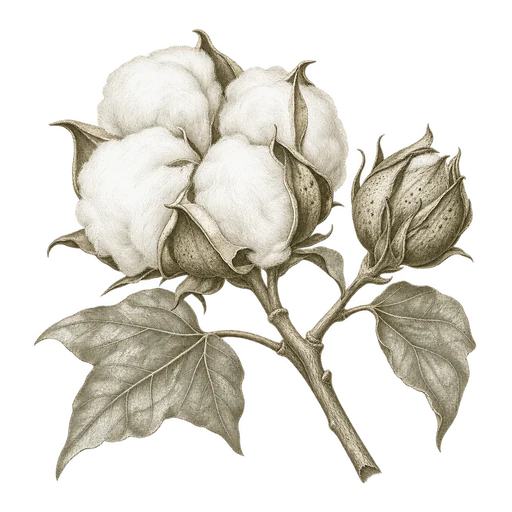
Cottonseed hulls are the outer coverings removed during cottonseed processing to recover oil and meal. They are distinct from whole cottonseed, cottonseed meal, and cotton gin trash, which have different composition and feed roles.
The fibrous material is sold loose or pelleted. Separation methods affect residual seed material, and the offered lot can vary in composition. Form and lot analysis therefore answer different questions: form informs handling, while analysis informs ration evaluation.
Hulls provide a fibrous roughage ingredient used in some high-concentrate beef diets and as partial forage-fiber replacement in dairy rations. Their role depends on the complete ration.
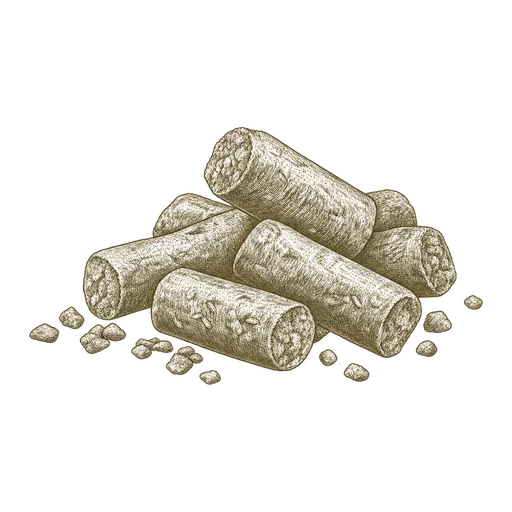
Loose hulls are bulky, while pelleting compresses the material and makes it more convenient to handle and transport. The form affects storage space and receiving arrangements.
Residual seed material and processing differences can affect composition. Moisture or dry matter, protein, fiber, energy, and mineral results help nutrition teams assess the specific lot.
| Characteristic | Why it matters |
|---|---|
| Physical form | Loose hulls are bulky; pellets are compressed. Form affects storage space and receiving equipment. |
| Moisture or dry matter | Moisture affects the amount of dry feed delivered and is relevant to storage deterioration risk. |
| Crude protein and fiber | These measures help characterize the ingredient’s role in a cattle ration. |
| Energy estimate | An energy measure such as total digestible nutrients helps compare the lot with ration needs. |
| Residual seed material | Separation affects how much seed material remains and can influence composition. |
Composition varies among sources. Use representative lot analysis for formulation; typical reference values are not guaranteed specifications.
For beef cattle, cottonseed hulls are used as a roughage source, particularly in grain-based, high-concentrate diets. They can also serve as an intake regulator in some self-fed high-grain programs. The appropriate role depends on the complete ration and production context, so the ingredient should be evaluated with a nutritionist rather than assigned a universal inclusion rate.
Hulls are low in protein and are not a balanced feed on their own; calcium and phosphorus are also relevant to ration evaluation. For dairy cattle, hulls can partially replace forage fiber, but the ration may need an additional energy source. In either case, the lot’s analysis and the rest of the diet determine how the ingredient fits.
Cottonseed hulls are a bulky, high-fiber, relatively low-energy feed. Typical reference analyses are not guarantees for an offered load: values vary among sources, and a representative lot sample is the useful basis for formulation. Compare results on a consistent moisture basis so differences between offers are meaningful.
Moisture deserves attention because it affects dry matter and can increase deterioration or spoilage risk in storage. Hulls’ bulkiness also affects the space and receiving setup needed, especially for loose material. There is no single storage-life assumption that applies to every lot and facility; plan around the product’s moisture, form, packaging, and site conditions.
Specify loose or pelleted hulls, the quantity and unit, delivery destination, and timing. Include the receiving method and storage capacity: loose hulls can require considerably more space than their weight alone suggests, while pellets have a different handling form. These details help the broker evaluate the product and freight together.
For a quote, also state the quality measures your feed program needs, such as moisture or dry matter, crude protein, fiber, energy estimate, minerals, and residual seed content. Commercial terms, available packaging, and delivery arrangements depend on the offered lot and route; provide the requirements that matter at your facility.
Cottonseed hulls can supply roughage in beef diets, particularly grain-based, high-concentrate rations. Their low protein content and the rest of the ration matter when determining how they fit.
Hulls can serve as an intake regulator in some self-fed high-grain programs. This role is specific to the diet and management context, not a universal feeding direction.
Hulls can partially replace forage fiber in dairy diets. The ration may need another energy source, so compare the hull analysis with the complete formulation.
Specify loose or pelleted cottonseed hulls, quantity and unit, destination, and timing. The form matters because loose material is bulky and affects the space needed for the order.
Describe how the facility unloads and stores feed, including available space and any packaging or bulk-handling requirements. These details help evaluate a shipment against the receiving setup without assuming a particular delivery method.
Include the intended storage arrangement and the offered product’s moisture information in the handling plan. Moisture can increase deterioration or spoilage risk, and the hulls’ bulkiness affects the space required.
Alfalfa is a forage legume sourced as hay, silage, meal or pellets for livestock feed. Match the form to receiving and ration needs, then compare a lot-specific analysis on a consistent basis.
Explore ingredientAlfalfa meal is ground forage used in animal feed, with sun-cured and dehydrated processing routes and meal or pellet forms. Compare the offered process, physical form and analysis against the needs of the species and feed formulation.
Explore ingredientAlfalfa pellets are ground, compressed forage used in livestock feeding and compound feeds. Compare the drying process, alfalfa material, forage analysis and pellet characteristics to choose a form that fits your ration and receiving setup.
Explore ingredientBeet pulp pellets are a dried, compacted sugar beet co-product used as a fibrous, energy-bearing ingredient in livestock feed. Compare molasses status, lot analysis and pellet handling needs to match the product to your ration and receiving setup.
Explore ingredientThey are a fibrous roughage ingredient used especially in some grain-based, high-concentrate beef diets. They can also partially replace forage fiber in dairy rations. Their low protein content means they should be evaluated as part of a complete ration, not as a balanced feed on their own.
Loose hulls are bulky and require more storage and transport volume. Pelleting compresses the material for more convenient handling and transport. Neither form by itself guarantees a particular nutrient analysis, so compare the offered lot’s analysis as well as its physical form.
Identify whether the material is loose or pelleted and request analysis relevant to your ration, including moisture or dry matter, crude protein, fiber, and an energy estimate. Also clarify residual seed content, quantity, destination, receiving method, and storage capacity.
Send your volume, destination, and key specifications. A broker can follow up with availability and commercial terms.