Grains
Alfalfa
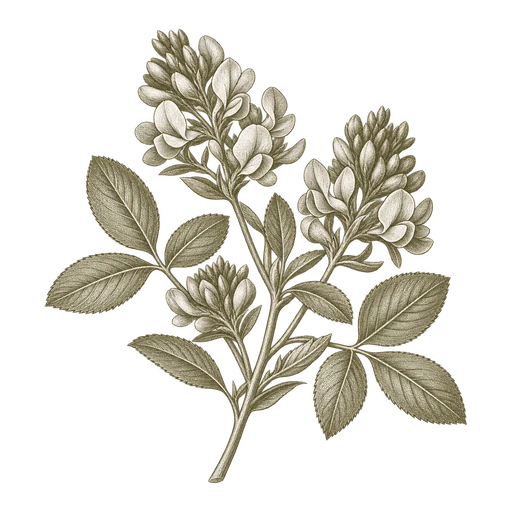
Alfalfa is a forage legume sourced as hay, silage, meal or pellets for livestock feed. Match the form to receiving and ration needs, then compare a lot-specific analysis on a consistent basis.
Explore ingredientA practical guide to comparing cottonseed hull analyses, from moisture basis and fiber measures to energy estimates, minerals and residual seed content.
A cottonseed hull analysis is useful only when you know how its values are reported. An as-fed result describes the material as delivered, including its moisture. A dry-matter result removes that moisture from the comparison, making it easier to distinguish differences in composition from differences in water content.
When comparing two offers or reviewing a ration, put the analyses on the same basis before drawing conclusions. Otherwise, a wetter lot can appear lower in nutrients simply because each pound contains less dry material. Moisture or dry matter also helps assess how much usable dry ingredient a delivered quantity represents. Check whether the lab report identifies the basis for each reported measure rather than assuming all rows use the same one.
Crude protein is a broad measure of nitrogen-containing material, not a complete description of protein value or availability. For cottonseed hulls, it can help identify compositional differences between lots, particularly when hulls contain differing amounts of residual cottonseed material. It should be interpreted alongside the rest of the analysis and the intended ration.
Fiber measures describe another important part of the hull profile. A report may include crude fiber or detergent fiber measures such as NDF and ADF; these are different methods and are not interchangeable. NDF and ADF can help nutrition professionals characterize fiber fractions for ration comparison. Use the same method when comparing lots, and avoid treating a single fiber figure as a complete prediction of feeding value.
Energy is generally an estimate derived from composition and a calculation method, rather than a direct measurement that is identical across every report. The estimate can depend on the analytical inputs and the model used. For that reason, compare energy values only when the reports use a compatible basis and method, and have a nutrition professional assess whether the estimate fits the animals and ration under consideration.
Ash indicates total mineral residue, while individual mineral results can help answer more specific formulation questions. An ash value does not show which minerals are present or in what proportions. Request individual mineral measures when they matter to the ration, and compare them on a consistent basis. No single mineral panel is automatically necessary for every purchase; its value depends on the buyer’s formulation needs.
Cottonseed hulls are separated from cottonseed during processing, and the amount of residual seed material can differ with processing and lot characteristics. That material can affect the measured composition, including protein and energy-related values, so two lots both sold as hulls need not have identical analyses.
Ask whether the lot documentation describes residual seed material or provides a relevant analytical measure. A visual description alone does not replace a laboratory analysis, and a laboratory result should identify what was measured and how. If a supplier provides a reference analysis rather than results for the offered lot, treat it as an illustration—not as a guarantee of the material being quoted.
For a useful comparison, line up the sample or lot identity, test date, moisture basis, analytical methods and reported units. Look for protein, the fiber measures relevant to your ration, moisture or dry matter, and any energy or mineral data your nutritionist needs. Record whether the result is an actual lot analysis or a general reference value.
If analyses differ, first check the basis and methods, then consider processing and residual seed content as possible reasons. A lower or higher number is not automatically better: its significance depends on the ration, receiving plan and the rest of the ingredient profile. For a product overview and a sourcing route, see the Cottonseed Hulls page.
Start with moisture or dry matter, crude protein and the fiber measures used in your ration evaluation. Add energy estimates, minerals or a measure of residual seed material when they affect your formulation decision. Ask for the basis, method and lot identity so results can be interpreted and compared.
Dry-matter comparison separates compositional differences from variation in moisture. As-fed values describe the ingredient as delivered, so differences in water content can affect the apparent nutrient concentration. Keep the original reporting basis visible and use a consistent basis for comparisons.
No. A reference analysis describes a typical or illustrative profile, not necessarily the lot being offered. For purchase decisions, distinguish reference information from representative lot documentation and review its sample identity, test basis and methods.
Focused guides to the specification, application, and delivery questions behind this ingredient.
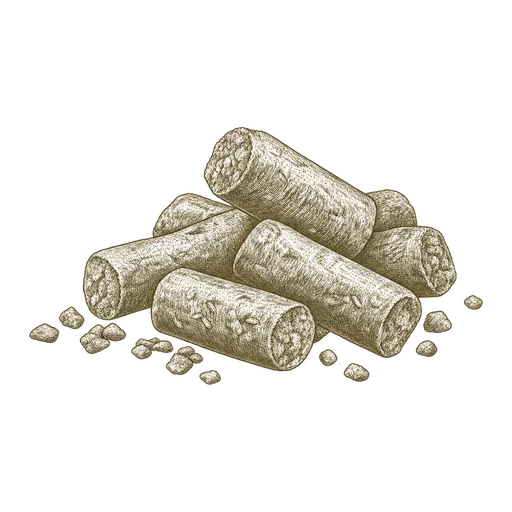
Loose and pelleted cottonseed hulls differ in bulkiness and receiving needs. Compare the form with your storage capacity and unloading setup, and include lot moisture information in storage planning.
Read this InsightCottonseed hulls can contribute roughage in some high-concentrate beef diets or replace part of the forage-fiber contribution in dairy rations. Their low protein and effect on whole-ration energy balance make the intended use and cattle class central to the decision.
Read this InsightAlfalfa is a forage legume sourced as hay, silage, meal or pellets for livestock feed. Match the form to receiving and ration needs, then compare a lot-specific analysis on a consistent basis.
Explore ingredientAlfalfa meal is ground forage used in animal feed, with sun-cured and dehydrated processing routes and meal or pellet forms. Compare the offered process, physical form and analysis against the needs of the species and feed formulation.
Explore ingredientAlfalfa pellets are ground, compressed forage used in livestock feeding and compound feeds. Compare the drying process, alfalfa material, forage analysis and pellet characteristics to choose a form that fits your ration and receiving setup.
Explore ingredientBeet pulp pellets are a dried, compacted sugar beet co-product used as a fibrous, energy-bearing ingredient in livestock feed. Compare molasses status, lot analysis and pellet handling needs to match the product to your ration and receiving setup.
Explore ingredient