Independent sourcing. Better connections.Commercial buyers · Bulk ingredients
tag

Cotton co-products

This collection covers two forms of cottonseed hulls: loose Cottonseed Hulls and Cottonseed Hull Pellets. Hulls are the fibrous outer coverings separated from cottonseed during processing; they are not cottonseed meal or cotton gin trash. The forms differ physically, and buyers should verify the pellet ingredient declaration rather than assume it contains only hulls. Compare product identity, lot analysis and handling details before deciding which form fits a bulk feed operation.

2 ingredients6 published Insights
EXPLORE THE COLLECTION

Cotton co-products ingredients

Feed Ingredients

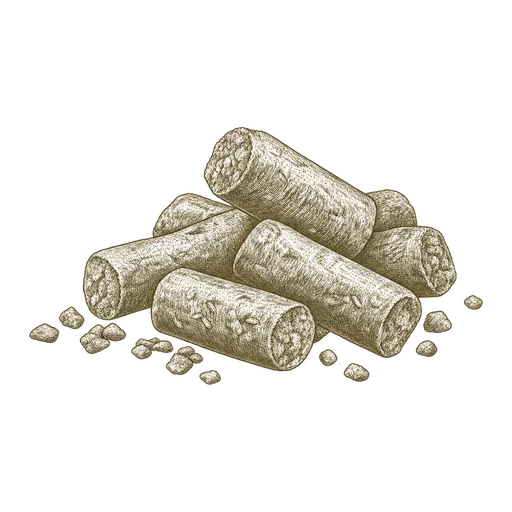
Cottonseed Hull Pellets

Cottonseed hull pellets are a pelleted cotton-processing co-product used as roughage in cattle diets. Compare the actual ingredient declaration and lot analysis, and match the product's physical characteristics to your ration and receiving setup.

Explore ingredient
Feed Ingredients

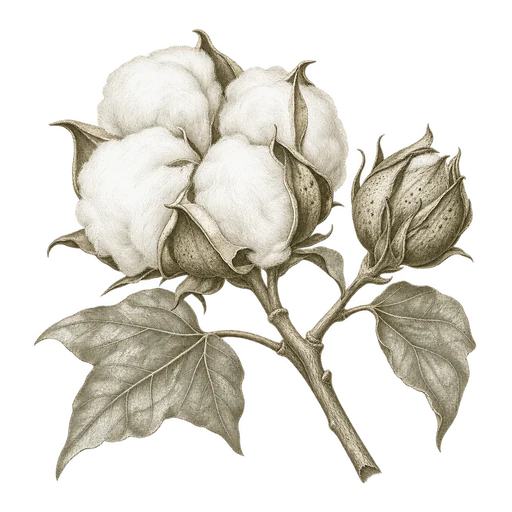
Cottonseed Hulls

Cottonseed hulls are a fibrous cattle-feed ingredient supplied loose or pelleted. Compare form, lot analysis, and receiving capacity to determine how the hulls fit a cattle ration and bulk handling plan.

Explore ingredient

Two forms of cottonseed hulls

Cottonseed Hulls are the loose, fibrous outer coverings separated from cottonseed during processing. Cottonseed Hull Pellets are the pelleted form listed in this collection. Pelleting changes the physical form, but do not assume the pellets contain only hulls or share the same handling properties: check the ingredient declaration and product specification.

Cottonseed hulls are distinct from cotton gin trash, which can include leaves, stems, lint and other residues. They are also different from cottonseed meal, a separate ingredient. These distinctions matter when matching a product to a feed plan or comparing offers.

Compare identity and analysis first

The available cattle-feed guidance describes hulls mainly as a fibrous roughage ingredient, including use in some high-concentrate cattle diets. It does not establish universal inclusion rates or suitability for every species. Have a qualified nutrition professional assess the ingredient in the context of the complete ration.

Request a current lot analysis and compare the stated analytical basis. Moisture, crude protein, crude fiber, NDF, ADF, ash, calcium and phosphorus can help buyers assess a lot. Treat any analysis as product- and lot-specific, not as a guaranteed value for the collection.

Account for form in bulk logistics

Loose hulls are bulky, so storage capacity and transport volume can affect their practicality. For pellets, request physical details such as bulk density, dimensions and fines or durability information if they matter to your equipment or ration mixing; do not assume pelleting removes storage or transport constraints.

When comparing bulk offers, establish the exact product identity, loading or packaging form, analysis and relevant physical specifications for the lot. These details help determine whether the material fits your receiving, storage and feed-handling setup.

Common questions.

Are cottonseed hulls a protein supplement?+

They are primarily a fibrous roughage ingredient, not a substitute for a protein supplement. Use the lot analysis and complete-ration formulation to assess their role.

Are loose hulls and hull pellets nutritionally interchangeable?+

Do not assume they are. Compare product identity and lot analysis, and confirm whether the pellets contain only hulls or include other ingredients.

What should I check when buying cottonseed hull pellets in bulk?+

Confirm the ingredient declaration and current analysis. If relevant to your equipment, also request bulk density, pellet dimensions, and fines or durability information.

Are these products suitable for livestock other than cattle?+

The practical feeding guidance covered here is principally for cattle. Confirm intended species and suitability with the supplier and a qualified nutrition professional.

Cotton co-products · BUYER INSIGHTS

Go deeper before you source.

Focused guides to the specification, application, and delivery questions behind this ingredient.

FIELD GUIDE01Cotton co-products
Buyer’s guide

Cottonseed Hulls: Bulk Storage and Receiving Planning

Loose and pelleted cottonseed hulls differ in bulkiness and receiving needs. Compare the form with your storage capacity and unloading setup, and include lot moisture information in storage planning.

Read this Insight
FIELD GUIDE02Cotton co-products
Buyer’s guide

Cottonseed Hulls in Beef and Dairy Rations

Cottonseed hulls can contribute roughage in some high-concentrate beef diets or replace part of the forage-fiber contribution in dairy rations. Their low protein and effect on whole-ration energy balance make the intended use and cattle class central to the decision.

Read this Insight
FIELD GUIDE03Cotton co-products
Buyer’s guide

Cottonseed Hulls Analysis: Which Measures Matter?

A practical guide to comparing cottonseed hull analyses, from moisture basis and fiber measures to energy estimates, minerals and residual seed content.

Read this Insight
FIELD GUIDE04Cotton co-products
Buyer’s guide

Receiving and storing bulk cottonseed hull pellets

Plan bulk cottonseed hull pellet deliveries around order quantity, destination, site equipment, packaging, and storage. Pellet density, flow, durability, and storage advantages are product-specific details to verify before receiving.

Read this Insight
FIELD GUIDE05Cotton co-products
Buyer’s guide

Cottonseed hull pellets in cattle rations: defining the roughage role

Cottonseed hull pellets contribute high-fiber, low-energy roughage to cattle rations. Their role depends on the animal class, ration objective, complete-diet balance and analysis of the offered lot.

Read this Insight
FIELD GUIDE06Cotton co-products
Buyer’s guide

How to compare cottonseed hull pellets by feed analysis

A practical framework for comparing cottonseed hull pellet feed analyses, aligning reporting bases and separating general loose-hull references from lot-specific figures.

Read this Insight