Grains
Alfalfa
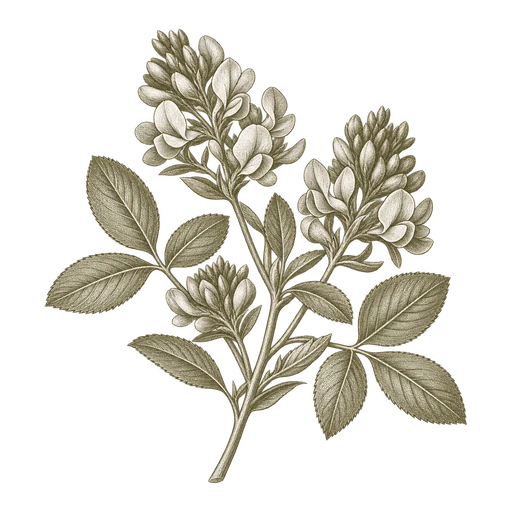
Alfalfa is a forage legume sourced as hay, silage, meal or pellets for livestock feed. Match the form to receiving and ration needs, then compare a lot-specific analysis on a consistent basis.
Explore ingredientPlan bulk corn gluten meal around the form your process can handle, the receiving site's equipment, moisture protection and review of product- and lot-specific documents.
A bulk corn gluten meal order works best when the product offer is matched to the receiving site before shipment is arranged. Corn gluten meal is a dried corn-milling ingredient used in feed and pet-food formulations. For logistics planning, the key questions are what physical form is offered, how much is needed, where it must arrive, and when the facility can receive it.
Start by describing the form required by your process rather than assuming that every offer will handle the same way. Ask how the material is presented and whether its particle size or flow characteristics are documented. Those details affect transfer, conveying, weighing and batching. Then state the requested quantity and unit, destination, delivery window and any receiving appointments or site restrictions. These details help a broker assess whether the proposed shipment can fit the plant’s schedule and infrastructure.
Packaging determines how the product moves from the delivery point into storage or production. Before agreeing to an offer, establish the packaging actually available and compare it with your unloading method: for example, whether the site is set up to receive loose material or handle packaged goods. Do not assume that a particular packaging format or transport arrangement is available just because the order is described as bulk.
Review practical constraints with the receiving team. Consider access to the unloading area, transfer connections, available storage capacity, weighing procedures and the time needed to clear a delivery. If the facility has restrictions on vehicle access, receiving hours or unloading equipment, include them when requesting terms. A mismatch can delay intake or require handling steps the plant was not prepared to perform.
Corn gluten meal is supplied as a dried ingredient, so moisture is an important part of storage planning. Moisture pickup can cause dry materials to cake and can compromise their condition during storage. Keep the receiving and storage plan focused on protecting the product from water and damp conditions, including during unloading and movement into its designated storage area.
Ask for the offered product’s moisture specification and the lot’s analysis, if provided, and compare those details with the quality requirements used by your purchasing and formulation teams. Do not treat a general product description as a substitute for a lot-specific result. Follow the handling and storage guidance supplied for the actual product; do not infer a safe storage duration or a universal storage limit from the ingredient name alone.
The offer documents should let your team identify the product and compare its quality with the intended use. Review the specification for the stated product form and its defined quality measures, then check the lot analysis or certificate of analysis when one is supplied. Moisture and protein are among the characteristics feed and pet-food buyers may need to evaluate, but the required measures and acceptance limits depend on the formulation and purchasing specification.
Make sure the documents identify the material consistently across the offer, lot paperwork and delivery details. If a value, test basis, packaging description or handling instruction is unclear, resolve that discrepancy before the load is scheduled. This is especially useful when the receiving, quality and formulation teams review different parts of an order.
A useful request includes the required corn gluten meal form, quantity and unit, destination, requested timing, packaging preference or receiving method, and any site-specific unloading limits. Include the quality measures your team requires and ask which product and lot documents will accompany the offer. This gives the broker the practical information needed to discuss a suitable arrangement without assuming stock, packaging or freight terms.
For a sourcing request, start with the Corn Gluten Meal page and provide those details together. The final packaging, lot analysis, handling guidance, delivery arrangements and commercial terms need to be established for the specific offer. Planning them together lets purchasing and receiving teams evaluate the same product and delivery plan.
Focused guides to the specification, application, and delivery questions behind this ingredient.
Corn gluten meal can contribute protein, amino acids and xanthophyll to poultry diets. Learn why formulating for protein and pigmentation requires separate evaluation of the complete ration and the offered lot.
Read this InsightCompare corn gluten meal protein grades with the moisture basis and amino-acid analysis needed to judge nutritional fit.
Read this InsightAlfalfa is a forage legume sourced as hay, silage, meal or pellets for livestock feed. Match the form to receiving and ration needs, then compare a lot-specific analysis on a consistent basis.
Explore ingredientAlfalfa meal is ground forage used in animal feed, with sun-cured and dehydrated processing routes and meal or pellet forms. Compare the offered process, physical form and analysis against the needs of the species and feed formulation.
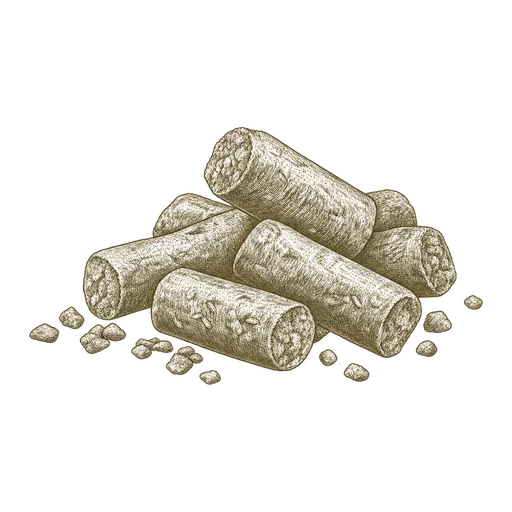
Explore ingredientAlfalfa pellets are ground, compressed forage used in livestock feeding and compound feeds. Compare the drying process, alfalfa material, forage analysis and pellet characteristics to choose a form that fits your ration and receiving setup.
Explore ingredientBeet pulp pellets are a dried, compacted sugar beet co-product used as a fibrous, energy-bearing ingredient in livestock feed. Compare molasses status, lot analysis and pellet handling needs to match the product to your ration and receiving setup.
Explore ingredient