Independent sourcing. Better connections.Commercial buyers · Bulk ingredients
tag

Plant protein

Plant protein is an umbrella for ingredients with different sources, processing methods and formulation roles. This collection includes chickpea protein, corn gluten meal and soy protein concentrate. Chickpea and soy ingredients have food applications, while corn gluten meal is used principally in animal feed. For bulk purchasing, compare intended use, processing and current product specifications—not protein percentage alone.

3 ingredients6 published Insights
EXPLORE THE COLLECTION

Plant protein ingredients

Pulses

Chickpea Protein

Chickpea protein is available as less-fractionated flour and more processed concentrates or isolates for human-food formulations. Compare protein on a consistent basis and match the ingredient’s demonstrated functional properties to the needs of the finished product.

Explore ingredient
Feed Ingredients

Corn Gluten Meal

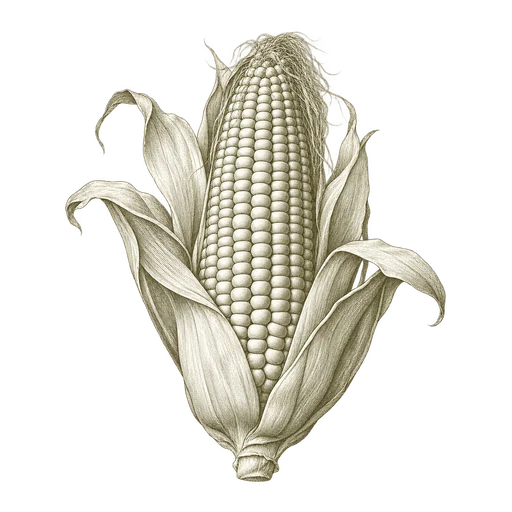
Corn gluten meal is a corn wet-milling coproduct used as a concentrated plant-protein ingredient in poultry feed and pet food. Compare the offered form, protein and amino-acid analysis, moisture basis, and xanthophyll when relevant to the formulation.

Explore ingredient
Starches/Fibers/Proteins

Soy Protein Concentrate

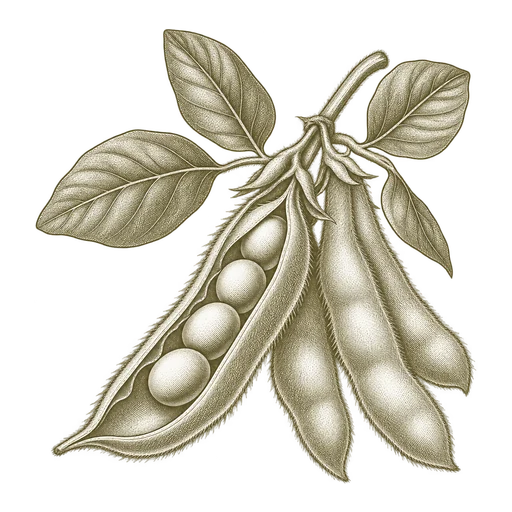
Soy protein concentrate is a processed soybean protein ingredient supplied in forms such as powder, granules or textured product. Compare the form, protein basis, processing details and intended market to match the ingredient to a food process or feed formulation.

Explore ingredient

Three ingredients, different roles

Chickpea protein and soy protein concentrate appear in food ingredient research as well as other formulation contexts. Corn gluten meal is a corn-milling co-product used principally in animal feed. These are distinct ingredients, not interchangeable versions of a single plant protein.

The term “corn gluten meal” identifies a corn product; it should not be confused with corn gluten feed, which has a different composition. For feed formulas, corn gluten meal’s amino-acid profile matters: it is low in lysine and tryptophan, and its protein percentage alone does not establish nutritional fit.

Processing affects performance

Chickpea protein ingredients can be made through dry fractionation or wet extraction. The route and starting material influence concentration and functional properties; dry-fractionated material can retain more starch and other components than wet-extracted ingredients.

Soy protein concentrate is commonly made from defatted soy flakes by removing soluble carbohydrates. Processing choices affect protein characteristics and residual components. For both chickpea and soy ingredients, a general name does not tell a buyer how a specific product will perform in a formula.

Compare specifications on the same basis

For a bulk purchase, establish whether the material is intended for human food, feed or another use, then compare current producer specifications. Check crude protein alongside its moisture or dry-matter basis; also consider moisture, fat, fiber, ash and particle size. Amino-acid data can be important in feed, while food formulations may need application-specific functional data such as solubility or water absorption.

If corn gluten meal is selected for pigment contribution in poultry feed, ask for measured pigment information rather than assuming a standard level. Confirm ingredient identity and applicable documentation for the intended market; a broad plant-protein label does not establish grade or suitability.

Common questions.

Are all ingredients in this collection suitable for human food?+

No. Chickpea protein and soy protein concentrate have food applications, while corn gluten meal is used principally in animal feed. Confirm the grade and intended use for the specific product.

Can these ingredients replace one another based on protein percentage?+

Not reliably. Their amino-acid profiles, processing and functional properties differ, so match the ingredient to the application and evaluate the complete specification.

What should I check when comparing protein analyses?+

Check the stated moisture or dry-matter basis as well as the analysis value. Percentages reported on different bases are not directly comparable.

Does corn gluten meal mean the same thing as corn gluten feed?+

No. They are different corn-milling co-products. Verify the exact ingredient name and analysis rather than relying on the word “gluten.”

Plant protein · BUYER INSIGHTS

Go deeper before you source.

Focused guides to the specification, application, and delivery questions behind this ingredient.

FIELD GUIDE01Plant protein
Buyer’s guide

Planning soy protein concentrate receiving and storage

Plan bulk soy protein concentrate receiving around the requested form, confirmed packaging, site unloading capabilities and clean, dry storage. Product-specific shelf life, temperature limits and packaging require confirmation.

Read this Insight
FIELD GUIDE02Plant protein
Buyer’s guide

Choosing soy protein concentrate form for food processing

Choose soy protein concentrate by how its physical form and processing route fit your food process. Compare powder, granules, bits and texturized forms using product-specific functional data.

Read this Insight
FIELD GUIDE03Plant protein
Buyer’s guide

How to compare soy protein concentrate specifications

Compare soy protein concentrate analyses on a consistent basis. Protein, moisture, ash and crude fiber results only become useful for purchasing when reporting basis, methods and application-specific requirements are clear.

Read this Insight
FIELD GUIDE04Plant protein
Buyer’s guide

Planning bulk chickpea protein receiving and storage

Plan chickpea protein receiving around the order details, facility constraints, product-specific storage information and traceable lot records.

Read this Insight
FIELD GUIDE05Plant protein
Buyer’s guide

Evaluating chickpea protein for emulsified food formulations

Assess chickpea protein for emulsified foods by looking beyond protein percentage: compare application-relevant test methods, account for processing and recipe conditions, and validate performance in the intended formulation.

Read this Insight
FIELD GUIDE06Plant protein
Buyer’s guide

How to compare chickpea protein specifications and protein basis

Compare chickpea protein flour, concentrate and isolate on a consistent basis. Learn how moisture affects protein calculations and how fat, fiber and ash help describe an offer.

Read this Insight