Grains
Alfalfa
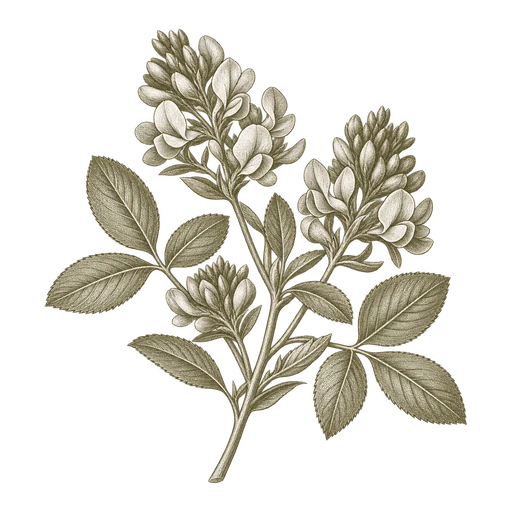
Alfalfa is a forage legume sourced as hay, silage, meal or pellets for livestock feed. Match the form to receiving and ration needs, then compare a lot-specific analysis on a consistent basis.
Explore ingredientCompare brewer’s grain analysis on a consistent basis: understand how moisture changes as-fed results, what dry-matter conversion can and cannot do, and how protein, fiber, fat and ash support feed evaluation.
Brewer’s grain analysis is only comparable when the results use the same measurement basis. Wet brewer’s grain contains more water than dried brewer’s grain, so a nutrient percentage reported as received can look lower simply because water makes up more of the sample. That difference does not, by itself, show that one lot contains less nutrient in its dry material.
An as-fed result describes the product in the condition it was sampled. A dry-matter result expresses the nutrient relative to the material remaining after water is excluded. For a fair comparison, check whether each result is reported as-fed or on a dry-matter basis, and use the moisture or dry-matter result for the same lot when converting.
To convert a nutrient result from as-fed to dry-matter basis, divide the as-fed nutrient percentage by the dry-matter fraction. The dry-matter fraction is one minus the moisture fraction, with both fractions expressed on the same scale. To convert in the other direction, multiply the dry-matter nutrient percentage by the dry-matter fraction.
This arithmetic aligns the basis; it does not make results from different samples or test methods equivalent. A conversion is useful only when the moisture value and nutrient result describe the same lot and the reporting units are clear. Do not compare a converted number with a supplier result until you know which basis and sample each number represents.
Crude protein is a broad feed-analysis measure used in evaluating the protein contribution of brewer’s grain. It is not a complete description of protein quality or of how an ingredient will perform in a ration. Buyers and nutritionists should compare results on a common basis and interpret them in the context of the whole feed formulation.
Fiber fractions add information that a single crude-fiber value cannot provide. Neutral detergent fiber (NDF) describes a broader cell-wall fraction, while acid detergent fiber (ADF) describes a narrower, more resistant portion of that material. They answer different questions and should not be treated as interchangeable. The reported method and basis matter, especially when comparing analyses prepared under different specifications.
Crude fat, often reported as ether extract, helps describe the extractable fat component and can inform an energy evaluation. It is one part of the analysis, not a stand-alone measure of feeding value. Compare it on the same basis as the other nutrient results.
Ash is the inorganic residue measured after the sample is incinerated. It indicates the total mineral residue, but does not identify individual minerals or their amounts. If a formulation depends on specific minerals, an ash result alone cannot answer that question; the relevant mineral analysis would need to be considered separately.
A useful brewer’s grain specification identifies the product form, the sampling or lot reference, moisture or dry matter, the basis for each nutrient result, and the analytical method where it is stated. Check that the same basis is used throughout the panel or that each result is clearly labeled. Unlabeled percentages invite misleading comparisons.
Published literature ranges can describe broad variation, but they are not a guarantee for a particular shipment. A lot’s actual analysis is the relevant comparison when a ration or purchasing decision depends on defined nutrient values. For buyers sourcing brewer’s grain against a specified analysis, the [brewer’s grain page](/ingredients/brewers-grain) is the natural next step.
Water makes up a larger share of wet product, diluting nutrient percentages reported as-fed. Comparing results on a dry-matter basis removes that water effect, provided the moisture and nutrient values apply to the same lot.
No. They describe different aspects of fiber and are not interchangeable. Compare each measure with the same measure, basis and stated method, and use it for the question it is intended to inform.
No. Literature ranges describe broader material and are not a lot guarantee. Use the analysis for the specific lot when a feed evaluation or purchasing decision depends on defined nutrient values.
Focused guides to the specification, application, and delivery questions behind this ingredient.
Wet and dried brewer’s grain call for different transport, unloading and storage plans. Compare the delivered condition and dry-matter basis, then confirm that the offered configuration fits your site.
Read this InsightA practical guide to evaluating brewer’s grain in cattle rations, with attention to animal class, lot analysis, moisture basis and the balance of the complete diet.
Read this InsightAlfalfa is a forage legume sourced as hay, silage, meal or pellets for livestock feed. Match the form to receiving and ration needs, then compare a lot-specific analysis on a consistent basis.
Explore ingredientAlfalfa meal is ground forage used in animal feed, with sun-cured and dehydrated processing routes and meal or pellet forms. Compare the offered process, physical form and analysis against the needs of the species and feed formulation.
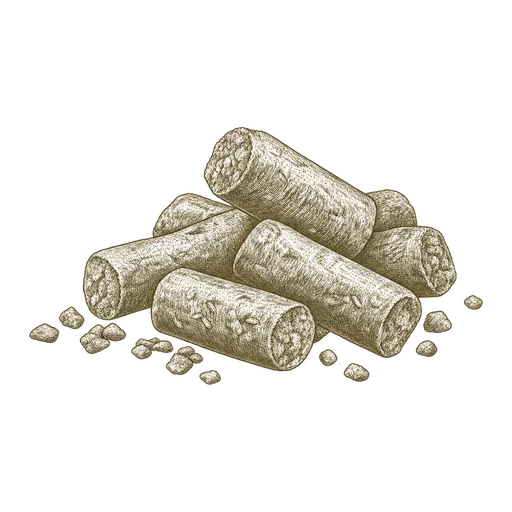
Explore ingredientAlfalfa pellets are ground, compressed forage used in livestock feeding and compound feeds. Compare the drying process, alfalfa material, forage analysis and pellet characteristics to choose a form that fits your ration and receiving setup.
Explore ingredientBeet pulp pellets are a dried, compacted sugar beet co-product used as a fibrous, energy-bearing ingredient in livestock feed. Compare molasses status, lot analysis and pellet handling needs to match the product to your ration and receiving setup.
Explore ingredient