Grains
Alfalfa
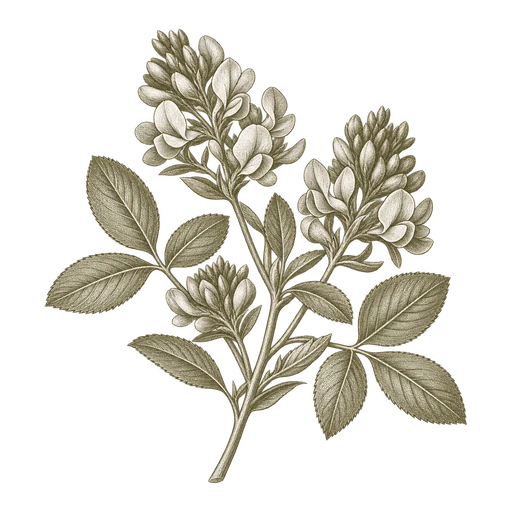
Alfalfa is a forage legume sourced as hay, silage, meal or pellets for livestock feed. Match the form to receiving and ration needs, then compare a lot-specific analysis on a consistent basis.
Explore ingredientA practical guide to evaluating brewer’s grain in cattle rations, with attention to animal class, lot analysis, moisture basis and the balance of the complete diet.
Brewer’s grain can be considered as one ingredient in cattle diets, but its value in a ration depends on the animals’ needs and the rest of the feed program. Dairy cows, growing or finishing cattle, and mature breeding animals do not have identical nutrient targets. Define the group and production stage before comparing an ingredient analysis or discussing a formulation.
The relevant question is not simply whether brewer’s grain contains useful nutrients. It is how its protein, fiber, energy contribution, moisture and other measured characteristics fit with the forage, grains, protein sources and minerals already in the ration. A cattle nutritionist should assess the complete diet and its intended feeding program; general information about an ingredient is not a recommendation for a particular herd.
Brewer’s grain is a brewing co-product made from grain remaining after mashing. Its composition reflects the grain and brewing process, so the ingredient name alone does not describe the nutritional value of a particular lot. Request an analysis for the material being considered and check which measures it reports, such as dry matter, crude protein, fiber, fat and ash, where these are relevant to the formulation.
Use the analysis to understand both what the ingredient contributes and what it does not establish. Nutrient figures help a nutritionist compare the lot with the rest of the ration, while moisture indicates how much of the delivered weight is water. A single nutrient result cannot show whether the complete ration is balanced, and an analysis from another lot should not be treated as a substitute for the current lot’s data.
A key comparison is whether reported nutrient values are on an as-fed basis or a dry-matter basis. As-fed values describe the ingredient in the condition it is delivered; dry-matter values remove the effect of water. Comparing one ingredient’s dry-matter figure with another’s as-fed figure can make their nutrient contributions appear more different—or more alike—than they are.
The nutritionist can convert between the bases using the lot’s dry-matter fraction. To convert a dry-matter nutrient value to an as-fed value, multiply it by the fraction of the ingredient that is dry matter. This is especially important when comparing wet brewer’s grain with dried material or with other ration ingredients. The analysis and the formulation worksheet should make the basis clear for every value being compared.
Brewer’s grain should be assessed alongside the feeds it would complement or replace. For example, the nutritionist needs to account for the protein and fiber supplied by forage and other ingredients, as well as the ration’s energy and mineral balance. The purpose is to evaluate the resulting diet, not to assign brewer’s grain a fixed role independent of the rest of the formula.
Physical form also matters to the feeding operation. Wet and dried material differ in moisture and delivered weight, so they are not interchangeable on an as-fed basis. The form being evaluated should match the analysis and the way the ration is mixed and delivered. Any formulation decision should use the actual product form under consideration rather than assuming that results for a different form apply.
Before comparing offers, define the cattle group, the intended role in the ration and the product form. Share the analysis basis and the nutrient measures the nutritionist needs to evaluate. Also specify the quantity and unit, delivery destination, timing and receiving method; these details help make the proposed lot and delivery arrangement relevant to the feeding operation.
When the required form and analysis are clear, use the [Brewer’s Grain sourcing page](/ingredients/brewers-grain) to continue sourcing. A broker can help connect buyers with a product offer, but the offered lot’s analysis, packaging, origin, availability and commercial terms need to be established for that offer. Have a qualified cattle nutritionist review the lot data and ration before making an inclusion decision.
Different cattle groups and production stages have different ration targets. A nutritionist needs to assess brewer’s grain in relation to the intended group and the complete diet, rather than applying one general formulation to every class of cattle.
Compare the analysis basis and moisture content, and evaluate nutrient contributions on a consistent dry-matter or as-fed basis. Wet and dried material have different moisture and delivered-weight characteristics, so their as-fed figures are not directly interchangeable.
No. An analysis describes the tested lot, but an appropriate amount depends on the cattle group, the other ration ingredients and the feeding program. A qualified cattle nutritionist should formulate or review the complete ration.
Focused guides to the specification, application, and delivery questions behind this ingredient.
Wet and dried brewer’s grain call for different transport, unloading and storage plans. Compare the delivered condition and dry-matter basis, then confirm that the offered configuration fits your site.
Read this InsightCompare brewer’s grain analysis on a consistent basis: understand how moisture changes as-fed results, what dry-matter conversion can and cannot do, and how protein, fiber, fat and ash support feed evaluation.
Read this InsightAlfalfa is a forage legume sourced as hay, silage, meal or pellets for livestock feed. Match the form to receiving and ration needs, then compare a lot-specific analysis on a consistent basis.
Explore ingredientAlfalfa meal is ground forage used in animal feed, with sun-cured and dehydrated processing routes and meal or pellet forms. Compare the offered process, physical form and analysis against the needs of the species and feed formulation.
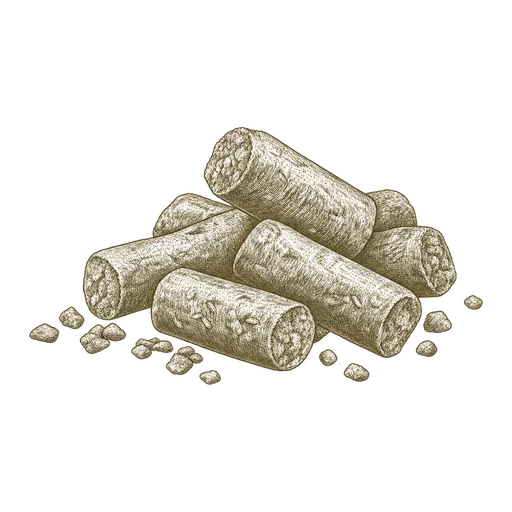
Explore ingredientAlfalfa pellets are ground, compressed forage used in livestock feeding and compound feeds. Compare the drying process, alfalfa material, forage analysis and pellet characteristics to choose a form that fits your ration and receiving setup.
Explore ingredientBeet pulp pellets are a dried, compacted sugar beet co-product used as a fibrous, energy-bearing ingredient in livestock feed. Compare molasses status, lot analysis and pellet handling needs to match the product to your ration and receiving setup.
Explore ingredient