Grains
Alfalfa
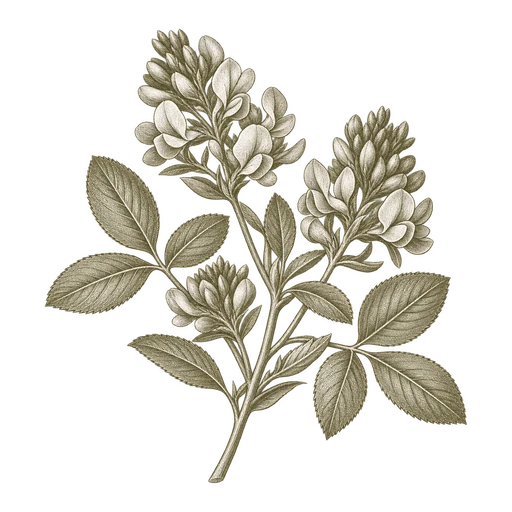
Alfalfa is a forage legume sourced as hay, silage, meal or pellets for livestock feed. Match the form to receiving and ration needs, then compare a lot-specific analysis on a consistent basis.
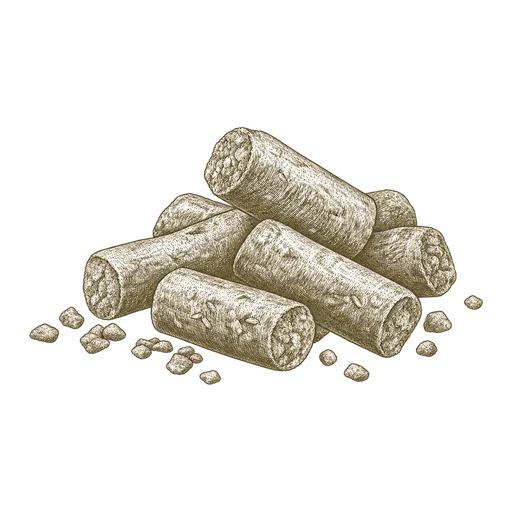
Explore ingredientPlan beet pulp shreds receiving by matching the order form and quantity to your facility’s unloading setup, destination and dry storage capacity. Packaging and storage duration are not universal, so confirm the offered lot’s handling instructions and terms.
A bulk beet pulp shreds order is easier to arrange when the product requirement and the receiving plan are defined together. Beet pulp shreds are a dried sugar beet processing co-product supplied in shredded form. Before discussing quantity, decide whether shreds—not pellets or another form—fit your feed handling and mixing system.
Then specify the quantity and unit you intend to purchase, the delivery destination and the timing your operation can accept. These details affect how a broker can discuss the shipment and whether the proposed arrangement matches your receiving capacity. Do not assume that a particular load size, delivery schedule or order minimum is standard.
Tell the broker how your site can receive product. For example, explain whether your operation is equipped for loose bulk unloading, or requires packaged material, and describe any relevant equipment or access limits. Packaging and shipment formats depend on the offered product and commercial terms; they should be agreed rather than inferred from the ingredient name.
Consider the whole receiving path, from vehicle access to the point where the shreds will be stored. Identify unloading equipment, available labor, receiving hours and any restrictions on vehicle size or site access. If material needs to move through a particular conveyor, hopper or transfer system, say so early. A shipment that cannot be unloaded efficiently can create delays even when the product itself is correct.
Beet pulp shreds are a dried feed ingredient, so keep them dry during unloading and storage. Rain, leaks, wet floors or condensation can introduce moisture and compromise the condition of dry material. Choose a clean, covered storage area and plan how product will be protected while it is transferred from the delivery point.
Storage duration is not universal. It depends on the product and its handling conditions, so do not assume a standard shelf life or storage limit. Before ordering, request the offered lot’s handling or storage instructions and compare them with your facility’s conditions. If you cannot keep the material protected from moisture, resolve that constraint before arranging delivery.
A useful receiving plan names the product form, order quantity and unit, destination, delivery timing, packaging arrangement and unloading method. It also identifies who can receive the shipment and where it will be stored. These are practical requirements, not minor details: they determine whether the proposed shipment can enter your facility and remain protected after arrival.
For a bulk beet pulp shreds quote, describe any constraints that could change the arrangement, such as limited unloading hours, restricted access or a preference for a particular packaging approach. Ask which shipment formats are actually offered for the lot and what information the seller needs to assess your receiving setup. Commercial terms, packaging and shipment details must be confirmed for the specific offer.
Use this checklist before submitting a requirement through the [Beet Pulp Shreds page](/ingredients/beet-pulp-shreds). Clear details help a broker discuss an offer that fits your product and receiving needs.
State the product form, quantity and unit, destination, timing, preferred packaging or bulk arrangement, and how your facility unloads the material. Include site access and receiving constraints so the proposed shipment can be evaluated against your setup.
No single shipment format should be assumed. Packaging and bulk arrangements depend on the specific offer and commercial terms. Describe what your facility can receive, then confirm which formats are available for the lot being discussed.
There is no universal storage duration to apply to every lot and facility. Keep the dried material protected from water and follow the offered lot’s handling instructions. Storage conditions and the supplier’s guidance matter when planning how much to order and when to receive it.
Focused guides to the specification, application, and delivery questions behind this ingredient.
Beet pulp shreds can contribute fiber and dietary energy to a horse’s ration. Learn how to discuss their role and soaking with an equine nutrition professional before defining a bulk sourcing requirement.
Read this InsightCompare beet pulp shreds analysis on a consistent basis. Learn how moisture, protein, fiber, sugars and minerals inform purchasing decisions, and how to verify whether a product includes molasses or other additions.
Read this InsightAlfalfa is a forage legume sourced as hay, silage, meal or pellets for livestock feed. Match the form to receiving and ration needs, then compare a lot-specific analysis on a consistent basis.
Explore ingredientAlfalfa meal is ground forage used in animal feed, with sun-cured and dehydrated processing routes and meal or pellet forms. Compare the offered process, physical form and analysis against the needs of the species and feed formulation.
Explore ingredientAlfalfa pellets are ground, compressed forage used in livestock feeding and compound feeds. Compare the drying process, alfalfa material, forage analysis and pellet characteristics to choose a form that fits your ration and receiving setup.
Explore ingredientApple pomace is an apple-pressing residue used in ruminant feed. Wet, dried and ensiled forms differ in moisture and preservation, so compare the actual form and lot analysis when assessing its role in a ration and planning bulk handling.
Explore ingredient