Grains
Alfalfa
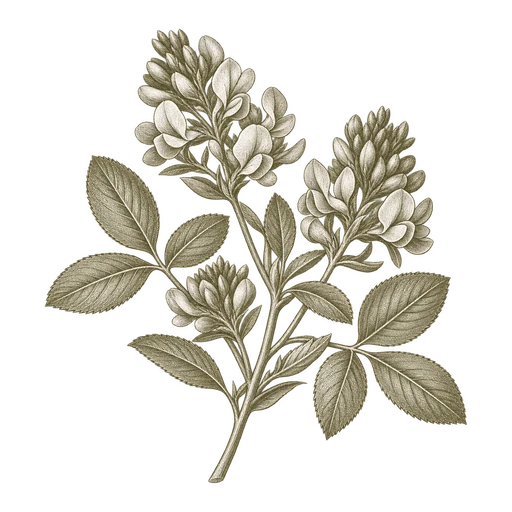
Alfalfa is a forage legume sourced as hay, silage, meal or pellets for livestock feed. Match the form to receiving and ration needs, then compare a lot-specific analysis on a consistent basis.
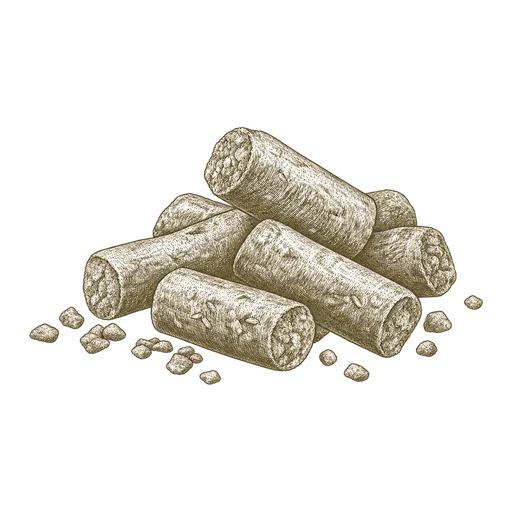
Explore ingredientCompare beet pulp shreds analysis on a consistent basis. Learn how moisture, protein, fiber, sugars and minerals inform purchasing decisions, and how to verify whether a product includes molasses or other additions.
A beet pulp shreds analysis is useful only when you know whether its values are reported as-fed or on a dry-matter basis. As-fed figures describe the product as delivered, including its moisture. Dry-matter figures remove the water from the calculation, making them useful when comparing feed ingredients with different moisture levels.
To convert an as-fed nutrient percentage to a dry-matter percentage, divide it by the dry-matter fraction. For example, if the product is reported as 90% dry matter, use 0.90 as the fraction. The reverse conversion is also important: multiply a dry-matter value by the dry-matter fraction to estimate its as-fed value. Keep the original basis visible when copying figures into a formulation or comparison sheet; otherwise, a moisture difference can look like a nutrient difference.
Check the report’s units and basis for each result rather than assuming every number uses the same convention. Moisture and dry matter describe the same broad property from opposite directions, but reports may present one or both.
Crude protein gives a broad measure of nitrogen-containing material; it does not describe the ingredient’s full nutritional contribution by itself. Compare it on a consistent basis and interpret it alongside the rest of the ration and the intended use.
Neutral detergent fiber (NDF) and acid detergent fiber (ADF) describe different portions of the fiber fraction. NDF broadly represents cell-wall material, while ADF measures a more restricted portion of that material. They are not interchangeable measures, and neither should be treated as a complete description of fiber behavior. If values come from different suppliers or reports, check whether the analytical method and reporting basis are comparable before drawing conclusions.
For a useful comparison, place crude protein, NDF and ADF side by side, with units, basis and method where reported. A number without that context can be misleading, even when it appears precise.
Sugar results can help distinguish the soluble carbohydrate contribution reported for a lot, but the meaning depends on the test method and the way the result is expressed. Do not assume that a sugar value alone proves molasses was added: beet pulp naturally contains residual sugars, and the analysis does not necessarily identify the source.
Ash is the inorganic residue remaining after a sample is burned. It provides a broad view of total mineral material, not a breakdown of individual minerals. If a formulation depends on particular minerals, look for those minerals as separate reported results and compare their units and basis. Ash cannot substitute for a mineral panel.
Beet pulp shreds may be offered with or without molasses, so confirm the product identity rather than inferring it from appearance or one analysis result. Review the current product description, ingredient declaration or lot documentation for an explicit statement about molasses and any other additions. If the documents do not resolve the question, ask the supplier to clarify it in writing.
This distinction matters when matching an ingredient to a formulation or comparing two offers. Record the product description alongside the analysis; a nutrient panel by itself may not establish whether the material is plain beet pulp or a version with added ingredients.
A practical comparison sheet should capture product identity, moisture or dry matter, crude protein, NDF, ADF, sugars, ash and any separately reported minerals. For every result, retain the units, as-fed or dry-matter basis, analytical method when supplied, and the document or lot it describes. Compare current lot-specific documentation rather than treating a producer’s typical values as universal specifications.
For a bulk purchase, also align the physical form and any additions before comparing analysis. Once those details are clear, the figures can support a more meaningful formulation decision. Visit the Beet Pulp Shreds page to explore sourcing the ingredient and specify the analysis and product description needed for your intended use.
As-fed values include the product’s moisture; dry-matter values calculate nutrients after excluding water. Convert values to the same basis before comparing products or using them in a formulation.
Not by itself. Beet pulp contains residual sugars, and a sugar result does not necessarily identify their source. Check the product description, ingredient declaration or lot documentation for an explicit statement about additions.
Ash is a broad measure of inorganic residue, not a breakdown of individual minerals. Use separately reported mineral results when a formulation depends on specific minerals.
Focused guides to the specification, application, and delivery questions behind this ingredient.
Plan beet pulp shreds receiving by matching the order form and quantity to your facility’s unloading setup, destination and dry storage capacity. Packaging and storage duration are not universal, so confirm the offered lot’s handling instructions and terms.
Read this InsightBeet pulp shreds can contribute fiber and dietary energy to a horse’s ration. Learn how to discuss their role and soaking with an equine nutrition professional before defining a bulk sourcing requirement.
Read this InsightAlfalfa is a forage legume sourced as hay, silage, meal or pellets for livestock feed. Match the form to receiving and ration needs, then compare a lot-specific analysis on a consistent basis.
Explore ingredientAlfalfa meal is ground forage used in animal feed, with sun-cured and dehydrated processing routes and meal or pellet forms. Compare the offered process, physical form and analysis against the needs of the species and feed formulation.
Explore ingredientAlfalfa pellets are ground, compressed forage used in livestock feeding and compound feeds. Compare the drying process, alfalfa material, forage analysis and pellet characteristics to choose a form that fits your ration and receiving setup.
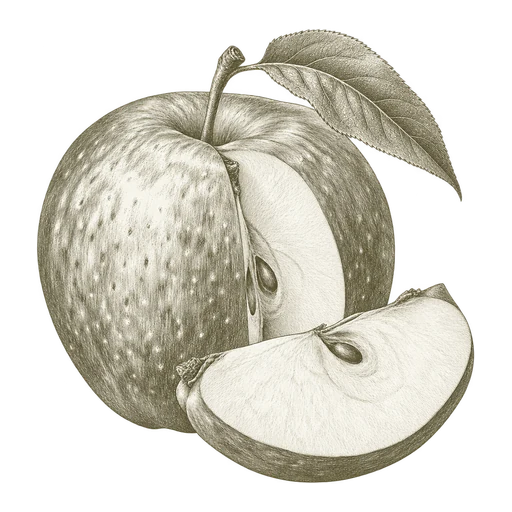
Explore ingredientApple pomace is an apple-pressing residue used in ruminant feed. Wet, dried and ensiled forms differ in moisture and preservation, so compare the actual form and lot analysis when assessing its role in a ration and planning bulk handling.
Explore ingredient