Grains
Alfalfa
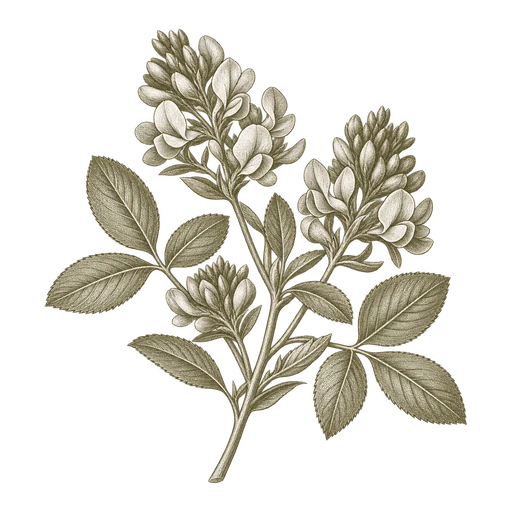
Alfalfa is a forage legume sourced as hay, silage, meal or pellets for livestock feed. Match the form to receiving and ration needs, then compare a lot-specific analysis on a consistent basis.
Explore ingredientPlan bulk wheat middlings receiving around the product’s physical form, available storage capacity and unloading setup. Keep meal and pellets dry and protected from mold, with extra attention to pellets in hot, humid conditions.
Bulk wheat middlings receiving starts with a straightforward question: are you arranging for meal or pellets? The forms behave differently in storage and handling, so a receiving plan that works for one should not be assumed to work for the other.
Unpelleted wheat middlings meal has low bulk density. That means a given weight takes up more space than a denser material, making storage capacity a key part of planning. Pellets are a distinct physical form, but do not assume that the same volume, unloading setup or storage arrangement will suit both.
Before requesting a delivered quote, describe the quantity and unit you need, the destination and the timing that works for your operation. Specify whether you want meal or pellets. These details help define the shipment being discussed; the delivery arrangement and commercial terms depend on the actual offer.
Then consider the receiving point. For meal, compare the space available with the volume your storage system can accommodate, rather than judging capacity by weight alone. For either form, provide the receiving method and any practical constraints, such as access, unloading connection requirements or limited space for a delivery vehicle. Share only capabilities your facility can actually support.
A delivery plan needs to fit both the offered packaging and the receiving setup. Tell the broker how your site accepts feed ingredients and whether you can receive the packaging or unloading arrangement under discussion. If the offer is not yet defined, ask for those details before treating it as compatible with your facility.
For meal, the low bulk density makes the relationship between shipment weight, occupied volume and available storage especially important. For pellets, make sure the receiving method suits the pellets offered; do not infer a particular bulk or packaged format from the word “pellets.” Confirm the proposed product form, packaging and delivery arrangement together.
Store wheat middlings in a dry, clean space and protect them from conditions that can lead to mold. Water entry, damp storage areas or wet residue in equipment can undermine an otherwise suitable receiving plan. Keep the storage area and handling equipment clean, and prevent exposure to moisture during transfer.
Pellets need particular attention in hot, humid conditions. Plan how they will be kept dry and protected from damp air or moisture exposure in storage and handling. Ask for lot-specific handling guidance where available; do not infer a shelf life or storage limit without information for the product being offered.
Have the desired form, quantity and unit, destination, timing, packaging preference and receiving method ready. Describe relevant site constraints, including available storage capacity and any unloading requirements. This lets the parties assess whether the proposed arrangement fits before shipment details are finalized.
Also identify any quality requirements that affect acceptance at your facility and ask what lot-specific handling guidance accompanies the offer. Confirm the offered form, packaging and delivery arrangement rather than assuming that a particular service or storage recommendation applies. For product details and sourcing, see the Wheat Midds page.
Unpelleted wheat middlings meal has low bulk density, so it occupies more space for a given weight than a denser material. Compare the expected volume with the usable capacity of your storage system.
Not necessarily. Meal and pellets are different physical forms, and the offered packaging and delivery arrangement also affect receiving. Confirm those details against your facility’s unloading method and constraints.
Keep the material dry and in a clean, mold-free storage environment. Pay particular attention to protecting pellets during hot, humid conditions, and use any lot-specific handling guidance provided for the offer.
Focused guides to the specification, application, and delivery questions behind this ingredient.
Wheat middlings can contribute fiber and bulk to gestating-sow diets and energy, protein and fiber to beef cattle rations. Their role depends on species, ration design and the actual lot analysis.
Read this InsightWheat middlings can vary with the milling fractions included. Compare clear ingredient identities and current lot analyses on the same moisture basis before using values to guide feed formulation or a bulk sourcing decision.
Read this InsightAlfalfa is a forage legume sourced as hay, silage, meal or pellets for livestock feed. Match the form to receiving and ration needs, then compare a lot-specific analysis on a consistent basis.
Explore ingredientAlfalfa meal is ground forage used in animal feed, with sun-cured and dehydrated processing routes and meal or pellet forms. Compare the offered process, physical form and analysis against the needs of the species and feed formulation.
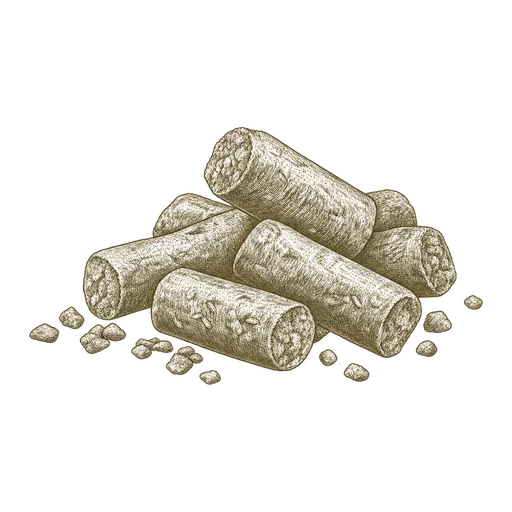
Explore ingredientAlfalfa pellets are ground, compressed forage used in livestock feeding and compound feeds. Compare the drying process, alfalfa material, forage analysis and pellet characteristics to choose a form that fits your ration and receiving setup.
Explore ingredientAlmond hulls are the dried outer layer of the almond fruit, sourced for ruminant feed as hull-only material or as a hull-and-shell mixture. Compare the lot’s composition, physical form, and handling needs before arranging a bulk shipment.
Explore ingredient