Grains
Alfalfa
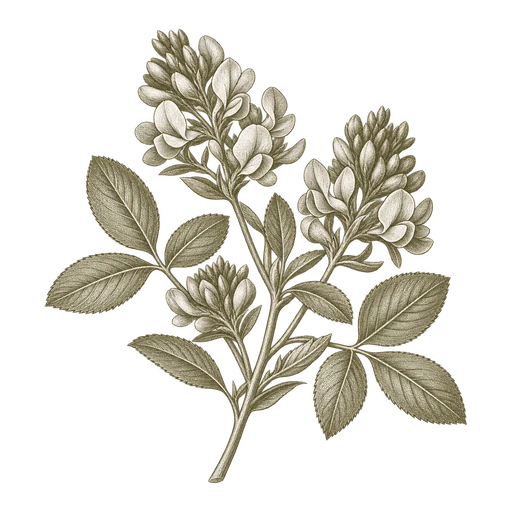
Alfalfa is a forage legume sourced as hay, silage, meal or pellets for livestock feed. Match the form to receiving and ration needs, then compare a lot-specific analysis on a consistent basis.
Explore ingredientWheat middlings can vary with the milling fractions included. Compare clear ingredient identities and current lot analyses on the same moisture basis before using values to guide feed formulation or a bulk sourcing decision.
Wheat middlings are co-products of flour milling, but the name does not guarantee that every lot contains the same blend of material. Milling separates wheat into flour and other fractions; the composition of the material sold as middlings depends on which fractions are included and how the mill describes its product. That variation can change both the analysis and the ingredient’s role in a feed formulation.
Related terms can describe different materials. Wheat bran generally refers to the outer layers removed during milling, while wheat middlings can include a broader mix of smaller wheat particles and milling fractions. Other mill-feed names may also refer to particular blends or milling streams. Treat a familiar label as a starting point, not a substitute for a clear product identity and lot-specific analysis.
Before comparing nutrient values, establish what the supplier means by wheat middlings. Ask for the product name used on the offer and its ingredient description, then compare it with the name and description on the lot documentation. This helps distinguish a broadly described middlings product from wheat bran or another wheat milling co-product that may have a different composition.
Identity matters because two analyses can both be accurate for their respective materials while describing unlike ingredients. A change in the proportion of bran, finer particles, or other milling fractions can affect fiber, protein, fat and mineral results. If the material is being substituted for another wheat co-product, compare the actual ingredient definitions as well as the numbers.
Moisture is essential context for interpreting the rest of an analysis. Nutrient percentages reported as-fed include the water present in the sample; dry-matter values remove that moisture from the comparison. A lot can therefore appear lower in a nutrient on an as-fed basis simply because its moisture content is higher. Compare lots using the same basis, or convert the values consistently before judging the difference.
Protein and fiber help describe the nutrient profile, but neither tells the whole story. Fiber values depend on the analytical measure reported, so identify the test name rather than treating all fiber figures as interchangeable. Fat contributes another useful comparison point, while energy estimates depend on the analysis and calculation method used. For ration formulation, use energy values in the context of the intended animal and the method behind the estimate, rather than assuming that a number from one analysis transfers directly to another.
Mineral results can also affect formulation. Check which minerals are actually reported and whether values share the same units and moisture basis as the rest of the analysis. Ash may provide a broader measure of total mineral material, but it does not identify individual minerals. If a specific mineral matters to the ration, compare its reported value directly instead of inferring it from ash.
There is no single guaranteed nutrient profile implied by the name wheat middlings. Milling stream, blend composition, moisture and the analytical methods used can all influence the reported results. A published reference value or an older analysis may help with preliminary planning, but it cannot establish the composition of a current lot.
For a useful comparison, review current lot documentation and check the sample or lot identification, date, units, test methods where provided, and whether values are as-fed or dry matter. Put the results into a common table with the same measures and basis for each offer. If one supplier reports a measure the other does not, mark it as missing rather than treating it as equivalent to a different test.
Then compare each result against the limits or formulation assumptions that matter to your operation. The goal is not to find a middlings analysis that looks best in isolation; it is to determine whether the identified product and documented lot fit the intended ration and handling plan.
A clear request should identify wheat middlings specifically and state the analysis measures important to your formulation, including the moisture or dry-matter basis you want to use. Include quantity and destination so a broker can address the relevant offer and delivery details. Where you are comparing alternatives, name the co-product under consideration rather than grouping wheat bran, middlings and other mill feeds under a single label.
For the ingredient overview and a sourcing request, see the Wheat Midds page. Use the product identity and current lot documentation together: the name tells you what material is offered, and the analysis helps you decide whether that lot belongs in your comparison.
No. Wheat bran generally refers to the outer wheat layers separated during milling, while wheat middlings can describe a broader mix of milling fractions. Product terminology can vary, so compare the ingredient description and current analysis rather than relying on the name alone.
Use the same basis for every lot. As-fed values include the sample’s moisture; dry-matter values account for that moisture difference. Comparing unlike bases can make nutrient values appear different for reasons unrelated to the underlying dry material.
Start with moisture or dry matter, then compare protein, fiber, fat, energy and the minerals relevant to your formulation. Check the specific fiber measure, units and energy calculation basis where reported, and use current lot documentation rather than assuming a guaranteed profile.
Focused guides to the specification, application, and delivery questions behind this ingredient.
Plan bulk wheat middlings receiving around the product’s physical form, available storage capacity and unloading setup. Keep meal and pellets dry and protected from mold, with extra attention to pellets in hot, humid conditions.
Read this InsightWheat middlings can contribute fiber and bulk to gestating-sow diets and energy, protein and fiber to beef cattle rations. Their role depends on species, ration design and the actual lot analysis.
Read this InsightAlfalfa is a forage legume sourced as hay, silage, meal or pellets for livestock feed. Match the form to receiving and ration needs, then compare a lot-specific analysis on a consistent basis.
Explore ingredientAlfalfa meal is ground forage used in animal feed, with sun-cured and dehydrated processing routes and meal or pellet forms. Compare the offered process, physical form and analysis against the needs of the species and feed formulation.
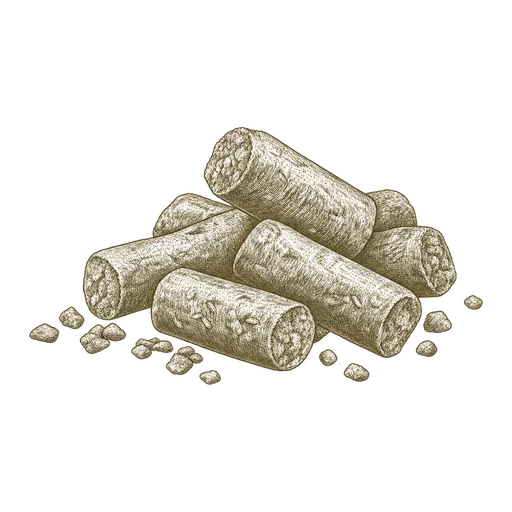
Explore ingredientAlfalfa pellets are ground, compressed forage used in livestock feeding and compound feeds. Compare the drying process, alfalfa material, forage analysis and pellet characteristics to choose a form that fits your ration and receiving setup.
Explore ingredientAlmond hulls are the dried outer layer of the almond fruit, sourced for ruminant feed as hull-only material or as a hull-and-shell mixture. Compare the lot’s composition, physical form, and handling needs before arranging a bulk shipment.
Explore ingredient