Grains
Alfalfa
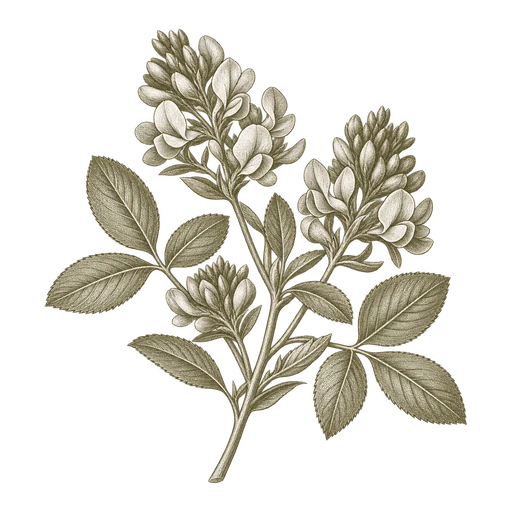
Alfalfa is a forage legume sourced as hay, silage, meal or pellets for livestock feed. Match the form to receiving and ration needs, then compare a lot-specific analysis on a consistent basis.
Explore ingredientWheat middlings can contribute fiber and bulk to gestating-sow diets and energy, protein and fiber to beef cattle rations. Their role depends on species, ration design and the actual lot analysis.
Wheat middlings are a co-product of wheat flour milling. The product combines portions of the wheat kernel separated during milling, so its nutrient profile and physical character can vary with the milling fractions in a lot. For feed formulators, that variability matters: middlings are not a fixed-value substitute for grain, forage or a standalone fiber source.
In swine diets, their fiber and bulk can be useful, particularly in gestating-sow rations where dietary bulk is one consideration in managing feeding programs. In beef cattle diets, middlings are more often considered as an energy-bearing feed ingredient that contributes fiber as well as other nutrients. Neither role makes the ingredient universally suitable; the complete ration, animal class and lot analysis determine its value.
A gestating-sow ration may use wheat middlings to contribute dietary fiber and physical bulk. These characteristics can help build a ration intended to provide more volume than a more concentrated grain-based mix. The practical tradeoff is that adding bulk also changes the ration’s energy density and nutrient balance, so the ingredient should be evaluated as part of the whole diet rather than judged on fiber alone.
The decision depends on the sow’s stage and feeding program, the rest of the ration, and the middlings’ analyzed composition. Compare the intended fiber contribution with energy and protein needs, and account for minerals—especially phosphorus and calcium balance—when the formulation calls for it. Do not assume that a middlings lot will produce the same result as another lot or that a swine formulation transfers directly to another class of pig.
For beef cattle, wheat middlings can contribute energy, protein and fiber within a mixed ration. Their role is distinct from that of forage: the fiber in a milling co-product does not automatically provide the particle length or effective fiber needed from roughage. Keep the forage and rumen-function needs of the cattle program in view when deciding whether middlings complement the ration.
Middlings may be evaluated alongside other energy ingredients, but replacement decisions should use the nutrient values of the actual ingredients and the ration’s intended performance. A change that increases fiber or shifts energy density can affect the balance of the full diet. Cattle class, forage base, other concentrates and mineral supplementation all shape the formulation; a general ingredient description cannot establish a suitable inclusion level.
For either species, request a representative lot analysis and review it on a consistent basis. Moisture affects the amount of dry matter delivered in a given weight. Protein and fiber measures help characterize the ingredient, while an appropriate energy estimate supports ration comparison. Ash and mineral values—including phosphorus—matter when balancing the complete diet. Use the analytical measures and energy system that the nutritionist applies to the target species and ration.
Ask whether reported values are on an as-fed or dry-matter basis; comparing unlike bases can distort the apparent difference between ingredients. A name such as wheat middlings identifies a broad milling co-product, not a guarantee of a particular milling fraction or nutrient profile. If the proposed lot’s analysis differs from the values used in formulation, the ration may need to be recalculated before use.
Before choosing wheat middlings, define the animal class, ration objective and ingredient role. For gestating sows, make clear whether fiber and bulk are the main reasons for considering the ingredient and how energy density will be managed. For beef cattle, clarify whether middlings are being assessed as an energy contributor, and retain a separate plan for the ration’s forage and effective-fiber needs.
Then match the purchase specification to that formulation: identify the feed form required by the mill or farm, the analysis measures that affect the ration, the quantity and delivery destination, and the receiving method. The Wheat Midds page is the natural next step once the required form and analysis are established; commercial terms and the offered lot’s details need to be confirmed for the specific order.
Their fiber and bulk can be useful characteristics in gestating-sow ration design. They also affect energy density and nutrient balance, so the actual lot analysis and the rest of the diet must guide the decision.
Not automatically. Middlings contribute fiber, but that does not mean they supply the particle length or effective fiber of forage. Evaluate them as a feed ingredient within a ration that still meets the cattle program’s forage needs.
Moisture, protein, fiber, energy and relevant mineral values help characterize a lot and balance a ration. Phosphorus and calcium balance can be important considerations. The required measures and energy system depend on the target species and formulation.
Focused guides to the specification, application, and delivery questions behind this ingredient.
Plan bulk wheat middlings receiving around the product’s physical form, available storage capacity and unloading setup. Keep meal and pellets dry and protected from mold, with extra attention to pellets in hot, humid conditions.
Read this InsightWheat middlings can vary with the milling fractions included. Compare clear ingredient identities and current lot analyses on the same moisture basis before using values to guide feed formulation or a bulk sourcing decision.
Read this InsightAlfalfa is a forage legume sourced as hay, silage, meal or pellets for livestock feed. Match the form to receiving and ration needs, then compare a lot-specific analysis on a consistent basis.
Explore ingredientAlfalfa meal is ground forage used in animal feed, with sun-cured and dehydrated processing routes and meal or pellet forms. Compare the offered process, physical form and analysis against the needs of the species and feed formulation.
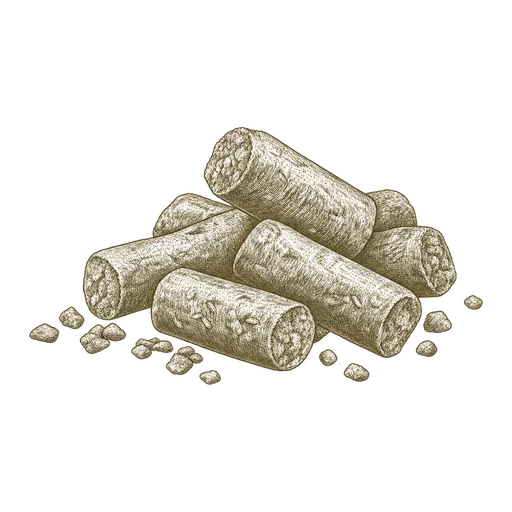
Explore ingredientAlfalfa pellets are ground, compressed forage used in livestock feeding and compound feeds. Compare the drying process, alfalfa material, forage analysis and pellet characteristics to choose a form that fits your ration and receiving setup.
Explore ingredientAlmond hulls are the dried outer layer of the almond fruit, sourced for ruminant feed as hull-only material or as a hull-and-shell mixture. Compare the lot’s composition, physical form, and handling needs before arranging a bulk shipment.
Explore ingredient