Grains
Alfalfa
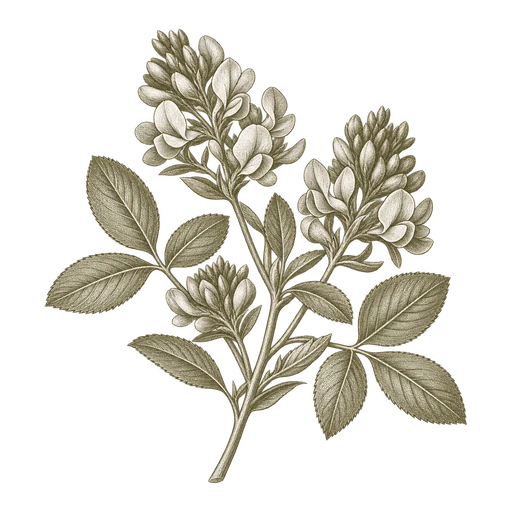
Alfalfa is a forage legume sourced as hay, silage, meal or pellets for livestock feed. Match the form to receiving and ration needs, then compare a lot-specific analysis on a consistent basis.
Explore ingredientPlan a triticale grain order around a clear quantity, destination, receiving method and storage setup. Moisture and grain condition inform storage decisions, while shipment details depend on the offered lot and your facility.
A workable bulk triticale order starts with the destination facility’s ability to receive and store the grain. Before requesting a quote, establish how much you need, how you measure that quantity, where it must arrive and when your facility can accept delivery. Those details let a broker assess the order against the offered lot and destination rather than treating shipment as a separate decision.
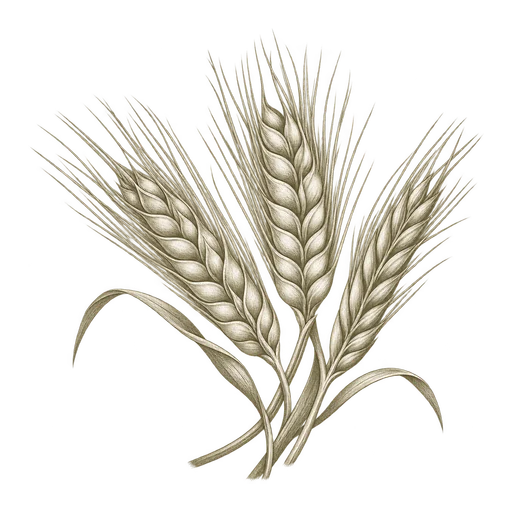
Triticale is a cereal grain used in feed and food applications. Its intended use can affect which lot information matters to you, while the receiving method determines what packaging and unloading arrangements are practical. For a sourcing request, specify whether you need bulk delivery or packaged grain if that distinction is relevant to your facility; do not assume either format is available for a particular lot.
State the requested quantity with a clear unit, such as weight or volume, and say whether the amount is a firm order or a planning estimate. A consistent unit helps prevent confusion when comparing an offer with your storage capacity, purchasing plan or usage schedule. Include the full delivery location, not just a region, because access and receiving conditions are site-specific.
Give a delivery window that reflects when staff, equipment and storage space will be ready. If your facility has appointment rules, restricted receiving hours or periods when it cannot accept grain, describe them at the outset. Shipment details depend on the offered lot and destination, so timing, packaging and freight arrangements need to be evaluated together rather than assumed.
The choice between bulk and packaged grain changes the work required at arrival. Bulk receiving generally depends on compatible unloading equipment and a suitable storage destination; packaged grain requires a plan for handling, staging and moving the packages into storage. Describe your equipment and receiving process so the proposed arrangement can be evaluated against actual site capabilities.
Identify practical constraints such as access routes, height or clearance limits, available unloading equipment, receiving capacity and whether a delivery must be divided across designated storage areas. These details matter because a shipment can be commercially appropriate yet difficult to receive if the facility cannot unload it safely or promptly. Ask which packaging or delivery method applies to the offered lot, rather than building the plan around an unconfirmed transport option.
Moisture and overall grain condition matter because dampness can contribute to spoilage and make stored grain more difficult to manage. Ask for the lot’s available condition and moisture information, and compare it with the requirements of your intended use and storage system. There is no single storage threshold or shelf life to apply without regard to the grain, condition and facility.
Prepare a clean storage space that protects grain from water entry and avoid introducing wet material or contaminants during transfer. Check that the receiving area is ready before delivery and that routine inspection and handling practices suit your operation. Storage decisions should account for the condition of the grain on arrival and the environment in which it will be held; do not rely on a general storage period in place of that assessment.
A concise request can include product identity, intended use, quantity and unit, destination, requested delivery timing, preferred packaging or bulk receiving method, and any unloading limitations. Add the quality information you need to evaluate the grain, including moisture and condition details where relevant. If the material will be used in a formulation, state the requirements your nutritionist, mill or production team uses to assess it.
Before accepting an arrangement, compare the proposed shipment and receiving plan with your facility’s capacity and storage readiness. Clarify the offered lot’s available information and any commercial terms that affect delivery. For product details and a sourcing request, visit the [triticale page](/ingredients/triticale).
Provide the quantity and unit, destination, delivery timing, intended use, preferred packaging or bulk receiving method, and any site or unloading constraints. Include the grain-condition information you need to evaluate the lot, such as available moisture details.
Confirm that storage space is ready, access and unloading equipment suit the proposed delivery arrangement, and staff can receive the shipment within the planned window. Packaged and bulk grain require different handling plans, so match preparation to the form offered.
Storage time depends on the grain’s condition and the storage environment, so a universal shelf life is not appropriate. Moisture, protection from water entry, cleanliness and ongoing inspection all affect storage management.
Delivered terms depend on the offered lot and destination, along with the order quantity, timing and shipment arrangement. Provide the delivery location and receiving requirements so the broker can assess the relevant terms.
Focused guides to the specification, application, and delivery questions behind this ingredient.
Triticale can contribute to swine and poultry diets, but its formulation value depends on the offered grain analysis, NSP characteristics, physical form, animal species and the rest of the ration. Understand those decisions before defining the feed specification and sourcing requirement.
Read this InsightMoisture, test weight, foreign material and condition describe different aspects of a triticale lot. Learn how to compare the measures, interpret their limits and request lot-specific records and sampling details.
Read this InsightAlfalfa is a forage legume sourced as hay, silage, meal or pellets for livestock feed. Match the form to receiving and ration needs, then compare a lot-specific analysis on a consistent basis.
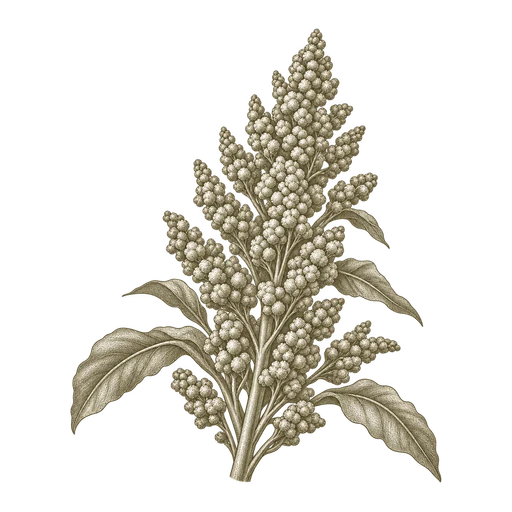
Explore ingredientAmaranth can be sourced as grain, leaf meal or whole-plant forage, and those forms are not interchangeable in feed formulation. Specify the plant material, species and processing method, then compare lot analysis suited to the intended animal and use.
Explore ingredientBarley is a cereal grain used in cattle feed, malting, food and industrial processing. Whole and processed forms serve different needs; identify the intended use, processing state and receiving requirements when sourcing a bulk order.
Explore ingredientBrewers rice is a broken-rice milling fraction used in brewing, fermented products and animal feed. Compare broken, granulated or ground forms and review lot-specific physical and analytical details before sourcing in bulk.
Explore ingredient