Grains
Alfalfa
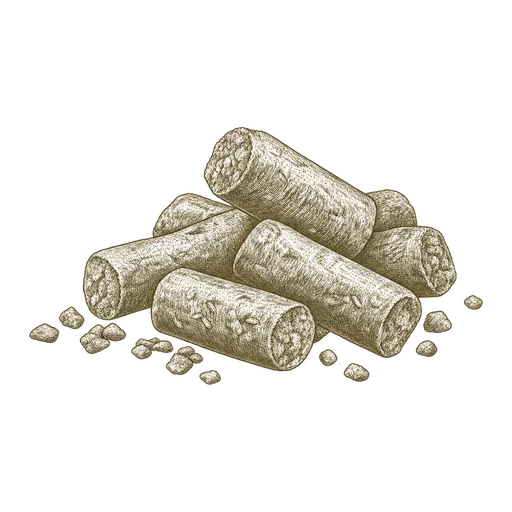
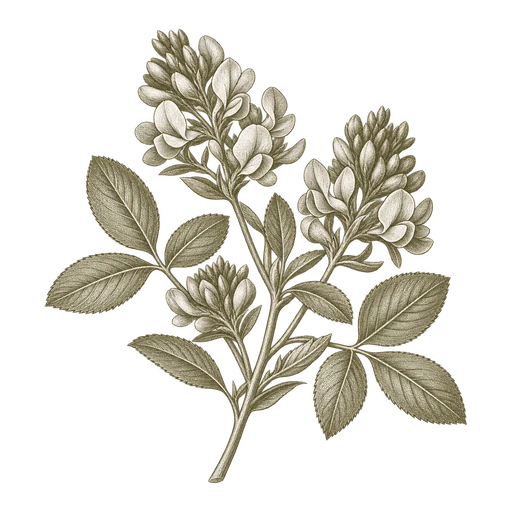
Alfalfa is a forage legume sourced as hay, silage, meal or pellets for livestock feed. Match the form to receiving and ration needs, then compare a lot-specific analysis on a consistent basis.
Explore ingredientCompare sunflower meal lots by reading protein, fiber, residual oil and moisture together. Hull content and as-fed versus dry-matter reporting can change how those results should be interpreted.
Sunflower meal is the protein-rich material left after oil is extracted from sunflower seed. How much of the seed hull remains is an important distinction between lots: hulls contribute fiber and dilute the meal’s protein concentration. A meal made with more hull material will generally have a different protein-and-fiber profile from a more thoroughly dehulled meal.
Ask whether hull content is measured directly or whether the supplier is describing the processing method. These are not interchangeable. Fiber analysis can help characterize a lot, but it is not itself a direct measurement of hull percentage; fiber also reflects the seed material and analytical method. If hull content is central to your purchasing specification, state how it must be defined and documented.
Crude protein is a key comparison point when sunflower meal is purchased as a protein-bearing feed ingredient. Its value helps a nutritionist assess the ingredient’s contribution to a ration, but it should be read alongside fiber and the rest of the analysis. A protein figure alone cannot establish that two meals have similar composition, especially when their hull content or processing differs.
Fiber gives another view of the meal’s composition and can help distinguish lots with different proportions of hull material. Be precise about the reported measure: crude fiber and neutral detergent fiber (NDF), for example, are different analytical measures and should not be treated as equivalent. Compare like with like, using the same measure and compatible test methods wherever possible.
Rather than treating a higher protein figure as an automatic preference, compare it against the intended formulation and the accompanying fiber result. The two values help show how the meal’s composition balances between concentrated protein and fibrous material.
Residual oil is the oil remaining in the meal after extraction. It contributes to the lot’s overall composition and can matter when a formulator is comparing energy contribution or evaluating meals produced through different extraction processes. Check that the analysis identifies the reported measure and its basis; an oil value, like protein or fiber, is more useful when interpreted with the full panel.
Moisture affects how much dry material is present in a delivered quantity and is relevant to storage and handling. It also changes the apparent concentration of other components when results are reported on an as-fed basis. A lot with more moisture can show a lower as-fed nutrient concentration even when the dry portion has a similar composition.
As-fed analysis reports a component in the product as delivered, including its moisture. Dry-matter analysis expresses the component relative to the material remaining after moisture is excluded. The figures can therefore differ without describing different laboratory results or a changed ingredient—one is adjusted for water and the other is not.
For a valid comparison, first establish the reporting basis for each analysis. If one lot’s crude protein is reported as-fed and another’s on a dry-matter basis, compare them only after converting to a common basis using the moisture result. Apply the same principle to fiber and residual oil. Keep the original reported results and the conversion method with your comparison so the basis remains clear.
Also check that the analyses refer to the specific lots being considered, not generic product descriptions or reference values. Results are meaningful for procurement only when the lot identity, test measure, reporting basis and analysis date are clear.
A practical comparison records hull-processing description, crude protein, the specified fiber measure, residual oil and moisture. Include the units, as-fed or dry-matter basis, test methods where supplied, and the lot identifier. This makes differences visible without assuming that a single value explains the whole meal.
Set the limits that matter to your formulation with your nutrition or quality team, then compare offers against those requirements. Do not apply a reference range as though it were a guaranteed specification: the actual values and documentation need to come from the specific product and current lot analysis. For sourcing against a defined analysis, see the [Sunflower Meal](/ingredients/sunflower-meal) page.
Not by itself. Hulls contribute fiber and dilute protein concentration, so hull content can help explain differences in protein and fiber. But crude protein is not a direct hull measurement. Compare the processing description, fiber results and any directly reported hull measure together.
No. Crude fiber and neutral detergent fiber are different analytical measures. Use the same fiber measure and compatible test methods when comparing lots; otherwise the numbers do not provide a like-for-like comparison.
As-fed results include the moisture in the delivered meal, while dry-matter results exclude it. To compare two lots reported on different bases, use each lot’s moisture result to convert the figures to a common basis.
Focused guides to the specification, application, and delivery questions behind this ingredient.
Plan bulk sunflower meal receipt around the offered form, the facility’s unloading and conveying equipment, and a clean, dry storage destination. Include the delivery location and receiving constraints in your sourcing request.
Read this InsightA practical guide to evaluating sunflower meal for poultry and swine formulations, with attention to fiber, lysine, processing and lot-specific analysis.
Read this InsightAlfalfa is a forage legume sourced as hay, silage, meal or pellets for livestock feed. Match the form to receiving and ration needs, then compare a lot-specific analysis on a consistent basis.
Explore ingredientAlfalfa meal is ground forage used in animal feed, with sun-cured and dehydrated processing routes and meal or pellet forms. Compare the offered process, physical form and analysis against the needs of the species and feed formulation.
Explore ingredientAlfalfa pellets are ground, compressed forage used in livestock feeding and compound feeds. Compare the drying process, alfalfa material, forage analysis and pellet characteristics to choose a form that fits your ration and receiving setup.
Explore ingredientAlmond hulls are the dried outer layer of the almond fruit, sourced for ruminant feed as hull-only material or as a hull-and-shell mixture. Compare the lot’s composition, physical form, and handling needs before arranging a bulk shipment.
Explore ingredient