Independent sourcing. Better connections.Commercial buyers · Bulk ingredients
tag

Sunflower ingredients

Explore Coarse Chips and Medium Chips, two sunflower ingredient forms distinguished by size labels. Because those labels do not define a shared grading standard, compare lot-specific particle-size data and intended-use documentation before buying in bulk.

5 ingredients6 published Insights
EXPLORE THE COLLECTION

Sunflower ingredients ingredients

Sunflower Seeds

Coarse Chips

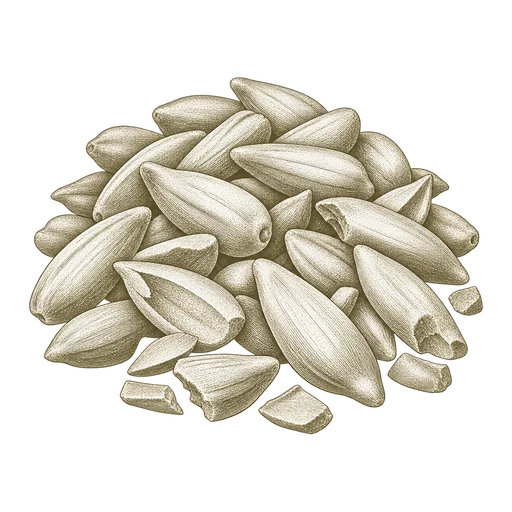
Coarse sunflower chips are broken, hulled sunflower kernels used most clearly in wild-bird feed. Compare the seller’s particle-size definition, fines and hull limits, kernel condition and intended-use grade when planning a bulk order.

Explore ingredient
Sunflower Seeds

Medium Chips

Medium Chips commonly refers to broken, peeled sunflower kernels used in bird-feed and related ingredient markets. Because “medium” has no universal size definition, compare the sieve cut, intended grade and lot quality before arranging a bulk order.

Explore ingredient
Feed Ingredients

Sunflower Meal

Sunflower meal is a sunflower-seed oil-extraction residue used as a protein ingredient in animal feed. Compare dehulling, extraction method, physical form and lot analysis to determine how a bulk offer fits your feed formulation and receiving setup.

Explore ingredient
Seeds

Sunflower Seeds

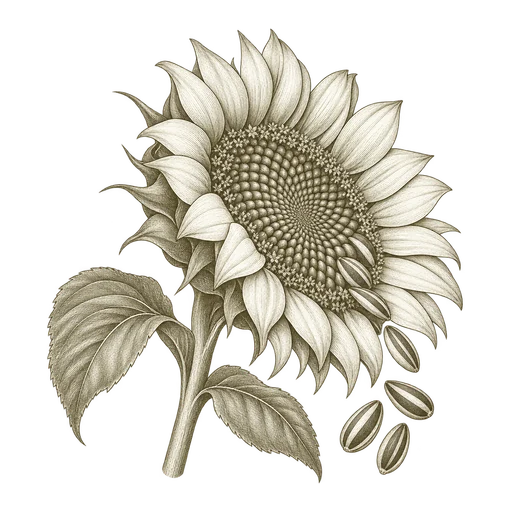
Sunflower seeds are sourced as oil-type or confectionery seed, in-shell seed or kernels, with meal available as a distinct oil-processing co-product. Match the form and quality measures to the intended food, oil, feed, or birdseed use.

Explore ingredient

Two chip forms, one important sizing question

This collection includes Coarse Chips and Medium Chips. The labels distinguish forms, but they do not establish a shared particle-size standard. Compare each offered lot’s sieve profile and size tolerances rather than assuming the two names mean the same thing across suppliers.

Confirm whether the chips are hulled kernel pieces and what limits apply to residual hulls, broken pieces and foreign material. Sunflower chips are not the same ingredient as sunflower meal, which is produced from material left after oil extraction.

Match the lot to its intended use

Sunflower products serve distinct food, feed and birdseed markets. The category name alone does not establish that either chip form is suitable for a particular use. Ask for product documentation that identifies the intended-use grade and supports your requirements, especially for human food, pet food or a specific animal feed.

Do not transfer specifications between forms or suppliers. Moisture, purity, size distribution and other limits need to be confirmed for the specific lot.

Details to compare before buying in bulk

Request the particle-size bands and the permitted proportion in each, along with moisture, purity, hull and foreign-material limits. Check the test and sampling basis so that competing offers can be compared on equivalent terms.

Also confirm packaging, storage instructions and shelf-life basis for the offered product. These details can affect how the material fits your receiving and inventory setup.

Common questions.

Are coarse and medium sunflower chips interchangeable?+

Not automatically. Compare their lot-specific sieve distributions and confirm that the particle sizes meet your end-use requirements.

Are sunflower chips the same as sunflower meal?+

No. Chips are described as pieces, while sunflower meal is ground material remaining after most oil has been removed.

Does the category establish that the chips are food-grade?+

No. Verify the intended-use grade and supporting documentation for the specific product before considering it for human food or another use.

Which specifications are useful to compare?+

Check particle-size distribution, hull and foreign-material limits, moisture, purity, test basis, packaging and storage details for each lot.

Sunflower ingredients · BUYER INSIGHTS

Go deeper before you source.

Focused guides to the specification, application, and delivery questions behind this ingredient.

FIELD GUIDE01Sunflower ingredients
Buyer’s guide

Planning storage for bulk sunflower seed deliveries

Plan bulk sunflower seed receiving and storage around the offered form, lot condition and capabilities of your facility—not a one-size-fits-all moisture target.

Read this Insight
FIELD GUIDE02Sunflower ingredients
Buyer’s guide

What to specify when sourcing sunflower kernels for seed butter

A practical guide to specifying sunflower kernels for seed butter, from dehulled form and cleanliness to sensory expectations and food-safety testing.

Read this Insight
FIELD GUIDE03Sunflower ingredients
Buyer’s guide

How to compare oil-type sunflower seed grading measures

Understand what test weight, damage measures and dehulled-seed percentage describe in oil-type sunflower grading—and why these results do not establish food-ready or confectionery-kernel quality.

Read this Insight
FIELD GUIDE04Sunflower ingredients
Buyer’s guide

Planning bulk sunflower meal receiving and storage

Plan bulk sunflower meal receipt around the offered form, the facility’s unloading and conveying equipment, and a clean, dry storage destination. Include the delivery location and receiving constraints in your sourcing request.

Read this Insight
FIELD GUIDE05Sunflower ingredients
Buyer’s guide

Sunflower meal in poultry and swine diets: what to evaluate

A practical guide to evaluating sunflower meal for poultry and swine formulations, with attention to fiber, lysine, processing and lot-specific analysis.

Read this Insight
FIELD GUIDE06Sunflower ingredients
Buyer’s guide

How to compare sunflower meal analysis and hull content

Compare sunflower meal lots by reading protein, fiber, residual oil and moisture together. Hull content and as-fed versus dry-matter reporting can change how those results should be interpreted.

Read this Insight