Grains
Alfalfa
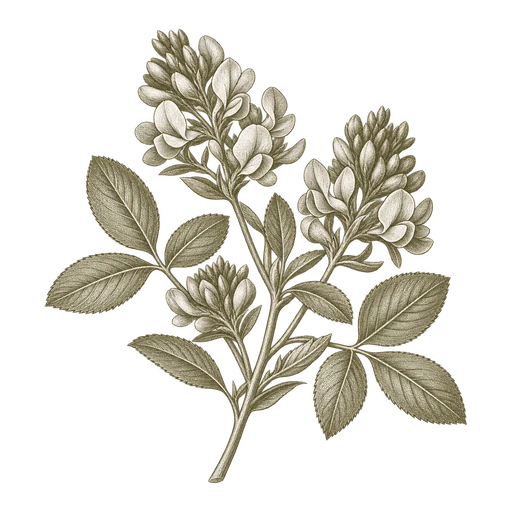
Alfalfa is a forage legume sourced as hay, silage, meal or pellets for livestock feed. Match the form to receiving and ration needs, then compare a lot-specific analysis on a consistent basis.
Explore ingredientPlan bulk spelt receiving around the exact form—hulled grain, kernels, flour or hull fraction—and align quantity, destination, packaging and storage with your facility.
A workable receiving plan starts by naming which spelt product is being shipped. Spelt is a hulled cereal grain: the harvested grain is associated with an outer hull, and processing can separate the edible kernels from that covering. Flour is milled from kernels; hull fractions are a separate processing material, not another name for whole spelt grain.
These distinctions matter at ordering and at the receiving dock. A delivery described only as “spelt” leaves open whether the load is hulled grain, dehulled kernels, flour or separated hull material. Each has a different physical form and intended handling route. Put the precise product identity on the order details and make sure receiving staff can match it to the shipment documents and designated storage area.
Whole hulled grain and dehulled kernels are granular materials, while flour is a milled powder. Those physical differences affect how material moves through a facility and what receiving equipment can handle it. Before requesting shipment arrangements, identify whether your site receives bulk grain, packaged product or another agreed format, and check that the relevant unloading and transfer equipment is available.
Flour handling also calls for a receiving plan suited to a powder rather than kernels. Consider the path from unloading to its storage location, including how the product will be transferred and kept separate from other materials. For hull fractions, clarify the specific fraction and intended use; do not route them through a grain or flour process simply because they came from spelt.
Packaging, transport arrangements and equipment compatibility depend on the actual offer and destination. Provide the broker with your facility’s receiving method and any constraints, such as access, unloading hours or limits on how material can be transferred. These details help establish whether a proposed shipment can be received without assuming that a particular package or delivery method is available.
State the quantity and unit you need, the delivery destination and the timing you are working toward. These are the basics needed to discuss a shipment, but they become useful only when tied to the product form. A quantity of kernels does not describe the same receiving task as an equivalent order of flour or hull fractions, because the material and handling path differ.
Share any practical receiving limits early: when the site can accept a delivery, how material is unloaded, and whether the facility needs advance coordination. If you purchase for a production schedule, identify when the ingredient must be on site rather than giving only a general delivery preference. Final packaging, transport, lead time and freight arrangements are supplier- and shipment-specific, so treat them as details to settle for the particular order.
Separate kernels and hull fractions in records and physical storage. They are distinct materials even when they originate from the same spelt processing stream. Clear labels help prevent an outer fraction from being mistaken for edible kernels, and keep the identity shown on the order, shipment paperwork and storage location consistent.
Choose a clean, dry storage location appropriate to the form being received, and protect the material from moisture, contamination and unintended mixing. Flour and kernels should not be treated as interchangeable in storage or production records; flour is milled, while kernels remain whole grain. Storage conditions, packaging, handling instructions and any shelf-life information should be taken from the actual product and lot rather than assumed from the word “spelt.”
Before unloading, make sure the storage area is ready for the named product and that staff know where it belongs. If the order includes more than one form or fraction, plan separate identification and placement for each. This simple control supports accurate inventory and helps keep the material aligned with its intended use.
A useful request for bulk spelt states the exact form—hulled grain, dehulled kernels, flour or a named hull fraction—along with quantity and unit, delivery destination, desired timing, packaging preference or receiving method, and relevant quality or handling requirements. Include the facility’s unloading constraints and how the material will be stored after receipt.
When reviewing a proposed order, compare the product description against the form your process requires. Ask for shipment-specific packaging and storage guidance, and ensure that any hull fraction is clearly identified apart from kernels. For a form-specific inquiry, visit the Spelt ingredient page and include these receiving details so the request can be routed around the product and destination you actually need.
Name the exact form—hulled grain, dehulled kernels, flour or a specific hull fraction—then state quantity and unit, destination, timing, packaging or receiving method, and relevant quality or handling requirements.
No. Kernels are the grain separated from its outer hull, while hull fractions are separated outer material. Identify them separately in the order, shipment records and storage plan.
Do not assume so. Flour is a milled powder and kernels are whole grain, so their transfer and storage arrangements can differ. Use the packaging and handling guidance for the specific lot and keep each form clearly identified.
Focused guides to the specification, application, and delivery questions behind this ingredient.
Spelt flour’s baking performance depends on its milling form and the dough or loaf being made. Learn which functionality questions help buyers compare it with common wheat flour before sourcing.
Read this InsightCompare spelt quality data only after identifying whether the offer is hulled grain, kernels, flour or hull fraction. The form, reporting basis and analytical method determine what a result means for feed formulation or food processing.
Read this InsightAlfalfa is a forage legume sourced as hay, silage, meal or pellets for livestock feed. Match the form to receiving and ration needs, then compare a lot-specific analysis on a consistent basis.
Explore ingredientAmaranth can be sourced as grain, leaf meal or whole-plant forage, and those forms are not interchangeable in feed formulation. Specify the plant material, species and processing method, then compare lot analysis suited to the intended animal and use.
Explore ingredientBarley is a cereal grain used in cattle feed, malting, food and industrial processing. Whole and processed forms serve different needs; identify the intended use, processing state and receiving requirements when sourcing a bulk order.
Explore ingredientBrewers rice is a broken-rice milling fraction used in brewing, fermented products and animal feed. Compare broken, granulated or ground forms and review lot-specific physical and analytical details before sourcing in bulk.
Explore ingredient