Grains
Alfalfa
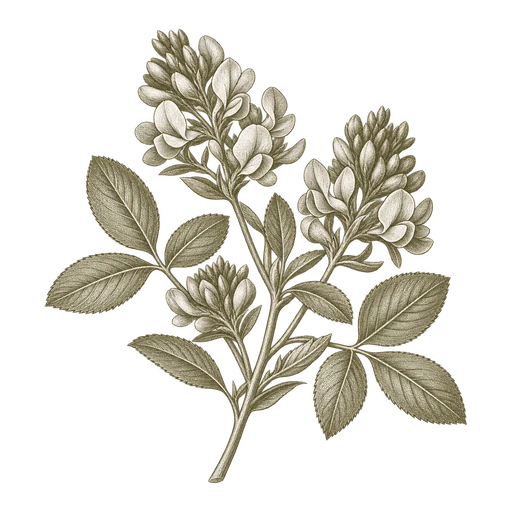
Alfalfa is a forage legume sourced as hay, silage, meal or pellets for livestock feed. Match the form to receiving and ration needs, then compare a lot-specific analysis on a consistent basis.
Explore ingredientCompare spelt quality data only after identifying whether the offer is hulled grain, kernels, flour or hull fraction. The form, reporting basis and analytical method determine what a result means for feed formulation or food processing.
A useful spelt specification begins by identifying exactly what is being offered: hulled grain, dehulled kernels, flour or a separated hull fraction. These forms are not interchangeable. The hull is the tough outer covering around the kernel; dehulled grain has had that covering removed, while flour has been milled. A hull fraction is predominantly outer material rather than edible or milled kernel.
This distinction changes what an analysis can tell you. A result for whole hulled grain describes a mixture that includes hulls; it cannot be compared directly with a kernel-only or flour result without accounting for the difference in material. A buyer comparing offers should make the product form, intended use and sample identity explicit before comparing any reported values.
For feed use, common analytical fields include moisture, crude protein, crude fiber, fat, ash and calculated energy. The relevant panel depends on the ration and the nutritionist’s evaluation. These measures help describe nutrient contribution and handling characteristics, but they do not by themselves establish that two samples are equivalent.
Ask what material was tested and whether results are reported on an as-received or dry-matter basis. Moisture changes the proportion of nutrients delivered per unit of product, so results expressed on different bases can appear different even when the underlying dry material is similar. The test method also matters: methods and calculation conventions can affect whether reported values are comparable. Retain the method and basis alongside each result rather than comparing a number in isolation.
For hulled grain, determine whether the analysis covers the product as delivered or a cleaned, dehulled, or otherwise prepared sample. For a hull fraction, use a specification suited to that fraction and its intended role; kernel nutrient values do not characterize hull material. In all cases, the offered lot’s actual analysis—not a general expectation for spelt—is the appropriate basis for formulation.
For spelt flour, composition alone may not predict how it will behave in a bakery. Where dough handling, mixing, proofing or finished-product consistency is important, functionality data can help connect a flour lot to the process. The useful measures depend on the product being made and the mill’s or manufacturer’s evaluation system.
Ask what the data measure, how the sample was prepared, and whether the test conditions resemble the intended process. A flour test is not interchangeable with a whole-grain feed panel, and a result generated under one method should not be treated as a universal performance guarantee. If flour is being evaluated for a specific formulation, compare lots using the same analytical and functionality methods and interpret the results against that process.
For less process-sensitive uses, a detailed functionality panel may add little value. Prioritize identity, moisture and the composition or handling attributes that affect the intended product; request baking-function data when a defined product outcome makes it decision-relevant.
A practical comparison records the exact form, sample description, analytical values, units, reporting basis and test methods. It also identifies whether a result is a supplier specification, a lot analysis or a buyer’s target. Those labels answer different questions: a target states what the buyer requires, while a lot analysis reports what was measured in a particular sample.
Do not turn published study findings or typical values into universal acceptance limits. Spelt measurements can differ with the material tested and the analytical method, and research samples do not establish the properties of a commercial lot. Set limits only where the intended application and the buyer’s quality program support them; otherwise, use the data to compare offers and guide formulation decisions.
For a spelt request, specify the form first, then identify the fields that matter for feed formulation or food processing. The Spelt ingredient page is the natural starting point for sourcing a form-specific request. Lot values, methods and any required documentation should be evaluated against the actual offer.
Not directly. Hulled grain includes the outer covering, while a dehulled-kernel result describes material after that covering has been removed. Confirm what the sample contained and whether it was cleaned or prepared before testing.
Moisture, crude protein, crude fiber, fat, ash and calculated energy are common feed-analysis fields. The appropriate panel depends on the formulation, and results should include their reporting basis and analytical method.
Not on its own. Where dough handling or finished-product consistency matters, functionality data can provide additional process-relevant information. Interpret it in light of the method, test conditions and intended baked product.
Focused guides to the specification, application, and delivery questions behind this ingredient.
Plan bulk spelt receiving around the exact form—hulled grain, kernels, flour or hull fraction—and align quantity, destination, packaging and storage with your facility.
Read this InsightSpelt flour’s baking performance depends on its milling form and the dough or loaf being made. Learn which functionality questions help buyers compare it with common wheat flour before sourcing.
Read this InsightAlfalfa is a forage legume sourced as hay, silage, meal or pellets for livestock feed. Match the form to receiving and ration needs, then compare a lot-specific analysis on a consistent basis.
Explore ingredientAmaranth can be sourced as grain, leaf meal or whole-plant forage, and those forms are not interchangeable in feed formulation. Specify the plant material, species and processing method, then compare lot analysis suited to the intended animal and use.
Explore ingredientBarley is a cereal grain used in cattle feed, malting, food and industrial processing. Whole and processed forms serve different needs; identify the intended use, processing state and receiving requirements when sourcing a bulk order.
Explore ingredientBrewers rice is a broken-rice milling fraction used in brewing, fermented products and animal feed. Compare broken, granulated or ground forms and review lot-specific physical and analytical details before sourcing in bulk.
Explore ingredient