Independent sourcing. Better connections.Commercial buyers · Bulk ingredients
topic

Food ingredient quality

Food ingredient quality is not one shared grade across fruit, vegetables, legumes, nuts and edible fats. For bulk purchasing, start by confirming the exact ingredient form and processing, then set acceptance criteria and handling requirements that fit its intended use.

11 ingredients6 published Insights
EXPLORE THE COLLECTION

Food ingredient quality ingredients

Dried Fruits

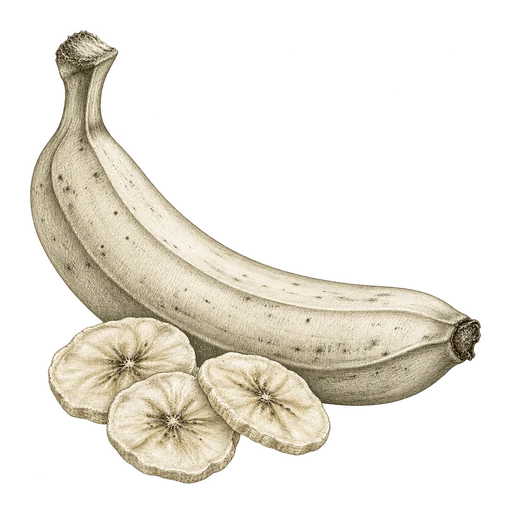
Banana Chips

Banana chips include both fried snack slices and dried banana products for food preparation or flour. Identify the process, added ingredients, and intended use before comparing quality measures and bulk shipment terms.

Explore ingredient

Pulses

Black Beans

Dry black beans are used in packaged foods, prepared dishes and canning. Compare whole versus broken or split composition, and assess canning performance separately when the beans will be processed.

Explore ingredient
Peanuts

Blanched Peanuts

Blanched peanuts are shelled kernels with the red seed coat removed, used in food processing such as peanut butter and salted peanuts. Compare kernel form, heat-treatment status, skin removal, and lot-specific quality information to match the product to your process.

Explore ingredient
Dried Fruits

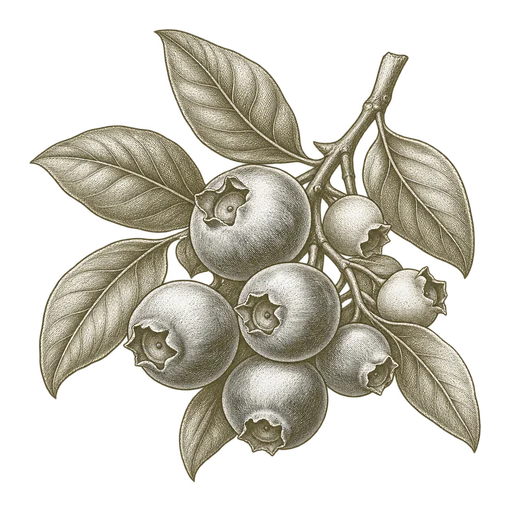
Blueberries

Bulk blueberries are sourced as frozen whole fruit, dried berries, powder, puree and other distinct forms. Match the form and its quality measures to the recipe, processing method and receiving requirements.

Explore ingredient
Dried Vegetables

Broccoli

Bulk broccoli is commonly sourced as fresh whole crowns or cut florets. Choose the form for your receiving and preparation needs, and plan quality checks and cold storage accordingly; broccoli residues intended for feed are a separate, variable material.

Explore ingredient
Grains

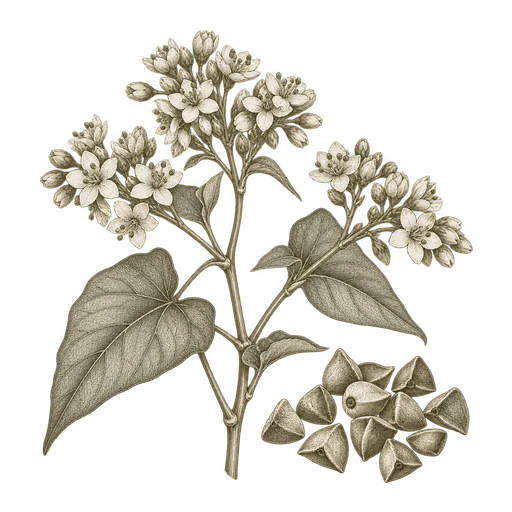
Buckwheat

Buckwheat is sourced as whole seed, dehulled groats, flour and milling by-products for food and feed uses. Choose the form and processing status for the intended use, and compare lot quality on a clearly stated basis.

Explore ingredient
Dairy Ingredients

Ghee

Ghee is a concentrated dairy fat used in cooking, frying, sweetmeats and as a topping. Compare process and sensory requirements alongside milk-fat, moisture and oxidation measures, then match the packaging and receiving details to your food operation.

Explore ingredient
Pulses

Great Northern Beans

Great Northern beans are mature edible beans sourced as a food ingredient, most commonly specified as whole and dry for hydration and cooking. Distinguish them from canned beans and cull material, and compare lot analyses on a clearly stated basis.

Explore ingredient
Pulses

Split Green Peas

Split green peas are dried mature field peas that have been dehulled and split for cooking and food manufacturing. Compare seed condition, moisture, fines, and analysis basis, then match the order and receiving plan to the intended use.

Explore ingredient

Quality starts with ingredient identity

This collection brings together products with very different forms and quality measures: fruit and vegetable ingredients, dry legumes and buckwheat, blanched peanuts, canola oil and ghee. A broad label such as “food ingredient quality” does not establish a shared grade or specification. First confirm the exact product, its form and processing history, and the intended use.

Form matters even within one ingredient family. Blueberries are not interchangeable with blueberry pomace, a by-product of blueberry processing. Likewise, a dry bean specification does not automatically describe a cooked or canned product. Black beans and Great Northern beans are distinct dry-bean classes.

Set acceptance criteria for the actual form

Build the purchase specification around attributes that affect the product’s use. Depending on the ingredient, these can include moisture or water activity, size or cut, color, breakage, foreign material and sensory condition. Moisture and water activity are related but different measures; they should not be treated as substitutes.

Use limits and test results that apply to the named ingredient and form. A procurement specification for one class of dry beans is not a universal limit for all beans, peas or other ingredients in this collection. For blueberry pomace, origin material and processing can affect composition, so results for one material should not be assumed to describe every lot.

Check handling and allergen details

Storage and shelf-life requirements differ across dried products, produce, legumes, oils and ghee. Confirm the conditions supported for the specific product and package rather than applying one storage rule to the entire collection. Ask which lot and sampling plan any analytical or inspection results represent.

Blanched peanuts remain a peanut ingredient; blanching alone does not establish allergen-control status. Buyers should review ingredient declarations and relevant cross-contact information for their manufacturing setting.

Common questions.

Does this collection have one common quality grade?+

No. Quality criteria depend on the ingredient’s identity, form, processing and intended use. A dry-bean grade, for example, does not define the quality of oil, fruit or ghee.

What should buyers clarify about blueberry pomace?+

Confirm its source material, processing history and the lot-specific criteria that matter for the intended use. Pomace is not interchangeable with whole blueberries, and results from one pomace material do not establish the composition of another.

Are moisture and water activity the same specification?+

No. They are distinct measures. Agree on which measure applies to the ingredient and use, and assess it against criteria established for that product.

Does blanching mean peanuts meet a buyer’s allergen-control requirements?+

No. Blanching describes processing, not the full allergen-control status. Review the ingredient declaration and relevant cross-contact information for the manufacturing context.

Food ingredient quality · BUYER INSIGHTS

Go deeper before you source.

Focused guides to the specification, application, and delivery questions behind this ingredient.

FIELD GUIDE01Food ingredient quality
Buyer’s guide

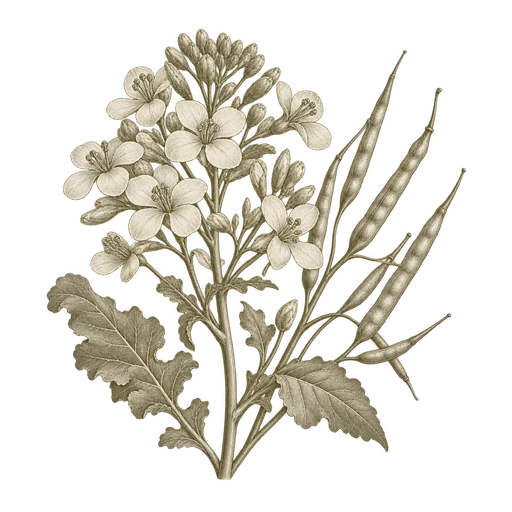
Bulk Canola Oil Shipping and Storage: Handling Questions for Buyers

Plan bulk canola oil deliveries around compatible transport and receiving equipment, controlled transfer and storage, inventory traceability, and clear coordination with the supplier.

Read this Insight
FIELD GUIDE02Food ingredient quality
Buyer’s guide

Choosing Canola Oil for Commercial Frying Applications

Assess whether canola oil fits a commercial frying line by defining process conditions, finished-food requirements, trial criteria, quality controls and receiving needs before comparing a specific supplier offer.

Read this Insight
FIELD GUIDE03Food ingredient quality
Buyer’s guide

Canola Oil Specifications: What Buyers Should Verify for Refined Oil

A practical guide to comparing refined canola oil specifications, test methods and lot documents against the requirements of a particular application.

Read this Insight
FIELD GUIDE04Food ingredient quality
Buyer’s guide

Planning bulk buckwheat receiving and storage

Plan bulk buckwheat receiving around the exact product form, the facility’s packaging and unloading capabilities, and clean, dry storage. Include quantity, destination and timing when arranging a delivery.

Read this Insight
FIELD GUIDE05Food ingredient quality
Buyer’s guide

Buckwheat in poultry feed: form and formulation questions

Buckwheat’s form matters in poultry feed: intact seed, dehulled groats and hull-rich milling fractions can differ in composition and formulation relevance. Compare the actual lot, its analysis and the poultry context before deciding how it fits a ration.

Read this Insight
FIELD GUIDE06Food ingredient quality
Buyer’s guide

How to compare buckwheat groats for bulk food use

A practical comparison of bulk buckwheat groats for food production, covering roasted status, moisture, kernel condition, hulls, odor and foreign material without inventing acceptance limits.

Read this Insight