Independent sourcing. Better connections.Commercial buyers · Bulk ingredients
topic

Ingredient identity

Ingredient identity starts with more than a marketplace name. This collection spans grains, a root crop and components for composite bird food. Buyers should establish the species or material, its processing form and intended use before comparing offers or considering substitutions.

5 ingredients6 published Insights
EXPLORE THE COLLECTION

Ingredient identity ingredients

Millet

Red Siberian

Red Siberian is a named foxtail millet variety associated with planting seed and forage production. Distinguish seed from harvested forage, and compare identity, purity, germination or feed-analysis information according to the material you need.

Explore ingredient
Grains

Spelt

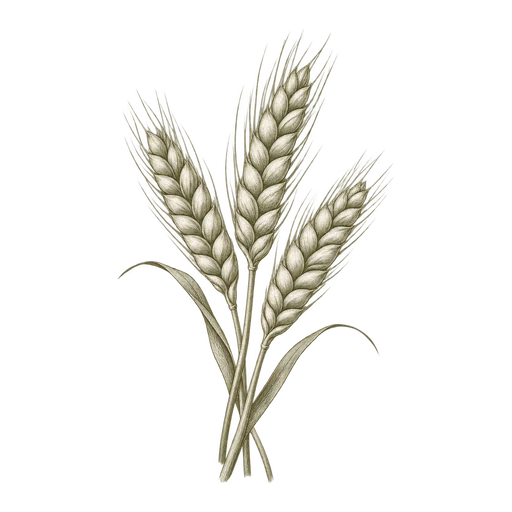
Spelt is a hulled wheat sourced as grain, dehulled kernels, flour, or separated hulls. Choose the form for the intended food or feed use, and compare lot-specific functionality or feed analysis rather than assuming all spelt is equivalent.

Explore ingredient
Dried Vegetables

Sweet Potato

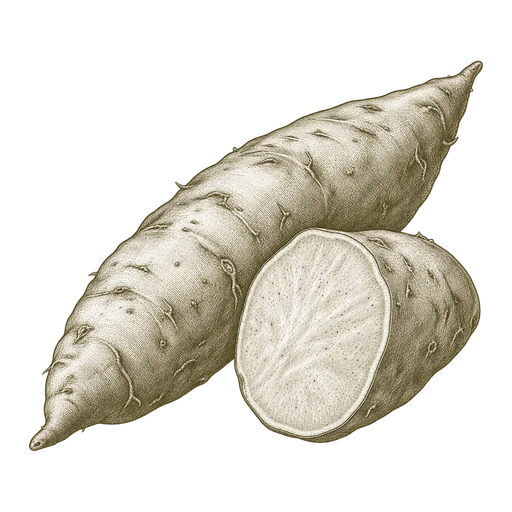
Sweet potato bulk materials include roots, vines and processing co-products. Identify the plant part, form and processing method first, then compare composition and handling needs for the intended food or feed use.

Explore ingredient
Feed Ingredients

White Millet

White millet commonly refers to white-seeded proso millet, sourced for food products, birdseed, and livestock feed. Identify the species, hull status, and processing form to match the grain to its intended use.

Explore ingredient

Different names describe different kinds of material

This collection brings together grains, a root crop and materials for a composite bird-food product—not interchangeable versions of one commodity. Spelt is a hulled wheat and contains gluten. White Millet and Red Siberian need more precise identification: common names alone do not establish millet species, variety or hull status.

Sweet Potato can refer to roots, vines or processing material. Suet Cakes Ingredients describes components for a formulated cake rather than a single standardized ingredient. In each case, clarify what the product physically is before comparing listings.

Match identity and form to the intended use

For grain, confirm species and whether you are buying whole seed, dehulled grain or flour. Spelt often needs dehulling before milling; millet hull status also affects how the grain is handled. Do not treat a millet name as proof of food-grade or feed suitability.

For sweet potato, distinguish roots from vines and ask whether the material is fresh, dried or ensiled. For suet-cake components, establish whether the fat is suet or another fat, what additions are present, and whether the intended application is wild-bird feeding.

Compare like with like when purchasing in bulk

A useful purchase comparison starts with a product description that names the material, processing state and intended application. For sweet potato, note whether any analysis is on an as-fed or dry-matter basis. For composite products, obtain the ingredient list rather than relying on a category name.

These details determine whether two offers are comparable and whether the material fits your process. Confirm lot-specific commercial terms and documentation when evaluating an offer.

Common questions.

Can Red Siberian be compared directly with White Millet?+

Not from those names alone. Confirm the botanical identity and processing form for both; common names do not establish that they are the same millet type.

Is spelt gluten-free?+

No. Spelt is a form of wheat and contains gluten.

Does Sweet Potato mean roots for feed?+

Not necessarily. The name does not distinguish roots from vines or other processing material, or establish whether the product is intended for food or feed.

Are Suet Cakes Ingredients suitable for other feed uses?+

The name alone does not establish suitability. Confirm the full formulation and intended use; materials for wild-bird cakes should not be assumed interchangeable with livestock or pet-food ingredients.

Ingredient identity · BUYER INSIGHTS

Go deeper before you source.

Focused guides to the specification, application, and delivery questions behind this ingredient.

FIELD GUIDE01Ingredient identity
Buyer’s guide

White millet bulk receiving and storage planning

Plan bulk white millet receiving around the grain form, order quantity, destination, unloading capability, and storage conditions. Align lot requirements for moisture and cleanliness before delivery.

Read this Insight
FIELD GUIDE02Ingredient identity
Buyer’s guide

Choosing white millet forms for food processing and baking

Compare whole, puffed, cracked and flour forms of white millet by how they enter food production, and treat dehulling as a separate specification for baking and processing.

Read this Insight
FIELD GUIDE03Ingredient identity
Buyer’s guide

White millet specifications: identity, hull status, and quality

White millet specifications should identify the species and clarify whether the grain is whole and hulled or dehulled. Color, cleanliness and analysis matter differently across food, birdseed and feed uses, so compare lots against requirements written for the intended application.

Read this Insight
FIELD GUIDE04Ingredient identity
Buyer’s guide

Sweet potato bulk storage and receiving for wet and dry forms

Fresh vines, wet processing residues, ensiled mixtures and dried sweet potato roots differ in moisture, preservation and handling. Match the product identity and delivery condition to your facility’s unloading and storage capabilities.

Read this Insight
FIELD GUIDE05Ingredient identity
Buyer’s guide

Sweet potato roots versus vines in feed formulations

Sweet potato roots and vines serve different roles in feed formulations. Learn what to compare in each material’s analysis before sourcing the plant part that fits your ration.

Read this Insight
FIELD GUIDE06Ingredient identity
Buyer’s guide

How to compare sweet potato feed analysis by form

Compare sweet potato feed forms on a like-for-like basis: identify the material, account for moisture, review relevant nutrient measures, and add fermentation results when evaluating silage.

Read this Insight