Grains
Alfalfa
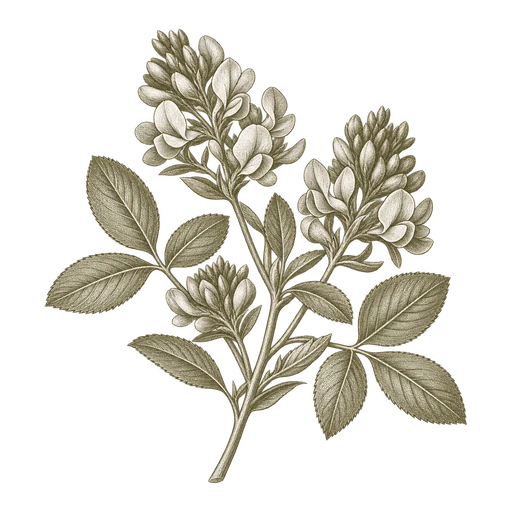
Alfalfa is a forage legume sourced as hay, silage, meal or pellets for livestock feed. Match the form to receiving and ration needs, then compare a lot-specific analysis on a consistent basis.
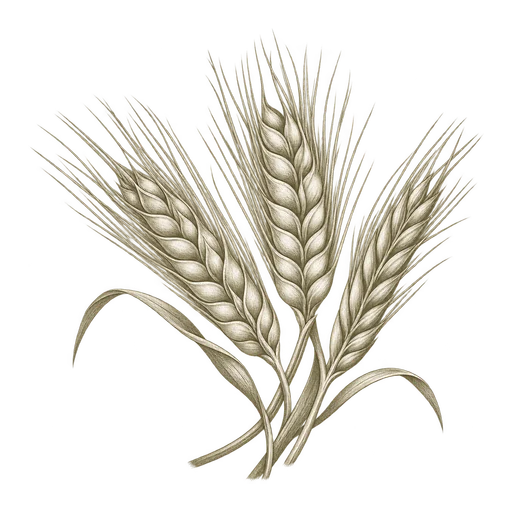
Explore ingredientPrepare a bulk rye grain order by matching the requested form and quantity to your delivery site, unloading equipment and dry, clean storage plan.
A bulk rye grain order is easier to quote and receive when the product request matches the way your facility handles grain. Before contacting a seller, identify the form you need, the quantity and unit, the delivery destination, the preferred timing and how the grain will be unloaded. These details connect the requested product to the equipment and space available at the receiving site.
Be explicit about whether you need whole grain or another form. Do not assume that a particular form, package or shipping arrangement is available: describe what your operation requires so the seller can respond to the actual request. If the grain will enter a production process, state any relevant quality or lot-document requirements at the outset.
Give the requested quantity with its unit, rather than only describing the order as “bulk.” The unit lets the seller interpret the volume consistently and prepare a quote around the amount your facility can receive. If your operation has a preferred delivery window or restrictions on receiving days, include them with the order details.
Provide the complete delivery location, including any site-specific directions or access limits that affect a vehicle’s approach or unloading. A delivery address alone may not tell a seller whether the receiving point has restricted access, limited space or a scheduled appointment process. Share those constraints before an arrangement is proposed, not after a shipment is planned.
Timing matters on both sides of the transaction: it helps the seller respond to your requested schedule and gives your team time to prepare storage capacity. Availability, timing and freight arrangements are seller-dependent and should be established for the specific order.
Describe how your facility can receive grain. For example, explain whether unloading must work with your site’s bulk handling equipment, a particular transfer point or a receiving setup that has limited access. The relevant question is not simply how rye can be shipped, but whether the proposed arrangement can be unloaded safely and efficiently at your location.
Tell the seller about practical receiving constraints, such as equipment compatibility, access limitations, operating hours and who coordinates delivery. If your site cannot accept a proposed arrangement, that mismatch can delay receipt or require a different plan. Packaging and delivery methods should be discussed for the particular offer; do not assume that a format is available before it is confirmed.
Rye grain should be protected from moisture during receiving and storage. Water intrusion or damp conditions can compromise stored grain and create quality problems, so check that the intended storage space is dry and that the receiving route will not expose grain to rain or standing water. Keep the storage area clean and prevent contact with residues or other materials that could contaminate the lot.
Plan where the grain will go before delivery, including the path from the unloading point to storage. Make sure the intended space is available and appropriate for the quantity being received, and keep it separate from materials that could introduce contamination. Specific handling requirements can depend on the offered lot and its condition, so obtain any lot-specific advice from the seller rather than relying on an assumed storage duration or limit.
A useful rye request brings the product description, quantity, destination, timing, unloading method and storage plan together. It also identifies any quality attributes or documentation your operation needs to evaluate the grain. Those details help the seller respond to your intended use and reveal receiving constraints early, before the order is finalized.
For a complete sourcing request, visit the Rye ingredient page and include your facility’s receiving requirements alongside the grain form and order quantity. Confirm the specific offer’s packaging, handling instructions and commercial terms with the seller before making final arrangements.
State the form and quantity with its unit, destination, preferred timing, unloading method and any receiving-site restrictions. Include relevant quality or documentation requirements so the seller can respond to the actual order.
Have clean, dry storage ready and plan a receiving route that protects the grain from moisture and contamination. Ask the seller for handling advice specific to the offered lot; do not assume a storage limit or shelf life.
The requested quantity, destination, timing and shipment or receiving requirements can all affect the quote. Packaging and freight arrangements are specific to the seller’s offer, so provide those details when requesting delivered pricing.
Focused guides to the specification, application, and delivery questions behind this ingredient.
Rye can contribute grain energy to poultry feed, but its soluble arabinoxylans make grain characteristics, processing and the complete ration central to formulation.
Read this InsightCompare rye grain lots by reading moisture, test weight, physical-condition fields and nutrient analysis together. Ergot is a separate, intended-use requirement—not a universal threshold.
Read this InsightAlfalfa is a forage legume sourced as hay, silage, meal or pellets for livestock feed. Match the form to receiving and ration needs, then compare a lot-specific analysis on a consistent basis.
Explore ingredientAmaranth can be sourced as grain, leaf meal or whole-plant forage, and those forms are not interchangeable in feed formulation. Specify the plant material, species and processing method, then compare lot analysis suited to the intended animal and use.
Explore ingredientBarley is a cereal grain used in cattle feed, malting, food and industrial processing. Whole and processed forms serve different needs; identify the intended use, processing state and receiving requirements when sourcing a bulk order.
Explore ingredientBrewers rice is a broken-rice milling fraction used in brewing, fermented products and animal feed. Compare broken, granulated or ground forms and review lot-specific physical and analytical details before sourcing in bulk.
Explore ingredient