Grains
Alfalfa
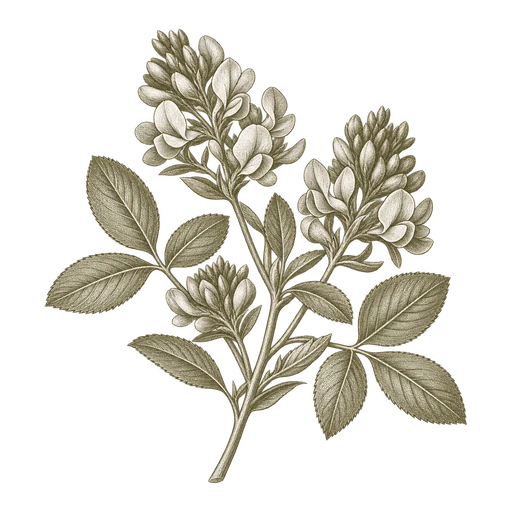
Alfalfa is a forage legume sourced as hay, silage, meal or pellets for livestock feed. Match the form to receiving and ration needs, then compare a lot-specific analysis on a consistent basis.
Explore ingredientCompare rye grain lots by reading moisture, test weight, physical-condition fields and nutrient analysis together. Ergot is a separate, intended-use requirement—not a universal threshold.
A rye grain specification helps you compare a lot with your intended use; no single number establishes overall quality or suitability. Read the fields together: moisture describes water content, test weight describes bulk density, foreign material and damaged kernels describe physical condition, nutrient analysis describes composition, and ergot status addresses a distinct contamination concern.
For a meaningful comparison, make sure the documents describe the same product form and use comparable definitions, units and analytical bases. A number without its basis or a clear definition can be misleading. Ask for the lot specification or analysis that will govern the offer, and clarify how any disputed result would be evaluated.
Moisture is the proportion of water in the grain. It matters to storage and handling because grain with more moisture can be more vulnerable to heating or spoilage if it is not managed appropriately. Compare moisture results on the same reporting basis, and consider the receiving and storage conditions at your facility. A moisture result is not, by itself, a guarantee of storage life.
Test weight is the weight of a standard volume of grain, so it provides a measure of bulk density. It can help distinguish lots with different kernel filling or bulk characteristics, but it does not directly report nutrient content, soundness, or freedom from contamination. Treat it as one quality indicator rather than a substitute for the rest of the specification.
Foreign material refers to material other than the rye kernels counted as the grain under the applicable specification. Depending on the method and contract, the definition may address such things as other crop seeds, weed seeds, chaff or other debris. The reported amount is useful only when you know what was counted and how the sample was prepared or assessed.
Damaged-kernel reporting describes kernels classed as damaged under the stated grading or inspection rules. The categories and procedures used can differ, so do not assume that two reports use identical definitions just because they use the same field name. If cleanliness or processing performance matters, ask which material is included in each category and whether the contract sets separate limits.
Nutrient analysis can help feed buyers compare rye grain for formulation, but results must be interpreted on a consistent basis. An as-fed value includes the grain’s moisture at the time of analysis; a dry-matter value adjusts out water. Comparing one lot on an as-fed basis with another on a dry-matter basis can make their nutrient levels appear different even when the underlying composition is similar.
Identify the nutrients relevant to your formulation and note the analytical method and reporting basis shown on the report. Protein, fiber and energy-related measures may be relevant, but a grain analysis does not automatically establish feed suitability for a particular species or ration. That decision also depends on the full diet and other use-specific requirements.
Ergot is not interchangeable with foreign material or damaged-kernel reporting. It is a distinct grain-contamination concern, and requirements depend on the intended use, applicable contract terms and relevant rules. Do not infer ergot status from test weight, a general grade description or an overall foreign-material result.
There is no universal ergot threshold that should be assumed for every rye purchase. Specify the end use and ask what ergot assessment or reporting is required for that transaction. Any stated limit, grade definition or testing method should be tied to the governing specification and verified for the relevant use rather than borrowed from another market or application.
When comparing bulk rye offers, put the field definitions, nutrient-analysis basis and ergot requirements alongside moisture and physical quality. Then review the Rye ingredient page to explore sourcing options and describe the requirements your application actually needs.
No. Test weight describes bulk density, not nutrient composition or feed suitability. Compare it alongside physical-condition fields, nutrient analysis on a consistent basis and requirements specific to the intended ration.
The reports may use different reporting bases, especially as-fed versus dry matter, or different methods. Check the basis and method before treating the values as a direct lot-to-lot comparison.
Do not assume a universal limit. Ergot requirements depend on intended use and governing specifications or rules. State the use and verify the applicable requirement and assessment method for the transaction.
Focused guides to the specification, application, and delivery questions behind this ingredient.
Prepare a bulk rye grain order by matching the requested form and quantity to your delivery site, unloading equipment and dry, clean storage plan.
Read this InsightRye can contribute grain energy to poultry feed, but its soluble arabinoxylans make grain characteristics, processing and the complete ration central to formulation.
Read this InsightAlfalfa is a forage legume sourced as hay, silage, meal or pellets for livestock feed. Match the form to receiving and ration needs, then compare a lot-specific analysis on a consistent basis.
Explore ingredientAmaranth can be sourced as grain, leaf meal or whole-plant forage, and those forms are not interchangeable in feed formulation. Specify the plant material, species and processing method, then compare lot analysis suited to the intended animal and use.
Explore ingredientBarley is a cereal grain used in cattle feed, malting, food and industrial processing. Whole and processed forms serve different needs; identify the intended use, processing state and receiving requirements when sourcing a bulk order.
Explore ingredientBrewers rice is a broken-rice milling fraction used in brewing, fermented products and animal feed. Compare broken, granulated or ground forms and review lot-specific physical and analytical details before sourcing in bulk.
Explore ingredient