Independent sourcing. Better connections.Commercial buyers · Bulk ingredients
tag

Rye

The Rye collection contains one listed member, Rye. The tag identifies the crop but does not specify whether an offering is grain, forage or a rye-derived material, or whether it is intended for food or feed. Bulk buyers should confirm the exact form and compare its specification and analysis with the intended use. Grade, nutritional suitability and contaminant checks address different questions; none should be inferred from the tag alone.

1 ingredients3 published Insights
EXPLORE THE COLLECTION

Rye ingredients

Grains

Rye

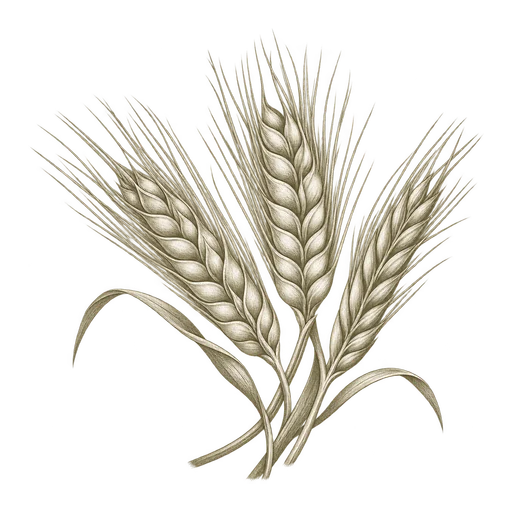
Rye grain is used in feed formulations and milled for food products such as bread flour. Whole, broken and ground forms differ in handling, while starch, soluble non-starch polysaccharides and grain condition shape how buyers evaluate rye for a specific use.

Explore ingredient

What the Rye collection covers

This collection has one listed member: Rye. The tag identifies the crop, not a particular lot, grade or processing form. Rye grain, rye forage, and rye-derived materials such as bran or distillers’ grains are distinct ingredients, so do not assume a listing covers them all.

Rye is used in human foods, including flour-based products, and as animal feed. Its role and relevant quality checks depend on the material and intended market. Confirm whether the offering is grain or another form, and whether it is intended for food, feed or another use.

Compare specifications with the intended use

For grain, grade factors can include test weight, foreign material, damaged kernels and thin rye. USDA U.S. No. 1 rye has a minimum test weight of 56.0 lb/bu, but a grade describes defined grain-quality factors; it does not establish that a lot meets every buyer’s nutritional or contaminant requirements.

For feed use, suitability depends on animal species, grain quality, processing and the ration. Rye contains soluble arabinoxylans, which can affect nutrient use in some animals, and ergot is a separate contaminant concern. Ask for an analysis suited to the intended use and clarify whether ergot testing is required, including its method and the buyer’s limit. For forage, request forage-specific measures rather than applying grain criteria.

Common questions.

Does the Rye tag tell me whether the ingredient is grain or forage?+

No. The tag names the crop, not its form. Confirm whether the offering is grain, forage, or a rye-derived material, as well as its processing and intended use.

Does U.S. No. 1 rye mean the grain is feed-safe?+

No. The grade covers defined grain-quality factors, including a minimum test weight of 56.0 lb/bu. It does not replace use-specific nutritional or contaminant requirements.

What should I ask about ergot in rye grain?+

Ask whether the lot has been tested, what method and sample basis were used, and what limit applies to your intended use. Do not treat a grain-grade definition as a universal safe-use threshold.

Can rye grain be used in animal feed?+

Yes, but its suitability depends on species, grain quality, processing and ration formulation. Feed analyses and decisions should match the animal and intended use.

Rye · BUYER INSIGHTS

Go deeper before you source.

Focused guides to the specification, application, and delivery questions behind this ingredient.