Why “raw peanut hearts” needs a precise definition
“Raw peanut hearts” is not a complete product specification. In a trade description, hearts may refer to peanut kernels removed from the shell, but the phrase alone does not establish whether the product is whole, split or broken—or whether the offer is for a separated germ fraction. Those distinctions affect what arrives and how it fits a production process.
For a conventional kernel product, describe the material as peanut kernels and state the required physical condition: whole, halves, splits, pieces or a defined mix. If the material is a separately recovered embryo or germ fraction, name it explicitly and ask the supplier to define what the term means for that offer. A kernel specification does not automatically describe a separated fraction.
Kernels and germ are different product definitions
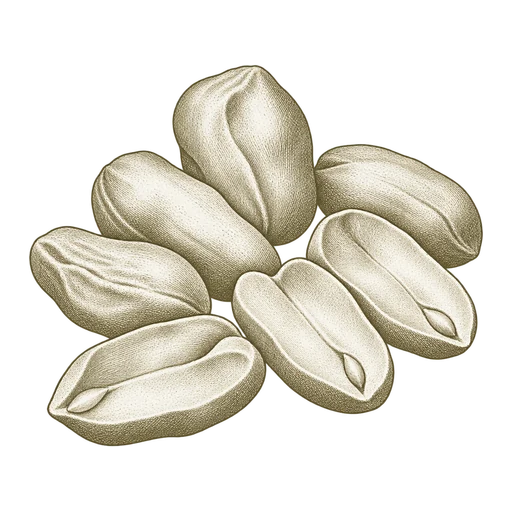
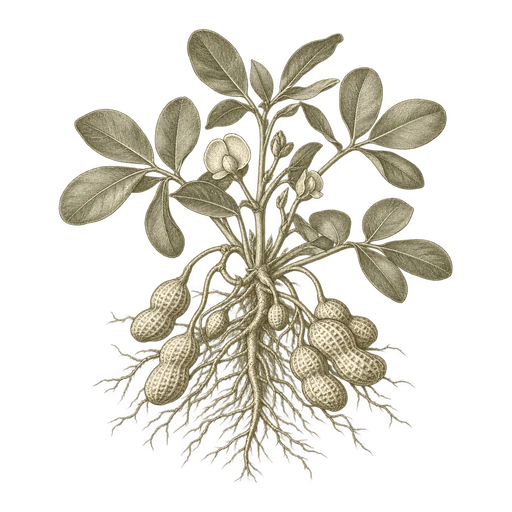
A peanut kernel is the edible seed inside the shell. It consists mainly of the two large cotyledons, with the embryo axis between them. Commercially, kernel offers can include intact kernels or pieces created during handling and processing. “Heart” may be used informally, so it is not a reliable substitute for a description of the actual fraction.
A separated germ is a distinct fraction rather than simply another name for an intact or broken kernel. If a supplier offers “peanut germ,” ask how that fraction was separated and what the lot contains. Measurements or grades developed for whole kernels may not define the composition, appearance or acceptable residual kernel material of a separate germ product. The fraction needs its own product description and relevant quality criteria.
Set processing and appearance requirements
Specify raw versus roasted. Raw identifies an unroasted product; it does not, by itself, tell you whether the kernels were blanched or whether the skins remain. State skin-on or blanched separately, since blanching removes the reddish-brown skin and changes the product’s appearance and processing history.
Describe the physical condition you need, including whether whole kernels, halves, splits and smaller pieces are acceptable. If size or piece distribution matters to sorting, portioning or a finished product’s appearance, define how it should be assessed and reported. “Hearts” without a condition requirement can leave buyers and sellers comparing different material.
Make lot quality measures comparable
Moisture and foreign material belong in the specification, but a number is meaningful only when its basis and measurement method are clear. Request the lot-specific result, the reporting basis and the method used, then compare like with like. Do not assume a standard limit from the words “raw peanut hearts”; requirements need to be stated for the intended use and agreed offer.
Also define the physical defects that matter to your process. For example, a buyer seeking intact kernels has a different concern from a manufacturer using pieces. If appearance, damaged kernels or other condition measures affect acceptance, name the measure and clarify how the lot will be assessed. For a germ fraction, use criteria that describe that fraction rather than applying kernel terminology without explanation.
Turn the description into a usable purchase specification
A comparable raw peanut hearts offer starts with the exact product identity, followed by processing and condition: kernel or separated germ; raw or roasted; skin-on or blanched; and whole, halves, splits or pieces. Add the required moisture and foreign-material criteria, any relevant defect or size requirements, and the method or basis for evaluating them.
Ask for lot-specific values and a clear description of the material being offered before comparing proposals. Include packaging, quantity and destination in the purchase request so the commercial offer addresses the same product and delivery need. For a sourcing request, the Raw Peanut Hearts page is the natural starting point; give the product definition in the inquiry rather than relying on “hearts” alone.
BEFORE YOU REQUESTYour sourcing checklist.
- Define whether the offer is for peanut kernels or a separately separated germ fraction, and ask for the supplier’s precise product definition.
- State raw or roasted, skin-on or blanched, and the required condition: whole, halves, splits, pieces or a specified mix.
- Set relevant lot-quality requirements for moisture, foreign material and physical defects; specify the reporting basis or assessment method where needed.
- Request lot-specific results and clarify which measures apply to the stated product fraction.
- Include quantity and unit, destination, packaging needs and receiving constraints when requesting a comparable offer.
Common questions.
Does “raw peanut hearts” mean whole kernels?+
Not necessarily. “Hearts” is not a precise condition or fraction description. State whether you need whole kernels, halves, splits, pieces or a separately defined germ fraction.
Are peanut kernels and peanut germ the same product?+
No. Kernel offers generally refer to edible seed material inside the shell, while a separated germ is a distinct fraction. Ask how the germ was defined and what the lot contains; whole-kernel quality measures may not define that fraction.
What should a raw peanut hearts specification include?+
Identify the fraction, raw or roasted status, skin-on or blanched condition, and physical form. Add relevant lot-specific criteria such as moisture, foreign material and physical defects, with the reporting basis or assessment method made clear.