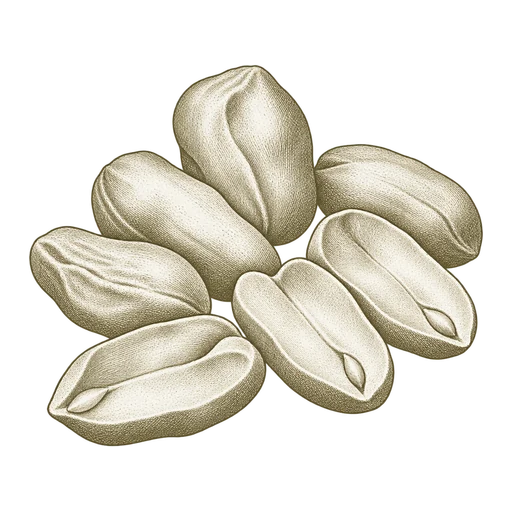
Plan the shipment around the product and receiving site
A workable bulk delivery plan for raw peanut hearts starts with the receiving site, not an assumed freight or packaging option. Before requesting a quote, define the product form, order quantity and unit, destination, desired timing, packaging needs and how the site can receive the material. These details let a broker assess the shipment against the actual order and the facility’s constraints.
Be precise about what “raw peanut hearts” means for your process. If your requirement distinguishes whole kernels from pieces or another specification, state that distinction explicitly. Form affects handling, storage space and whether the ingredient can move directly into your production process or needs further preparation.
Specify quantity, timing and destination clearly
Give the requested quantity with its unit, rather than a number without context. A clear unit helps prevent confusion when comparing offers and lets the shipment plan reflect the amount your operation can receive and store. Include the delivery destination and any site access or appointment requirements that affect receiving.
State when the material is needed and whether delivery timing has flexibility. Timing matters for coordinating receiving labor, available storage space and planned production. Do not assume a particular transit method, arrival window or freight service; those depend on the shipment details and the terms available for the specific order.
Match packaging and unloading to the receiving setup
Describe how your facility receives ingredients: for example, whether staff unload packaged goods or use equipment designed for a different receiving method. Then identify packaging needs or restrictions, such as whether containers must fit a particular storage area or move through an established internal handling system. These are requirements to communicate, not evidence that any particular package or transport option is available.
Check that the receiving team can inspect the shipment and transfer it into dry, protected storage without leaving it exposed during unloading. Consider who will be present to receive the order, where it will be staged and how it will move from the receiving point to storage. Resolving those practical details in advance reduces the chance that a delivery arrives when the site cannot handle it.
Keep raw peanut hearts dry and protect lot identity
Peanut hearts should be handled as a dry ingredient. Keep product and packaging protected from rain, washdown water, wet floors and other sources of rewetting during unloading and storage. Moisture exposure can compromise product quality, so plan the route from receiving to a dry storage area before the shipment arrives. Do not infer a shelf life or a specific temperature limit without product-specific information.
Retain the lot identification with the material as it moves into storage and through internal use. Keep lot labels or accompanying lot records associated with the corresponding product rather than combining unidentified material. This supports traceability if a quality question arises and helps ensure the ingredient used in production can be linked to its received lot.
Use a complete requirement when sourcing
A useful shipment request brings the product definition and facility plan together: form, quantity and unit, destination, timing, packaging preference, unloading method and any relevant quality or lot documentation needs. Identify site limitations early, including access, receiving hours, storage capacity and equipment compatibility. Specific information makes it easier to evaluate whether a proposed arrangement fits your operation.
For the product itself, start with the Raw Peanut Hearts page and use it to source the requirement you have defined. Packaging, freight arrangements, timing and commercial terms are specific to the offer and must be established for the particular order.
Common questions.
What information should I provide when requesting bulk raw peanut hearts?+
Specify the required form, quantity and unit, delivery destination, timing, packaging needs, receiving method and any relevant quality or lot-documentation requirements. Include site access or scheduling constraints that could affect delivery.
How should raw peanut hearts be handled after delivery?+
Move them into dry, protected storage and prevent rewetting during unloading and handling. Keep lot identification associated with the product as it is stored and used. Confirm any additional storage limits from product-specific information rather than assuming a shelf life or temperature range.
What affects the delivered price of bulk raw peanut hearts?+
The product requirement, quantity and unit, destination, packaging needs, receiving constraints and timing all affect the shipment quote. Freight options and commercial terms are order-specific, so they should be evaluated against the details of the actual delivery.