Pulses
Black Beans
Dry black beans are used in packaged foods, prepared dishes and canning. Compare whole versus broken or split composition, and assess canning performance separately when the beans will be processed.
Explore ingredientFood processing draws on distinct ingredient forms, from whole pulses and chickpea flour to nuts, grains and vegetables. Compare each against its intended process, with attention to processing state, lot-specific specifications, moisture results where relevant, and allergen controls for peanuts and cashews.
Dry black beans are used in packaged foods, prepared dishes and canning. Compare whole versus broken or split composition, and assess canning performance separately when the beans will be processed.
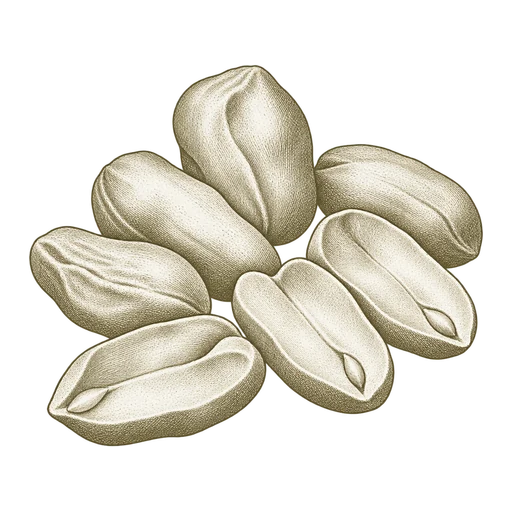
Explore ingredientBlanched peanuts are shelled kernels with the red seed coat removed, used in food processing such as peanut butter and salted peanuts. Compare kernel form, heat-treatment status, skin removal, and lot-specific quality information to match the product to your process.
Explore ingredientBulk broccoli is commonly sourced as fresh whole crowns or cut florets. Choose the form for your receiving and preparation needs, and plan quality checks and cold storage accordingly; broccoli residues intended for feed are a separate, variable material.
Explore ingredientBulk cashews are sourced as edible kernels in forms such as whole or broken, raw or roasted. Specify the exact product form and quality measures so the shipment can be compared with your food application and receiving requirements.
Explore ingredientChickpea flour is milled from chickpeas for use in breads, baked goods, tortillas, pasta, batters and other foods. Processing history and particle size affect formulation behavior, so compare those details alongside analysis and receiving requirements when sourcing in bulk.
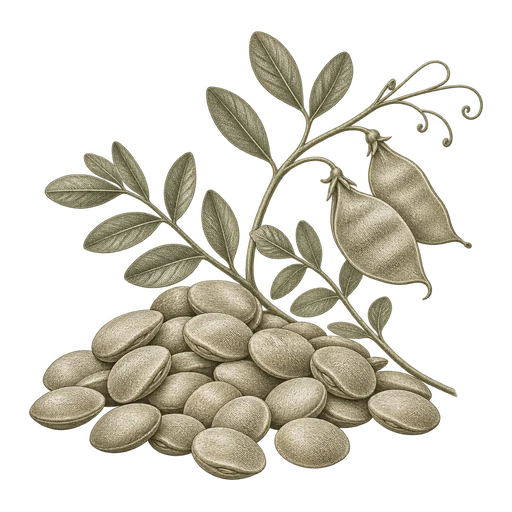
Explore ingredientGreen lentils are dry pulse seeds sold in forms such as whole, split, dehulled and flour. Compare the processing form, grade documentation, color, moisture and cleanliness against the needs of your food process or reviewed feed formulation.
Explore ingredientKidney beans are dry edible beans sold in distinct color classes and forms, from whole beans to processed meal or flour. Specify the class, form and intended use so quality measures, processing history and receiving needs can be evaluated together.
Explore ingredientLentils are pulse seeds sold as whole, split or dehulled product for food processing and, with lot-specific evaluation, some feed uses. Specify the form, type and quality measures that match your application.
Explore ingredientLima beans are sourced fresh and immature or as dry beans in Large, Baby and other classes. Compare class, whole or split form, defect expectations and intended food use when planning a bulk order.
Explore ingredientMillet covers several small-grained cereal crops used in food and feed. Compare species, whole or milled form, and lot quality details to match the grain to your process, formulation, and storage plan.
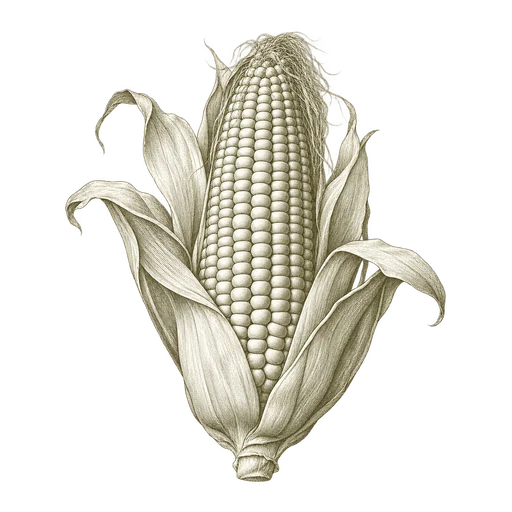
Explore ingredientPopcorn is a distinct maize type purchased as whole kernels for popping or as an already-popped food ingredient. For bulk food use, match the form to your process and compare kernel moisture, popping performance and integrity against your requirements.
Explore ingredientRaw peanut hearts is an ambiguous trade description: it can refer to the peanut embryo or be used without clearly distinguishing it from intact kernels. Define the exact form, processing condition and lot quality before comparing bulk offers or matching the product to a food process.
Explore ingredientRed lentils are sold whole, split, or split and dehulled for food processing and, where appropriate, feed use. Compare the physical form and quality factors such as moisture, foreign material, damage and color to match the order to its intended use.
Explore ingredientBulk spinach is sourced as fresh leaves or dried, ground leaf, and those forms have different uses and handling needs. Fresh spinach for processing is judged by condition and cleanliness; dried leaf requires product-specific composition and storage information.
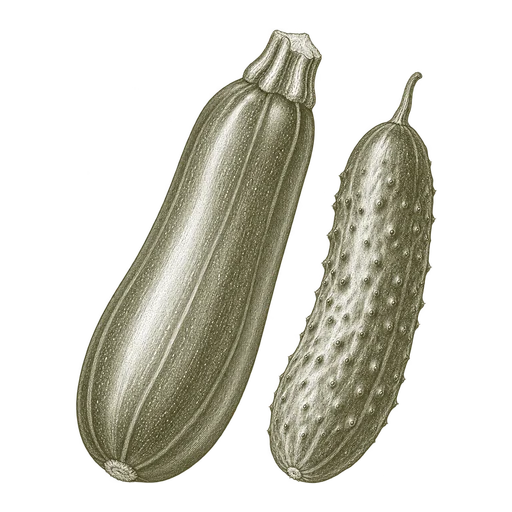
Explore ingredientZucchini is an immature summer squash used in human-food products as fresh fruit, frozen or canned slices, and dried pieces. Choose the form, maturity or cut, and handling requirements to fit the recipe and receiving setup.
Explore ingredientFood processing brings together ingredients with different identities and behaviors. This collection includes whole pulses such as Black Beans and Green Lentils, milled Chickpea Flour, Millet and Popcorn, nuts and kernels such as Cashews and Raw Peanut Hearts, and vegetables including Broccoli, Spinach and Zucchini. Their appearance together does not make them interchangeable or establish a particular processing state.
Confirm the actual form before comparing offers: for example, whole or split pulses, flour particle size, nut kernel condition, and whether vegetables are fresh, frozen or dried. The ingredient name alone does not confirm whether it has been cooked, blanched, roasted or otherwise treated.
Define acceptance criteria around the ingredient and its intended use. For pulses, buyers can specify identity, size or grade basis, moisture, foreign material and damaged kernels. For flour, nuts and vegetables, establish relevant form, composition or particle size, defect limits, sensory attributes and any process-specific requirements. These are specification topics to agree on, not universal limits for every product.
For beans and lentils, ask whether an applicable grade inspection or quality-factor analysis is available, and which factors it covers. A grade does not by itself establish performance in a finished product. Moisture results are also more useful when the test method and sample basis are clear; one moisture target should not be applied across this varied collection.
Compare current specifications and lot-specific test or inspection results where available, along with sampling methods, traceability and a clear description of processing state. Peanuts and cashews require particular attention to allergen declarations and cross-contact controls; ask what applies to the specific ingredient and facility. Confirm storage and shelf-life guidance for the actual form and packaging rather than assuming one regime suits pulses, nuts and vegetables alike.
No. Pulses, flour, grains, nuts, popcorn and vegetables differ in form and processing behavior. Qualify each ingredient against its own process and product requirements.
Ask whether an applicable grade inspection or factor analysis is available and what it evaluates. Do not assume every ingredient has a grade or that grade alone covers your process needs.
Review the current specification, processing-state description, applicable lot test or inspection results, sampling method, traceability details and allergen or cross-contact information.
No. Verify the intended market, processing history, relevant food-safety controls and lot documentation; the collection label does not establish suitability.
Focused guides to the specification, application, and delivery questions behind this ingredient.
Storage planning for bulk millet depends on form: intact grain calls for measured moisture and mold prevention, while wholemeal flour also needs protection from conditions that encourage rancidity.
Read this InsightWhole and ground pearl millet differ in particle form, handling and how they fit into a poultry feed system. Compare the required form and current lot analysis within the complete ration; feeding results from one set of grain and bird conditions are not universal formulation rules.
Read this InsightCompare millet by species first, then evaluate the lot’s moisture, foreign material, kernel condition and physical form against requirements set for its intended use.
Read this InsightA practical receiving and storage guide for bulk dry lima beans, covering the difference from fresh immature beans, packaging and unloading fit, inspection for pests and mold, and moisture-aware storage planning.
Read this InsightA practical guide to describing dry Baby Lima beans for canning by class, physical condition, desired pack appearance and process documentation—without treating a general use description as a process guarantee.
Read this InsightUnderstand the difference between dry lima bean class and grade, and specify whole, broken or split condition and defect criteria without assuming unstated tolerances.
Read this Insight